What If Everyone Was Wrong About Why Your Child Won’t Read?
Meet the hero I wrote because my own kids needed one. A child who struggles to read is not a child who struggles to think.
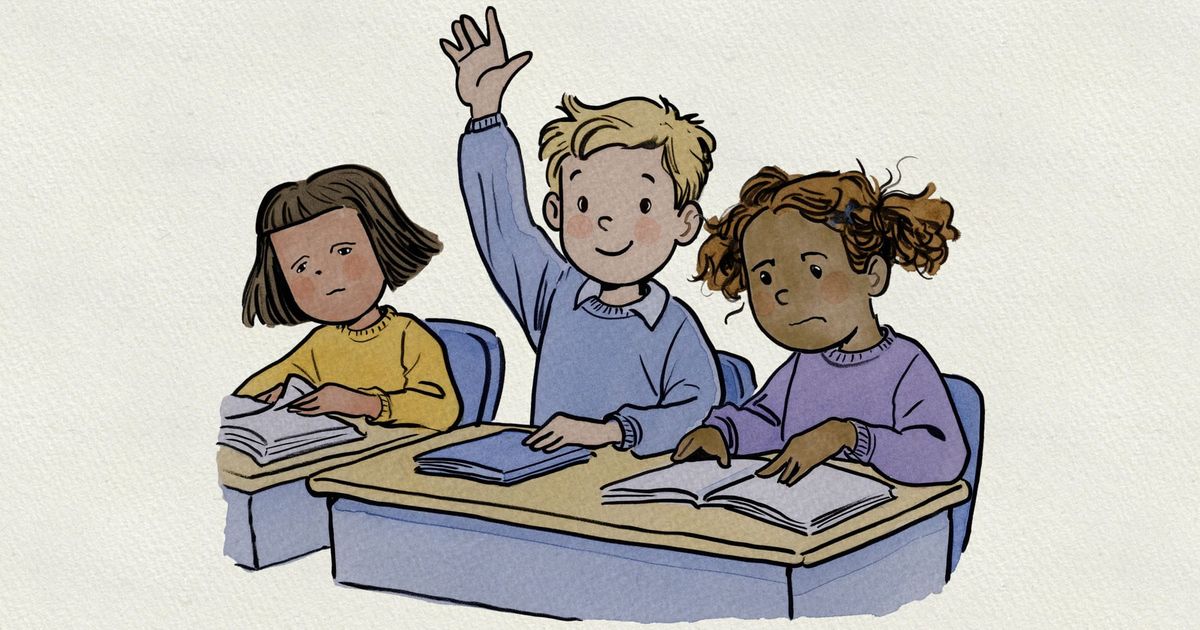
My kids struggled to read. They struggled to talk. They struggled to show their teachers what they knew. More than once, someone standing in front of me — a teacher, a specialist, a well-meaning relative — implied the problem was effort. I watched my kids think circles around problems they could not explain out loud. and I knew that was not true. I just didn't know how to explain what I was seeing.

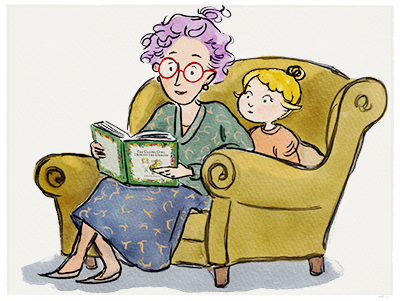
How Do You Build Confidence in a Kid Who’s Been Told They’re Not Smart?
Here is the distinction that changed how I saw my own children: a child who struggles to read is not a child who struggles to think. Those are two different problems, and school does not always make the difference clear.
Why Clever Was Never About Being Right First
- Fairy tales have always been about the kid nobody believed in. That is not something I invented. It is why these stories have lasted this long.
- Confidence carries a struggling reader further than correctness does. A kid who believes they are capable keeps trying. A kid who believes they are stupid stops.
- Kids show what they know in more ways than talking or reading. Watch how they solve a problem in play, not just how they perform in school.
- You do not need a teaching degree to see this in your own child. I am not a teacher either. I am a writer and an illustrator who paid attention.
Start Looking for This Today
Start noticing evidence of thinking that has nothing to do with reading: the plan your child makes before they act, the workaround they invent when the first idea fails, the detail they remember that you missed. That is thinking. Reading comes from a different part of the process, and it comes later for some kids than others.
Meet the Girl Who Wins by Paying Attention
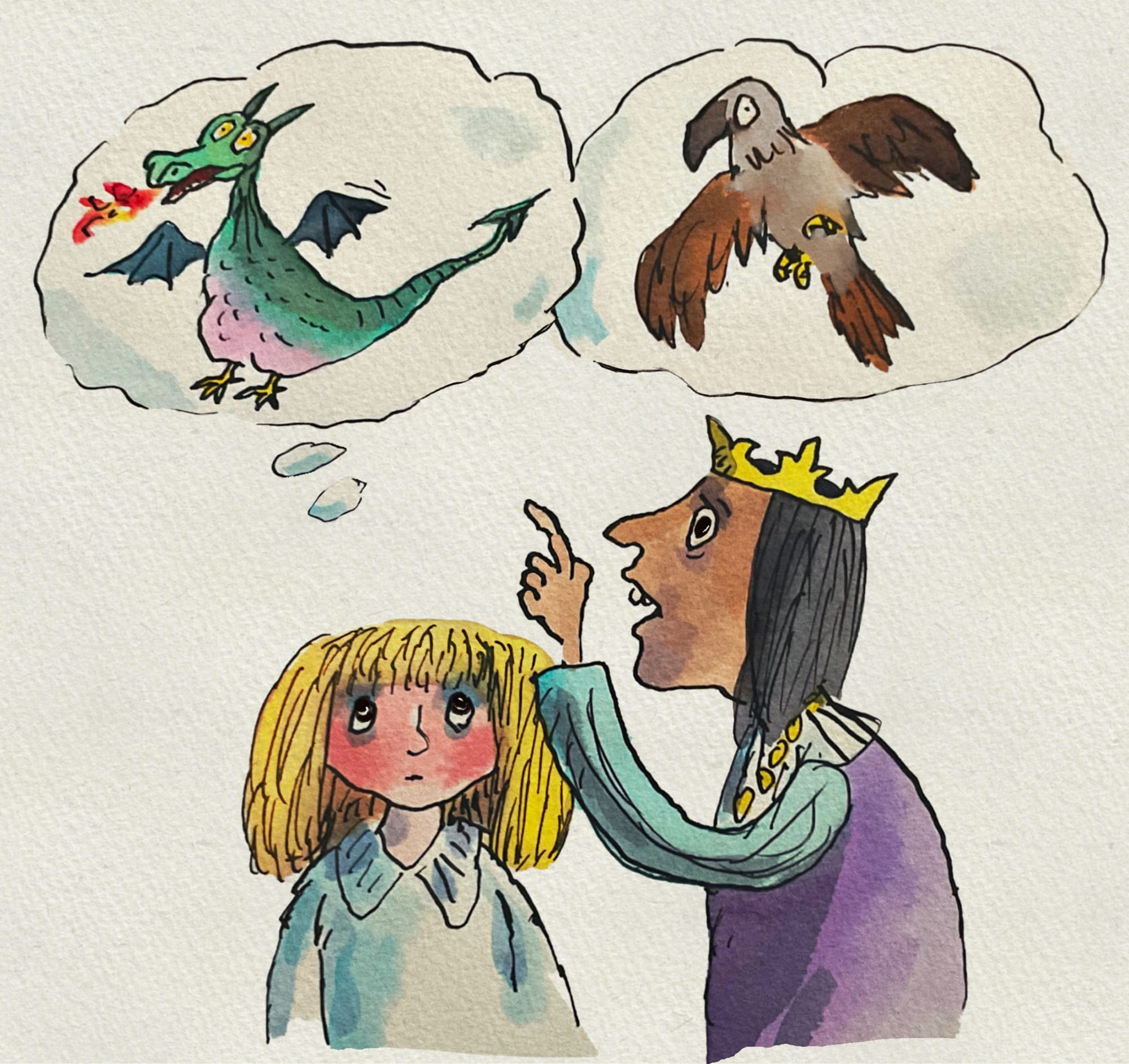
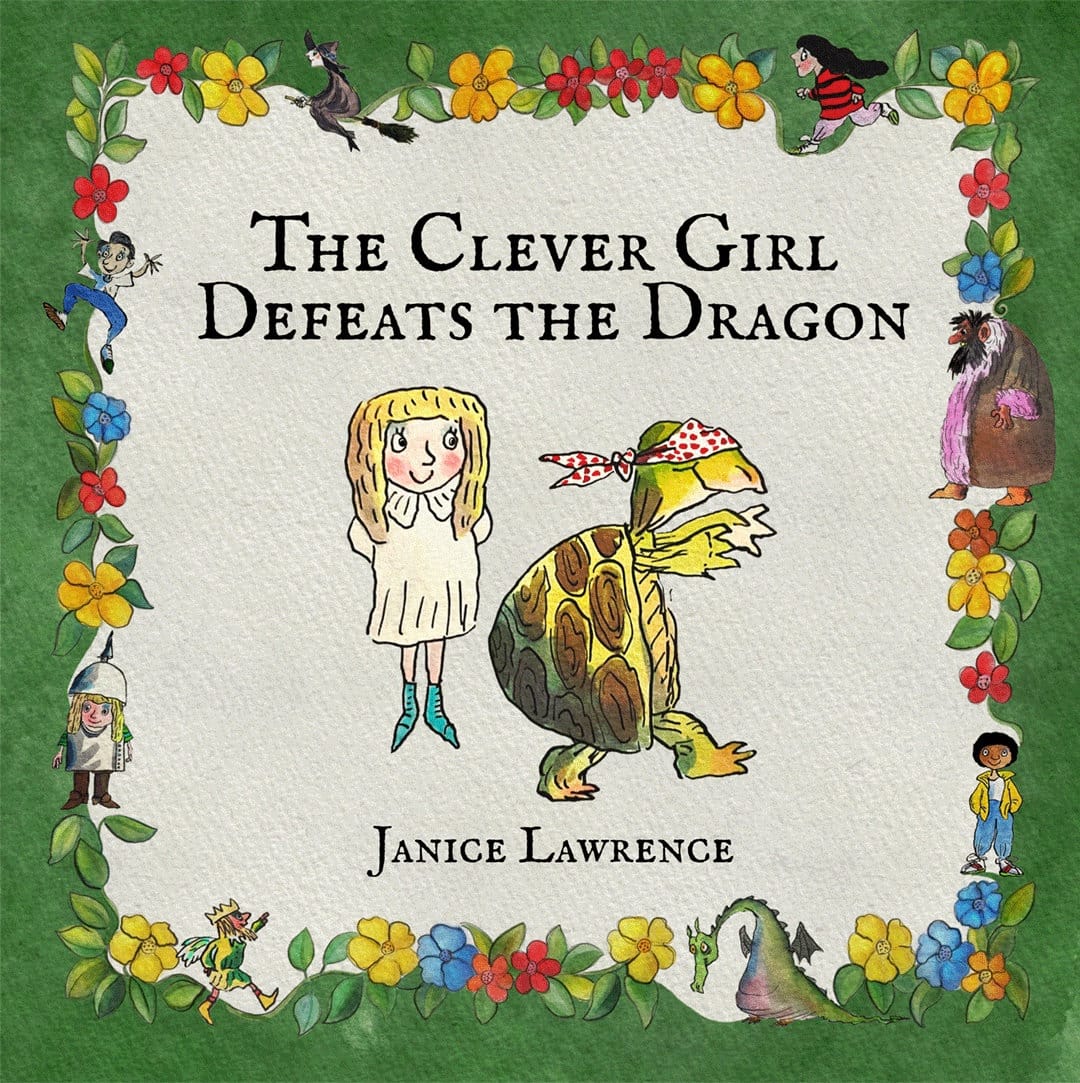
The Clever Girl is the kind of hero I wanted my daughter to meet. Someone who wins because she notices what everyone else misses. She is not the strongest. She is not the fastest. She does not have magical powers. She pays attention.
The Clever Girl Defeats the Dragon is the first of four stories about her. She wins every time by paying attention, not by being saved.
Today’s Free Activity: Make a Dragon Puppet!
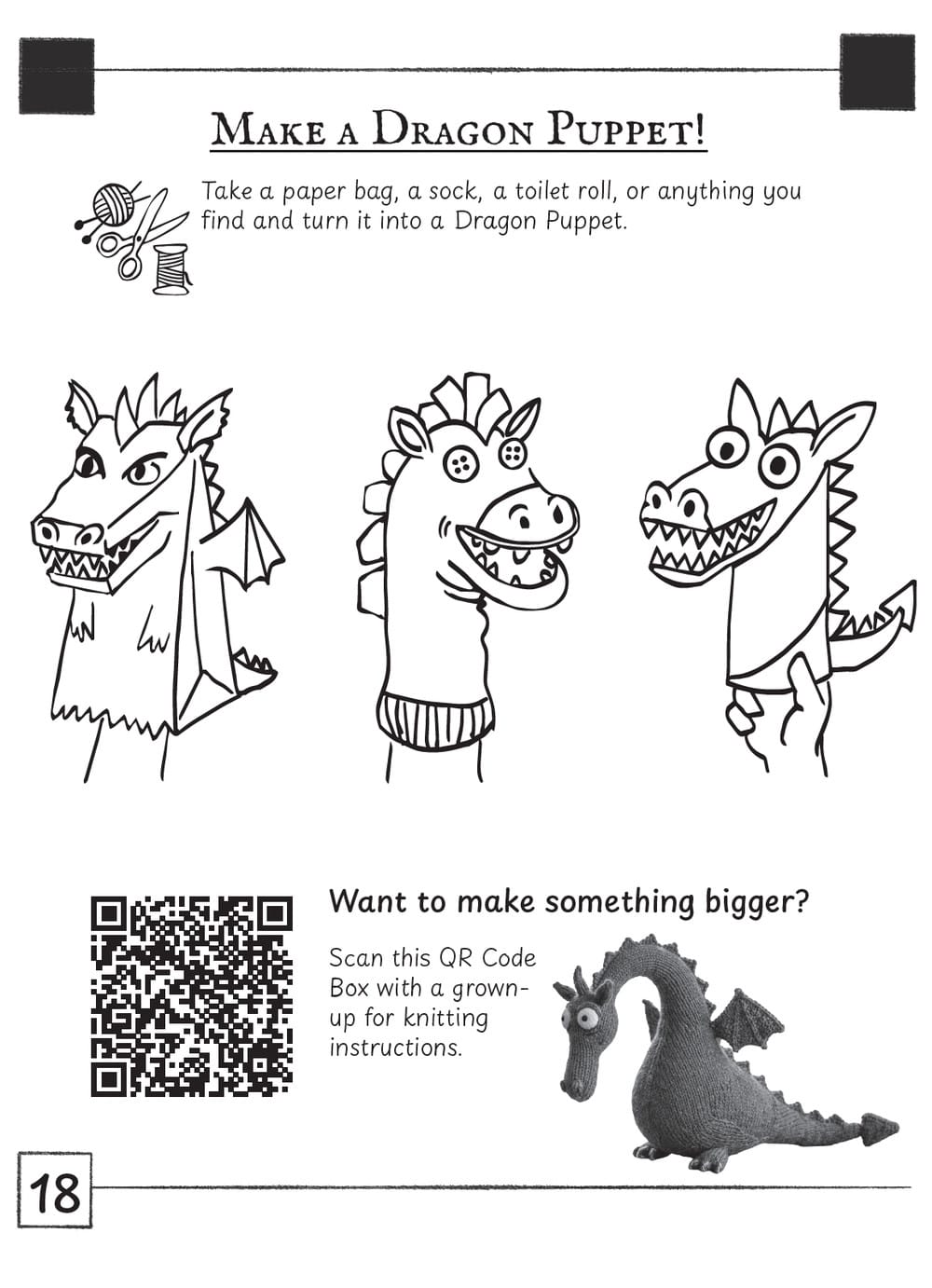
A simple craft from a paper bag, a sock, a toilet roll, or a glove, turned into the Dragon from the story. No pattern to follow exactly, no wrong way to build it.
What your child chooses to give the puppet — teeth, wings, a face, a voice — is its own kind of thinking. Once it is finished, ask it what it says the moment it first sees the Clever Girl.
This activity can expand into a project for a child and their favorite grown-up who knits. The printable has a QR code that leads to instructions for a dragon puppet exactly like the one in the book. Those instructions live behind the subscription paywall. But if you found them through this post, they are a gift. Give us your email and we will send them to you, free.
Does This Sound Like Your Child?
This activity helps all kids turn a story character into something they can build and control. It is especially good for children who have:
- ADHD — kids who are easily distracted, get restless mid-task, and respond impulsively. A craft with a real object at the end gives that energy somewhere to go, and something to hold onto when it is finished.
- Low Confidence — kids who give up early or avoid anything with a wrong way to do it. A sock, a paper bag, a toilet roll: there is no correct dragon, so every design decision is automatically the right one.
- Expressive Language Delays — kids who understand plenty but struggle to produce it in words. Deciding what the puppet looks like, and what it says when it first meets the Clever Girl, are complete answers on their own.
- Visual Learner — kids with strong picture memory who take instruction better from seeing than hearing. Here they invent the visual instead of just receiving one.
Why a Story Isn’t Enough, and Why It’s Still Everything
- The Clever Girl does not win with strength. She wins because she notices things other people miss. That is a deliberate choice, not a coincidence. My kids needed to see a hero who counted the way they were already smart.
- A story like this does not fix a reading struggle by itself. But it hands a child one hour where clever and cannot-read-yet are not in competition with each other.
Try It This Week
- Download Make a Dragon Puppet! and build it together. No craft skills required.
- Watch the story if you have not yet — it is linked above.
- Let your child name the puppet and decide what it is afraid of. That is still the activity working, even off the page.