What If Story Time Didn’t Depend on Reading at All?
Help the child who hates reading before the book even opens. A read-along takes decoding out of the room and lets the story win first.
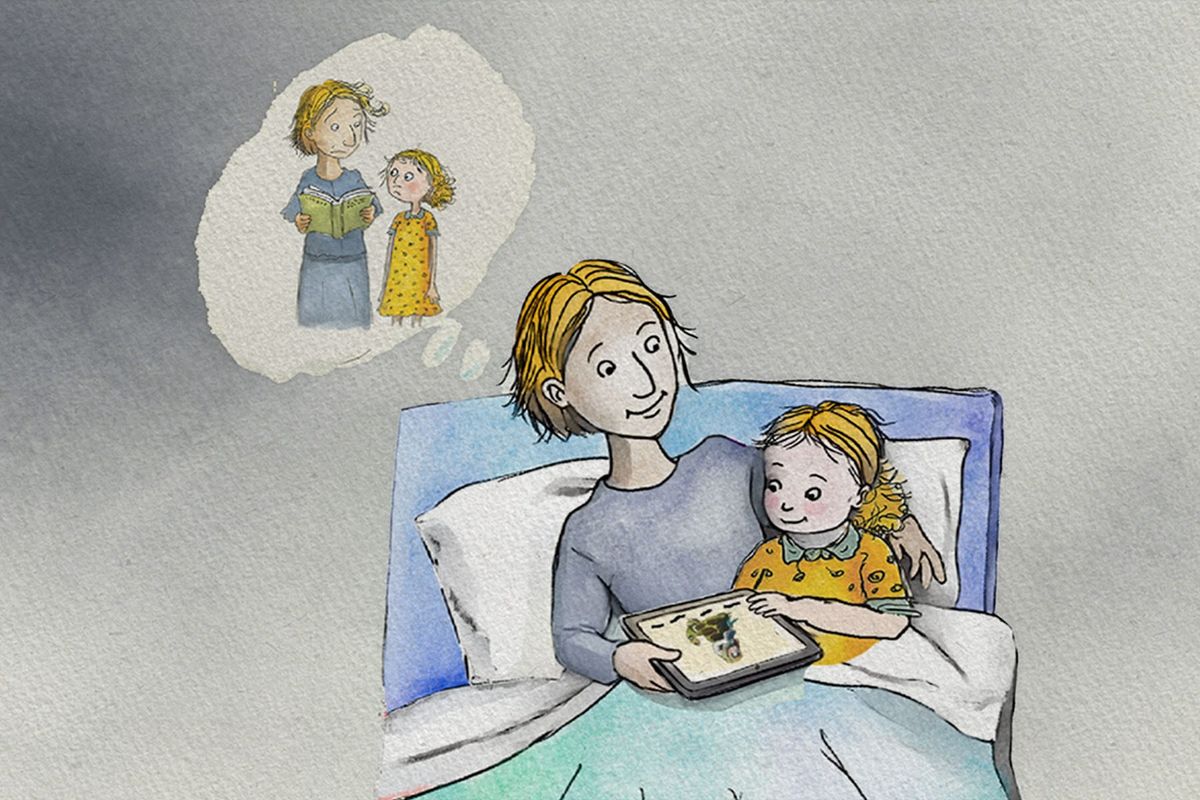
Story time can turn into a fight fast — not because your child doesn’t like stories, but because the words get in the way before the story ever does. There’s a way to let the story win first.
What a Read-Along Does for a Reluctant Reader
Some children fall in love with stories long before they fall in love with reading. A read-along video makes that possible. It does one simple thing. It takes decoding out of the room. Your child follows the pictures, the voice, and the pacing, and the story gets to do its job — no sounding out required.

Why Falling in Love With a Story Comes Before Reading It
- Kids can love a story before they can read it. The plot, the suspense, the jokes all land through picture and voice alone.
- Watching removes the performance pressure of reading aloud. No stumbling over a word in front of you — just the story.
- It’s rehearsal, not a shortcut. A child who already knows a story well has a real head start when they read it on the page later.
- It gives you something to talk about, not something to grade. A shared video turns into conversation, not a test.
This Week’s Story
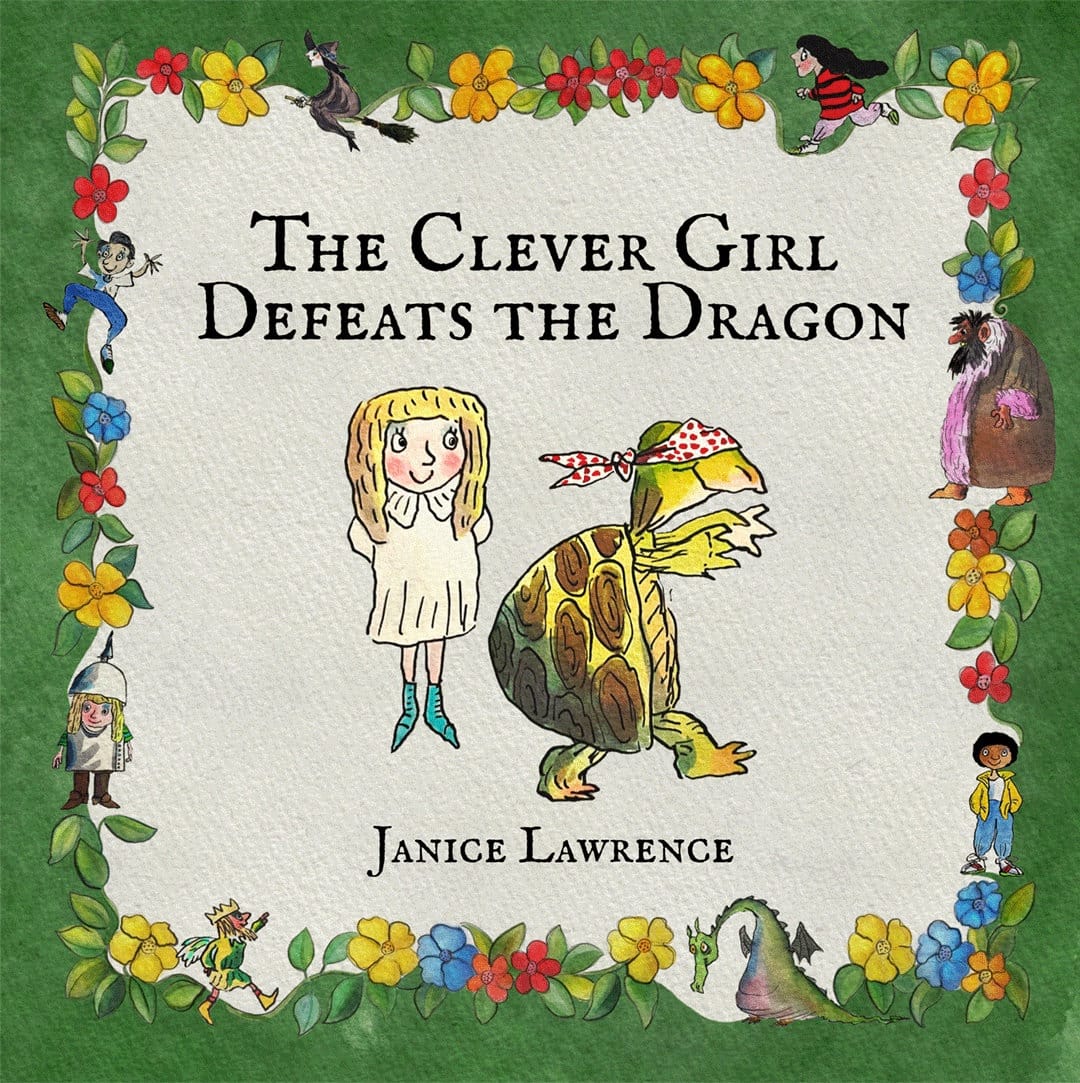
Every fairy tale invites us into a different way of thinking. This week’s read-along is The Clever Girl Defeats the Dragon, one of four illustrated fairy tales in my Clever Girl series.
She sets out to save her father, sits down on a rock that turns out to be a grumpy tortoise, and ends up facing a dragon who can turn into anything he likes. She is not the strongest thing in the story. She is the one paying attention.
Watch It Together
Watch it together at least once before you talk about it. Then ask one or two questions that look forward, not back.
- “What do you think the tortoise is feeling when she sits on him?”
- “Why do you think the dragon shows off instead of just fighting her?”
- “If you were the Clever Girl, what would you have asked the dragon to turn into?”
Today’s Free Activity: The Shape-Shifting Game
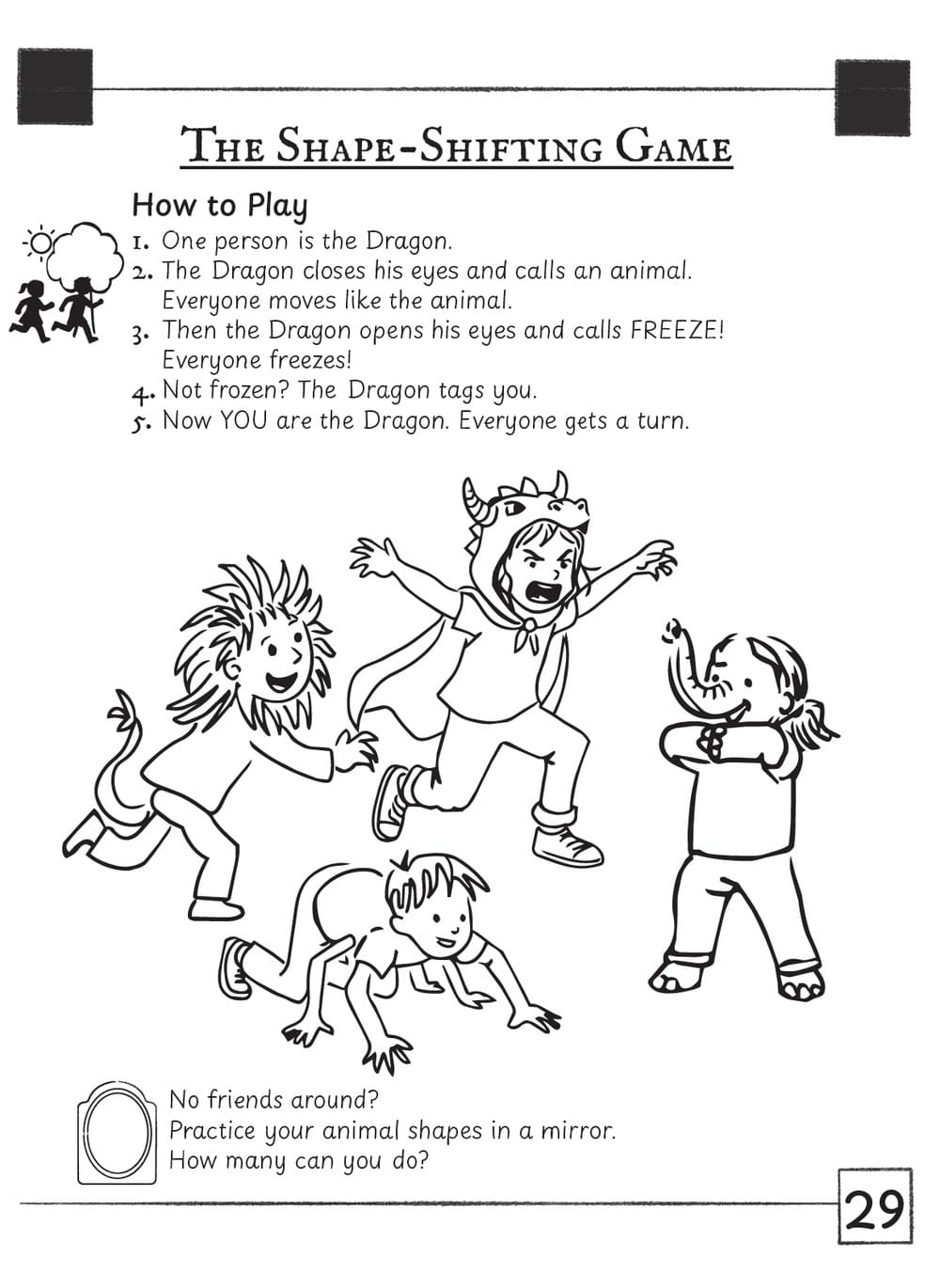
An outdoor freeze-and-tag game. One player is the Dragon and calls out an animal; everyone moves like that animal until the Dragon calls FREEZE. Anyone still moving gets tagged, and becomes the new Dragon. Play until everyone has had a turn.
Works indoors or out, ten to fifteen minutes. There is a solo version on the page too — practicing animal shapes in a mirror — for a day with no one else around.
Does This Sound Like Your Child?
This activity helps all kids practice imaginative play, reading other people, and knowing when to stop and hold still, all at once. It is especially good for children who have:
- Autism Spectrum — kids who do better with a clear, repeatable rule than with open-ended pretend play. Call an animal, freeze as that animal. The rule never changes round to round.
- Low Confidence — kids who avoid games they are sure to lose. There is no reading and nothing to memorize, and everyone gets a turn at the hardest job.
- Expressive Language Delays — kids who understand instructions fine but struggle to answer out loud. The whole game is physical. Nothing in it asks for a spoken answer.
- Social Delays — kids who find group games hard to enter. Reading the Dragon and the other players, and getting tagged into the lead role, is real social practice disguised as a chase game.
Why This Matters More Than the Words Do
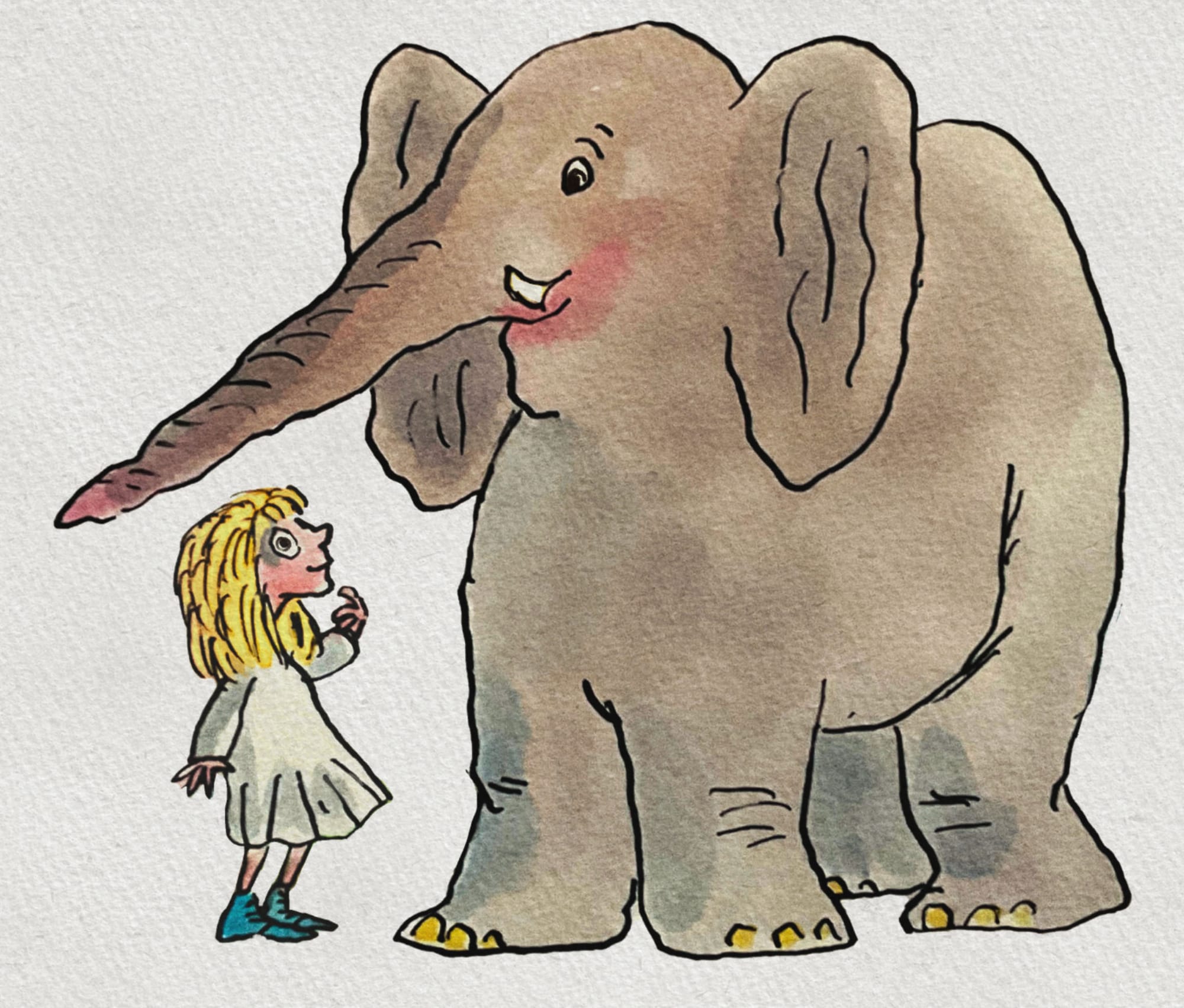
- A child does not have to be a fluent reader to fall in love with a story. That love is what keeps them coming back to books later, long after the decoding gets easier.
- Playing the story out loud does something reading alone cannot yet. It lets your child be the Clever Girl for a minute, not just hear about her.
Try It This Week
- Watch the read-along together.
- Ask one forward-looking question, not a full debrief.
- Download The Shape-Shifting Game and play it outside.
And if your child wants to watch it three times in a row, congratulations. The story is doing exactly what stories are supposed to do.