What If the Thing That Was Taken Became the Way Back?
Sometimes the smallest thing in a story turns out to be the most important.
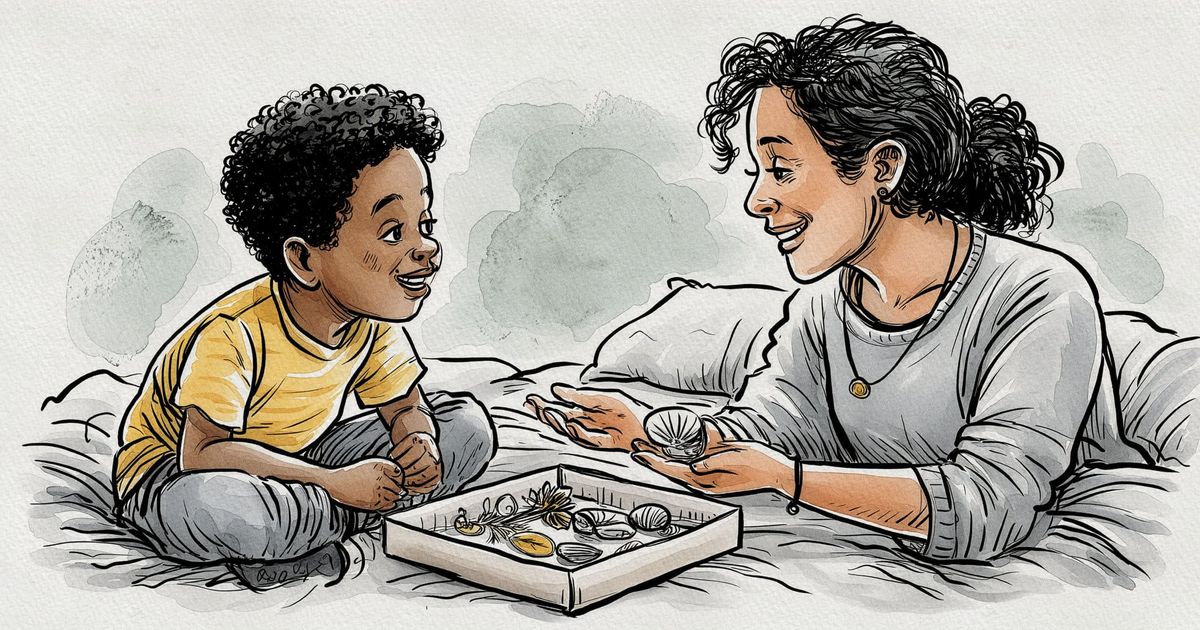
Your child comes home with a pebble in their pocket. Or a ribbon from a birthday present, or a shell picked up during a walk. You may see something that belongs in the trash. Your child sees something worth keeping.
Children can become attached to objects that seem unimportant to the rest of us. Sometimes it’s because the object reminds them of something. Sometimes it’s because they can imagine doing something with it. And sometimes they simply like it, which is reason enough.
In this week’s story, the Brave Girl puts something in her pocket that most people would have left behind. It becomes important in ways neither she nor the reader could have anticipated.
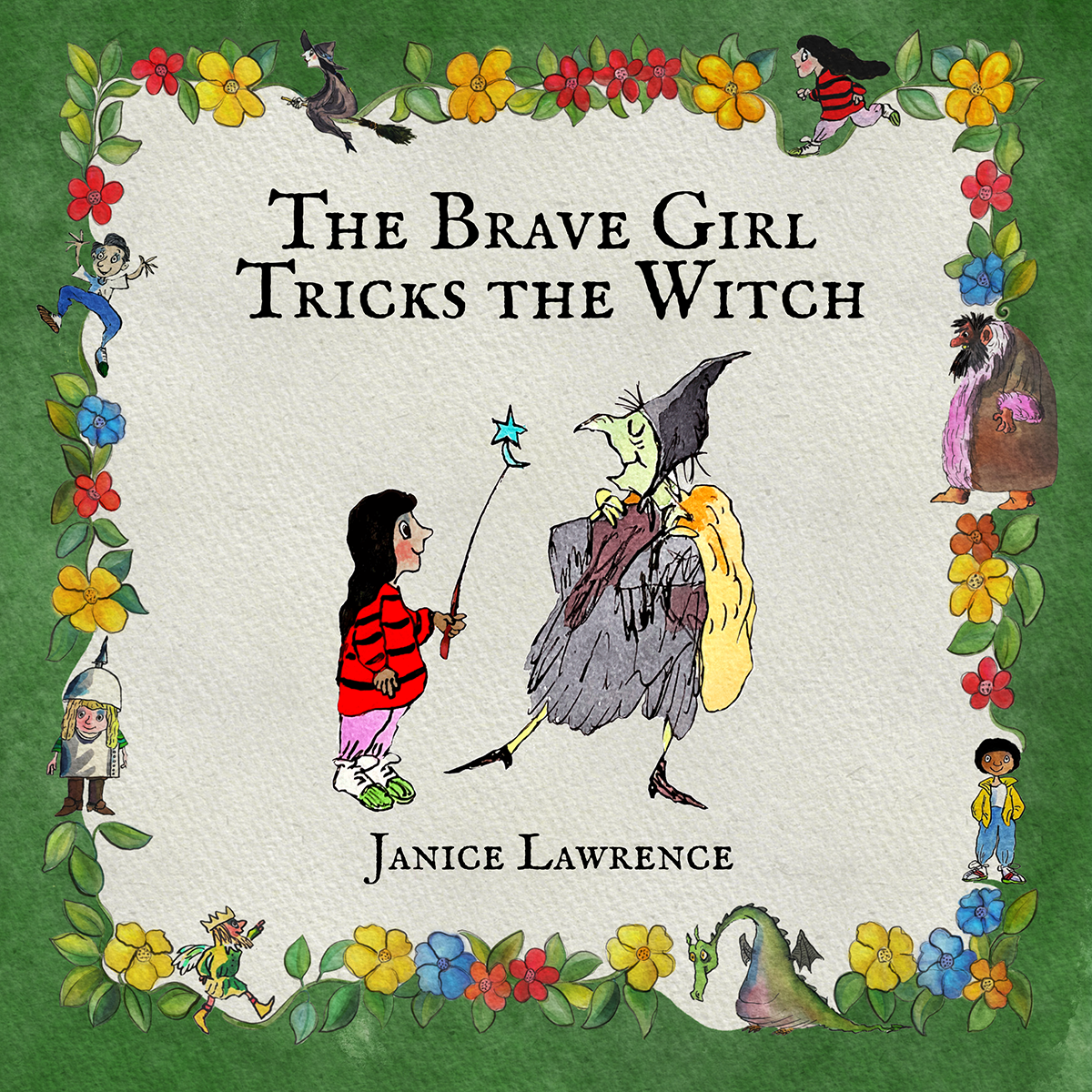
This Week’s Story: The Brave Girl Tricks the Witch
The Brave Girl Tricks the Witch begins with two sisters who love each other very much. But their stepmother is jealous of the beautiful sister, so one night she sneaks into the girls’ bedroom and cuts off the beautiful girl’s hair. Their father sends the girls away, telling the Brave Girl to protect her sister and make their fortune in the world.
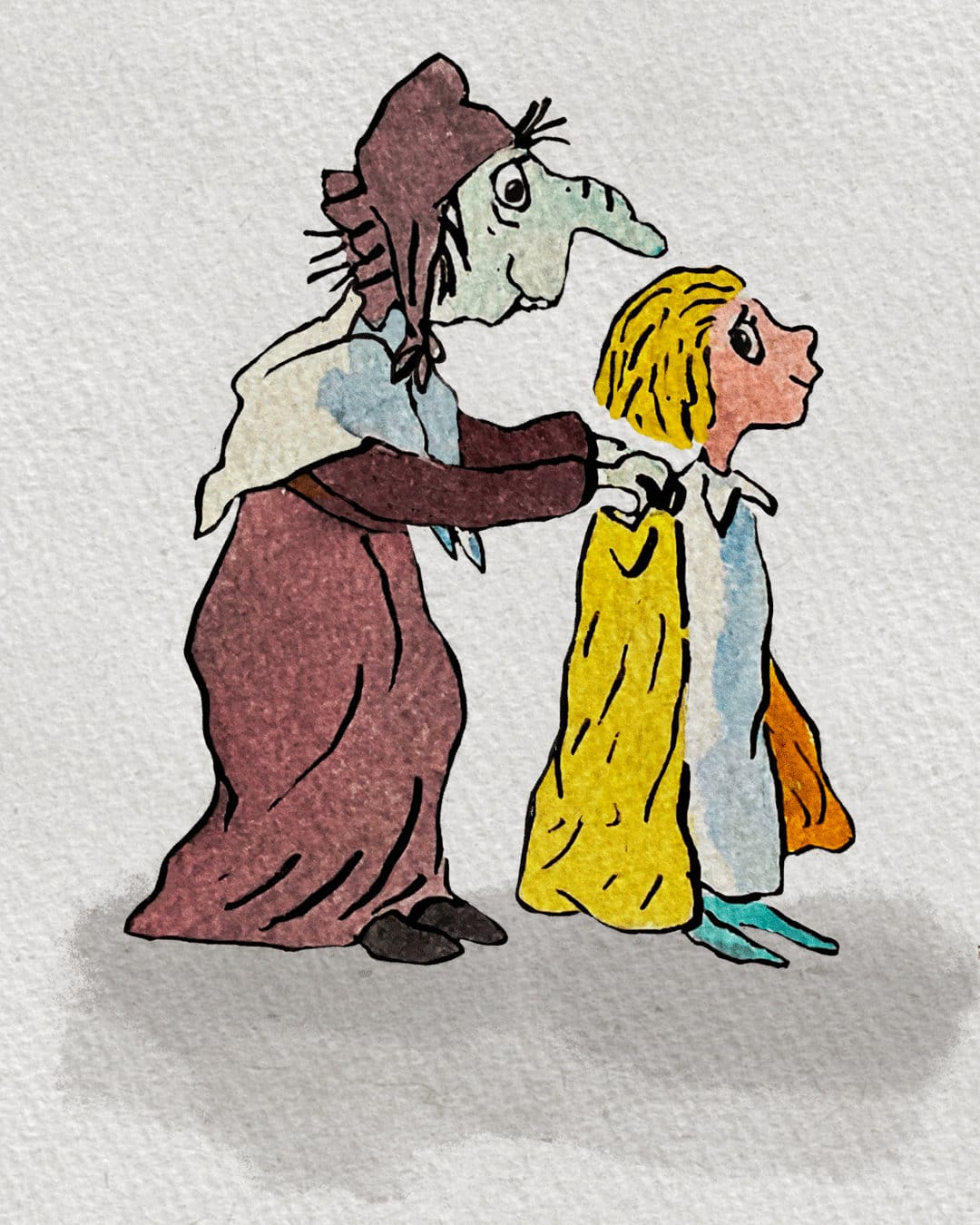
The Brave Girl takes something with her that connects the sisters to what happened at home. Along the way, an act of kindness gives that object a new purpose. Later, it becomes important again, this time in a way that helps the Brave Girl face a dangerous witch.
I won’t tell you how she manages it. That’s part of the fun of watching the story together.
But there’s something worth noticing as you watch. An object that appears early in the story takes on different meanings as the adventure unfolds. What begins as evidence of something cruel becomes a source of comfort, and eventually provides an opportunity the Brave Girl can use.
Four Things to Talk About
Watch the whole read-along together first. Then choose one or two questions that interest your child. You don’t need to turn story time into a test.
“Why do you think the Brave Girl kept her sister’s hair?” The story doesn’t tell us her reason. Your child’s answer reveals what they understand about the sisters’ relationship.
“What did the kind old woman do with the hair?” This invites your child to remember how an object was given a new purpose and why that mattered to the sisters.
“Why do you think the witch wanted the cloak so badly?” Now your child has to think about what the witch wants and how that desire might affect her decisions.
“What might have happened if the Brave Girl had left the hair behind?” This asks your child to imagine how one different choice near the beginning could affect the rest of the adventure.
Listen for the connections your child makes. Can they explain why something happened, or how one event made another possible? Those explanations show you how they’re learning to understand a story, not just remember it.
Why Predicting Matters
One of the things children learn as they become better at understanding stories is that events are connected. Something that happens at the beginning may help explain what happens much later. An object that seems unimportant may turn out to have a purpose. A character’s earlier behavior may help us anticipate what they will do next.
Recognizing those connections helps children make predictions. They use what they remember, combine it with new information, and begin working out what might happen. When the story surprises them, they have a reason to look back and reconsider what they thought they knew.
This is an important part of reading comprehension. Children who can recognize relationships between events are better able to follow a complicated story, understand why characters make decisions, and explain how one event leads to another. They aren’t simply remembering separate pieces of information. They’re learning to put those pieces together.
And the benefits extend beyond reading. A child who can connect what happened before with what is happening now has more information to use when making decisions. They may recognize that a familiar approach could solve a new problem, anticipate a consequence, or remember something useful that they might otherwise have overlooked.
Stories give children a safe place to practice making those connections. They can watch what happens, make predictions, discover whether they were right, and reconsider their ideas without worrying about making a mistake.
Today’s Free Activity: The Road to Good Fortune
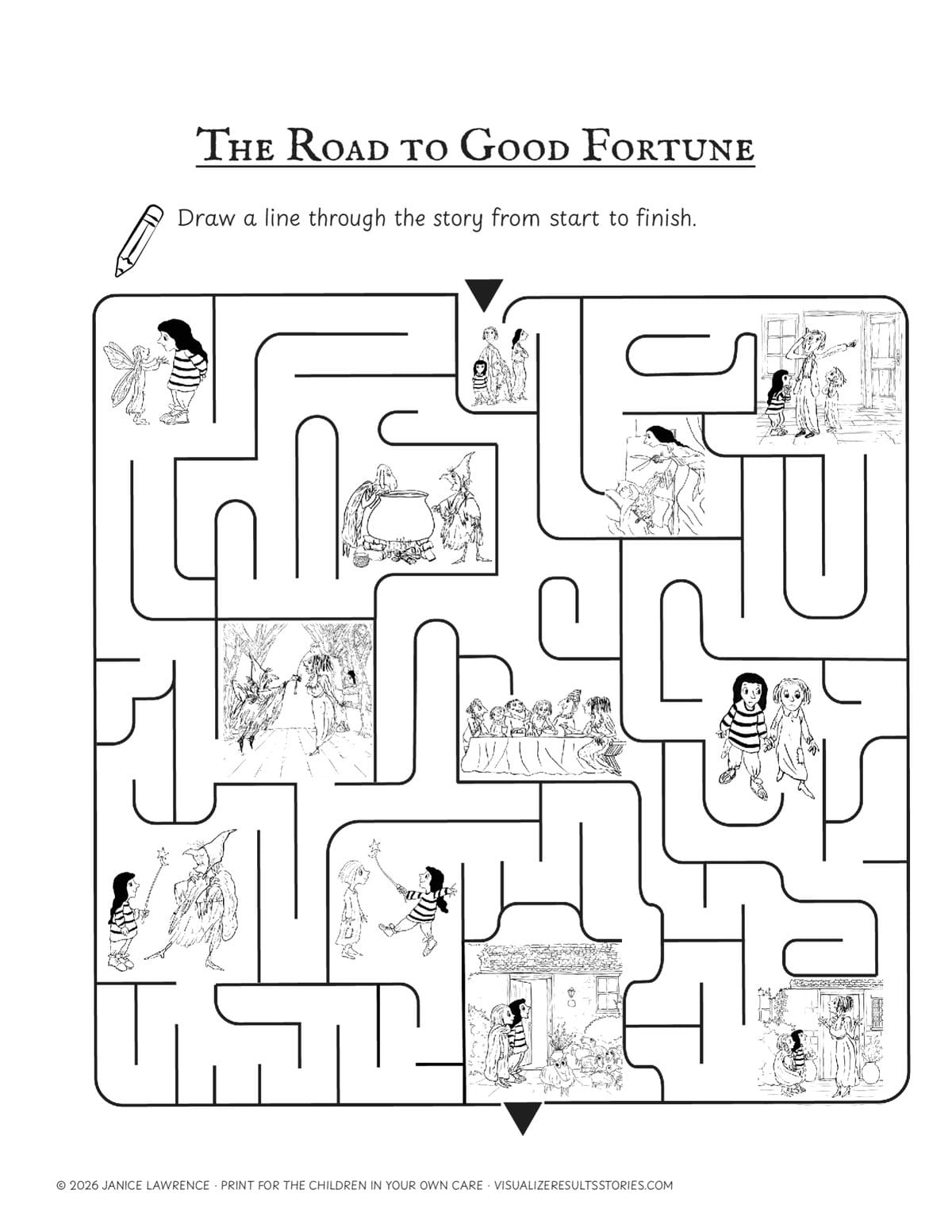
The Road to Good Fortune is a maze with twelve illustrations from The Brave Girl Tricks the Witch, beginning with the sisters’ family and ending with their new home. As your child finds a route through the maze, they practice looking ahead, predicting where a path might lead, and using what they learn from a dead end to make another choice. The illustrations also provide a visual record of the story, helping children remember events and recognize how they are connected. This builds skills they can use when following a story, planning what to do next, and solving everyday problems. Notice whether your child looks ahead before choosing a path and whether they can use the pictures to explain how something that happened earlier became important later.
Does This Sound Like Your Child?
This activity may be especially helpful if your child:
- Remembers parts of a story but has trouble putting them together. The illustrations help them see how separate events form a connected adventure.
- Enjoys puzzles more than answering questions. The maze gives them a way to practice planning and predicting without having to explain every decision.
- Gets frustrated when something doesn’t work. A dead end gives them useful information and another opportunity to choose a path.
- Notices small details that other people overlook. The story gives them an opportunity to discover why something that appeared unimportant may matter later.
Try It This Week
- Follow an object through a story. Choose something that appears near the beginning and ask your child to notice when it appears again. Does it have the same purpose each time?
- Connect an old experience to a new problem. When your child is trying to figure something out, ask, “Have you done something like this before? What worked last time?”
- Ask about something they’ve saved. If your child has a collection of small treasures, choose one and ask where it came from and why they wanted to keep it. You may discover a story you didn’t know they remembered.