How Do You Help a Child Keep Going When Something Is Hard?
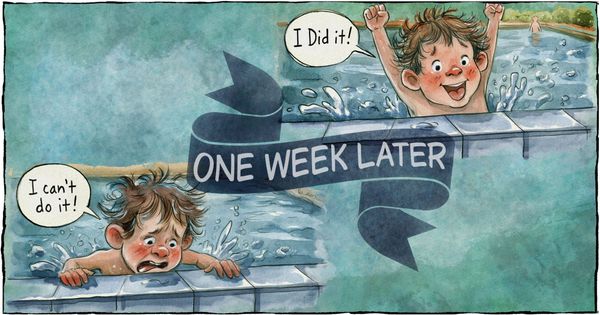
This story shows two different kinds of persistence.
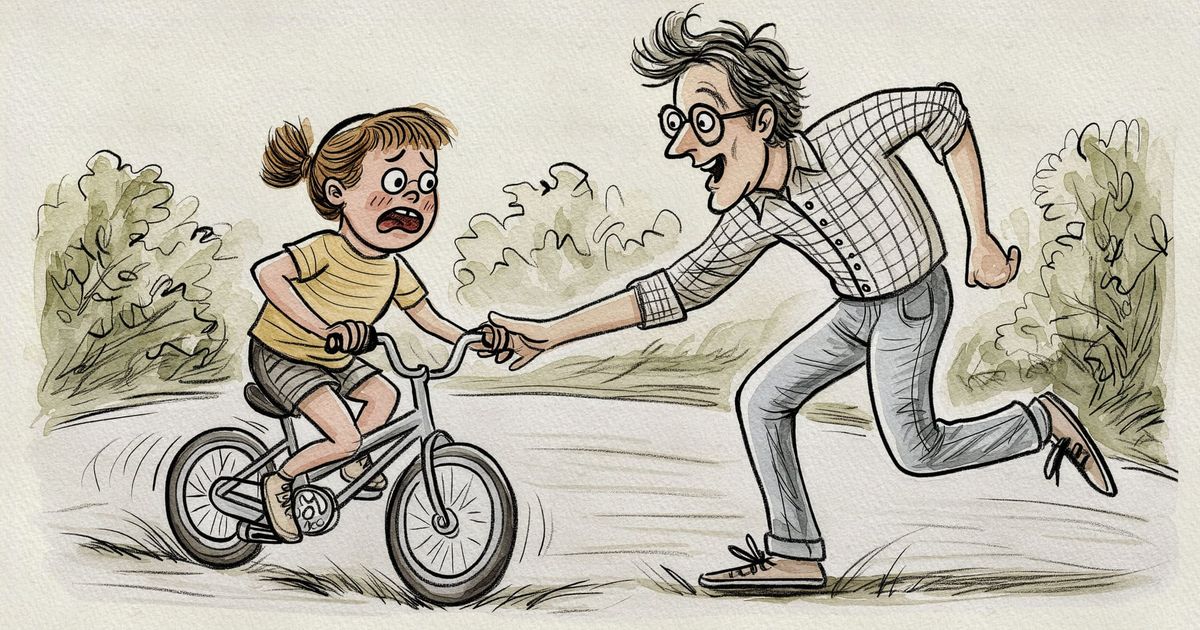
Your child is learning something difficult, and it has been going on for a long time. You are tired of encouraging, and they are tired of being encouraged. You’ve tried explaining, demonstrating, and practicing together, but progress seems painfully slow.
Sometimes the hardest part of learning something new isn’t understanding what to do. It’s finding the patience to keep working when the results don’t come quickly. Other times, the difficulty arrives all at once, and a child has to decide whether to try again or give up.
This week’s story has both kinds of hard.
This Week’s Story: The Brave Girl Defeats the Fairy King
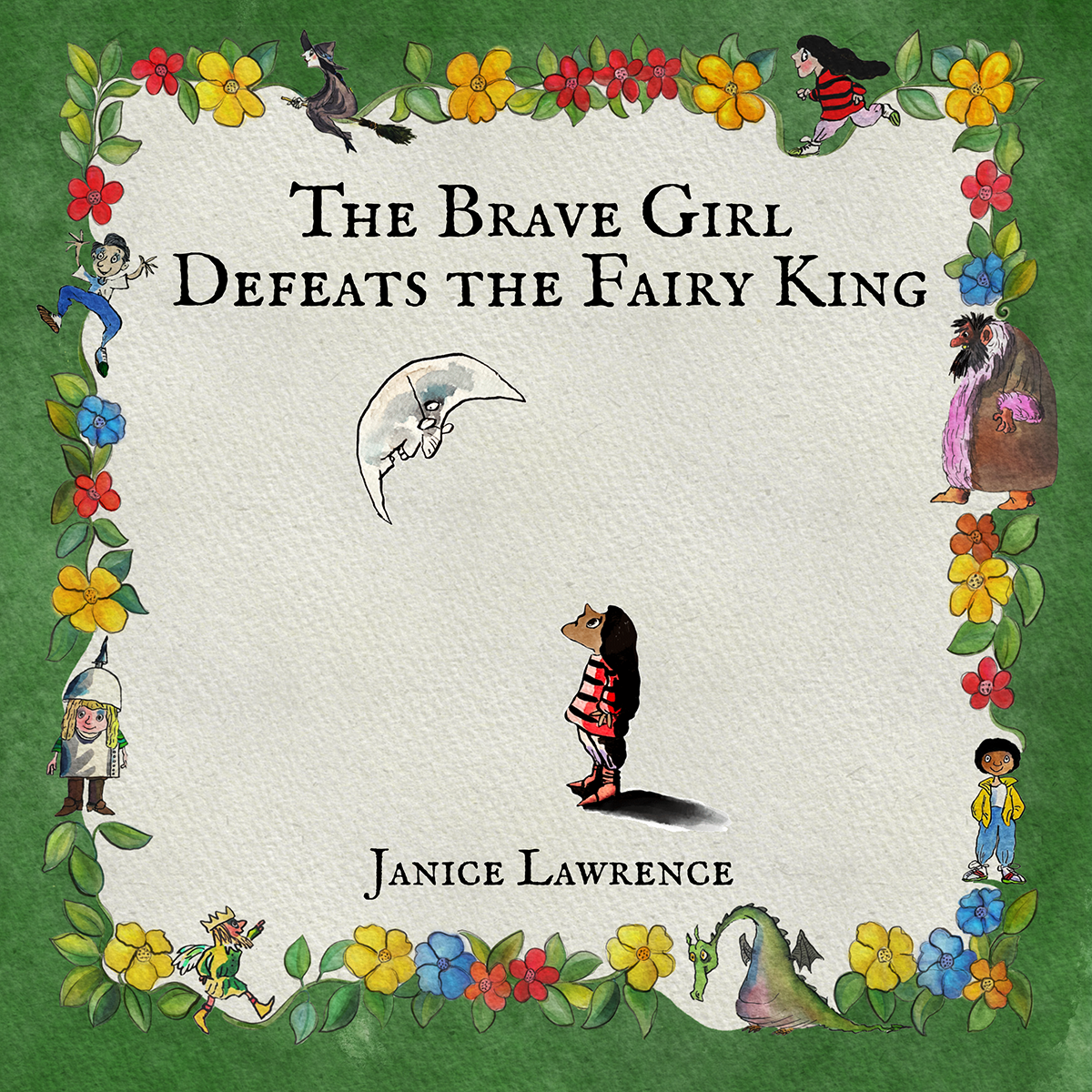
In The Brave Girl Defeats the Fairy King, the King of the Fairies steals the Brave Girl’s sister and carries her away to his kingdom at the edge of the world.
The Brave Girl sets out to find her. She travels far and wide, asking everyone she meets if they have seen her sister. Summer turns to winter and winter back to summer again, but she keeps searching.
At last, the moon tells her where she can find her sister and how to rescue her. The instructions are simple, but following them will require a different kind of courage. She must hold on to her sister no matter what happens.
The Brave Girl has already shown that she can keep going when something takes a long time. Now she must discover whether she can keep going when something becomes frightening.
Four Things to Talk About
Watch the whole story together first. Then choose one or two questions that interest your child. The goal is a conversation, not a quiz.
“Which was harder, searching for her sister or holding on through the spells?” One challenge lasts a long time. The other is frightening and intense. Listen to which kind of difficulty your child recognizes.
“What do you think kept the Brave Girl from letting go?” Your child may remember the moon’s instructions, the long search, or how much the sisters love each other. Ask what makes them think so.
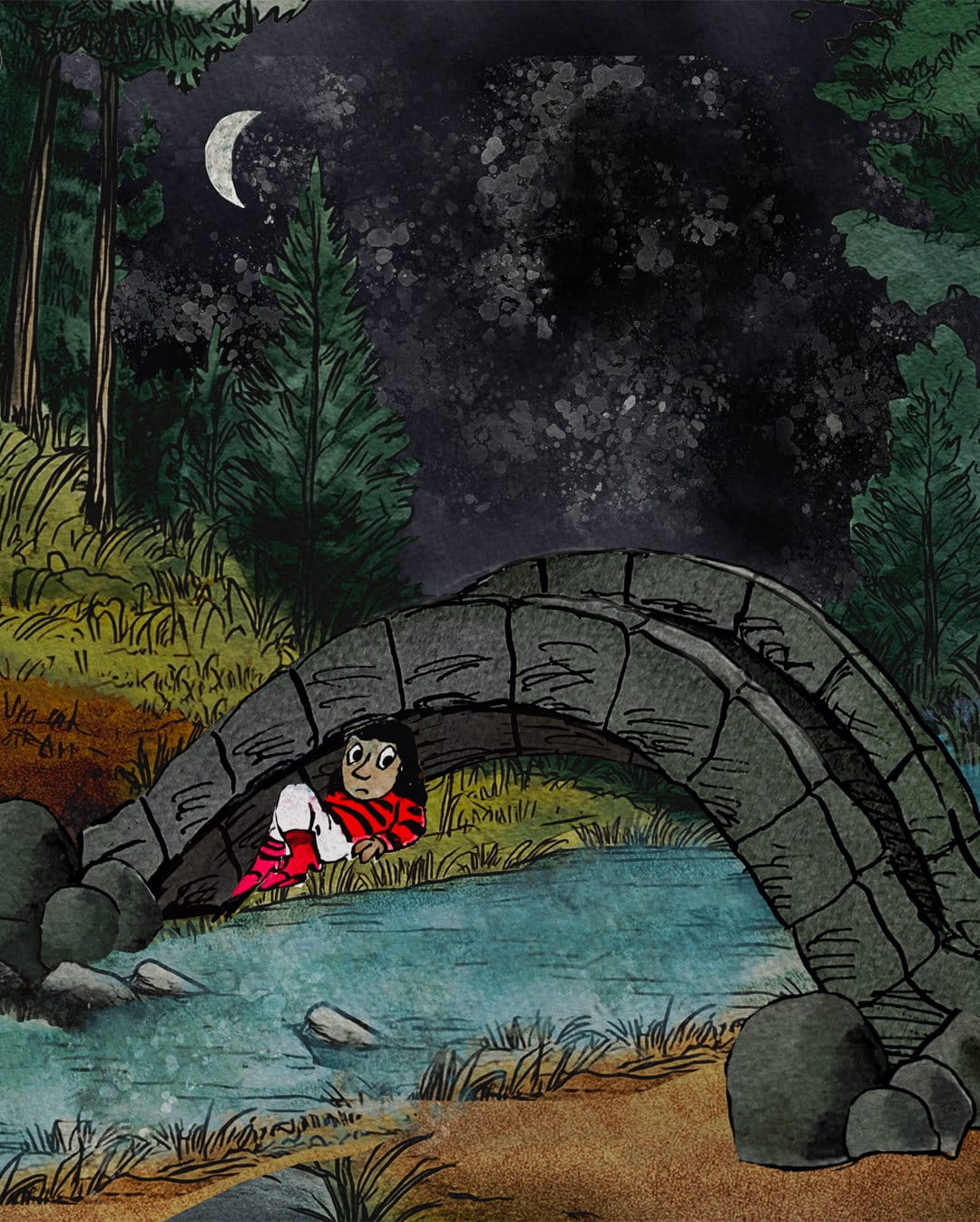
“How do you think the Brave Girl felt while she waited under the bridge?” She was alone in the dark on Halloween night, waiting for the fairy horses. She might have felt frightened, hopeful, or both.
“What would you have done when the fire came?” The Brave Girl finds a way to save herself and her sister. Your child may imagine a different solution.
Why Predicting Matters
When children make predictions, they use what they already know to think about what might happen next. They remember earlier events, recognize patterns, and consider the consequences of different choices.
In this story, children know that the Brave Girl has spent a year searching for her sister. They also know the moon has told her to hold on no matter what happens. That gives them reasons to predict what she might do when the fairies try to frighten her.
Asking children to explain their predictions helps them practice using evidence rather than guessing. It also gives them a chance to recognize when new information changes what they thought would happen.
The same thinking helps children solve problems outside of stories. Before trying something, they can consider what might happen. If their first approach doesn’t work, they can use what they’ve learned to choose another.
Persistence isn’t simply repeating the same action until it succeeds. Sometimes it means recognizing that a different approach might work better.
Today’s Free Activity: The Road to a New Home
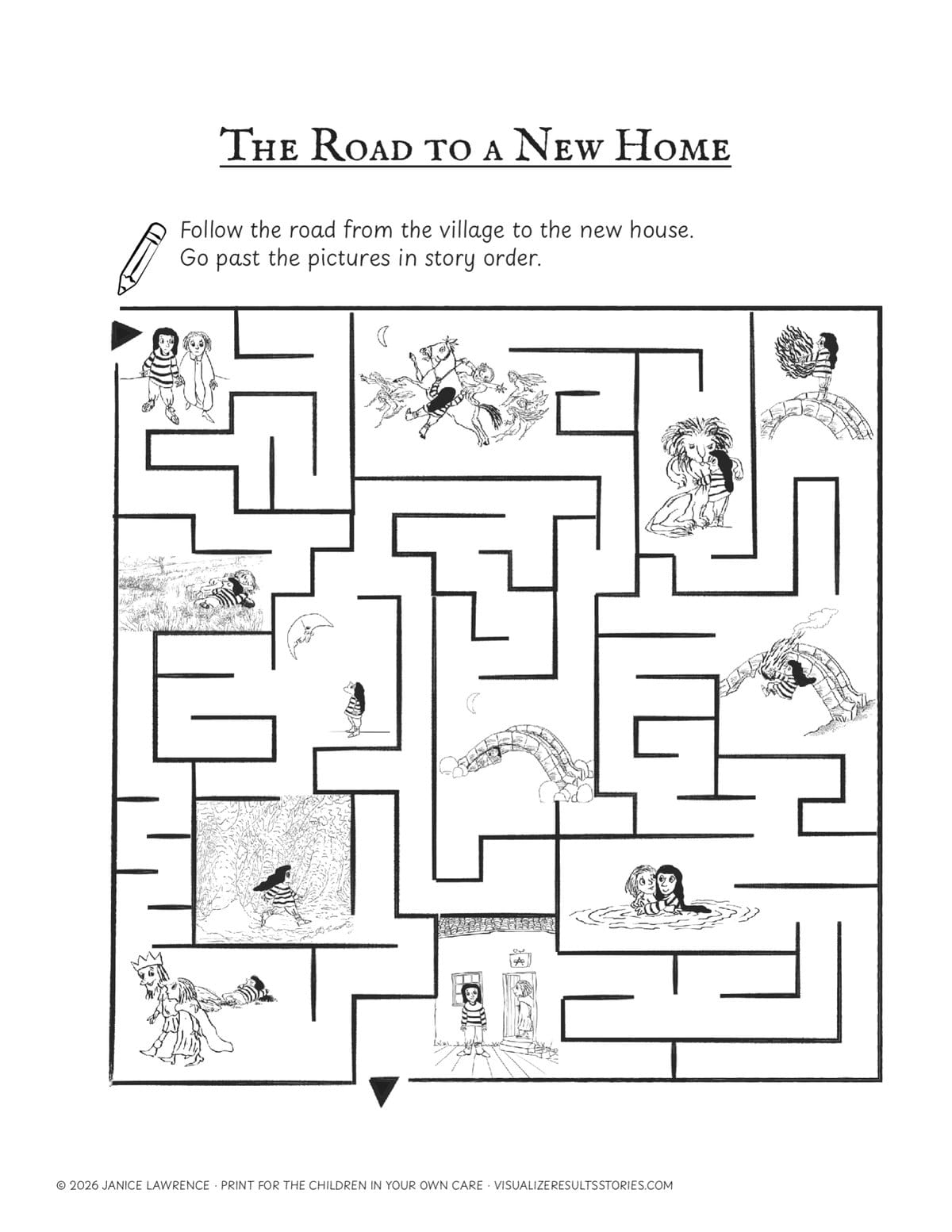
The Road to a New Home is an illustrated maze that follows the Brave Girl’s adventure from the sisters’ village to their new home. Your child must find a path that passes the pictures in story order. That means remembering what happened, looking ahead to find the next scene, and deciding which route might reach it. If a path ends, they have to return to an earlier choice and try another way. This gives children practice in planning, predicting, and adjusting their approach when something doesn’t work. Those skills support reading comprehension and everyday problem-solving, where the first idea isn’t always the one that succeeds. Notice whether your child looks ahead before choosing a path, recognizes when a route won’t work, and can return to an earlier turn without becoming discouraged.
Start at the arrow beside the sisters and let your child explore the maze with a finger before drawing the route. If they reach a dead end, give them time to find another way. When they finish, ask them to tell you the story using the pictures along the road. The maze leaves out some details, so they may want to add moments they remember from the read-along.
Does This Sound Like Your Child?
This activity may be especially helpful if your child:
- Is working hard to learn something new. The maze provides a small opportunity to practice trying another approach when the first one doesn’t work.
- Remembers what happened but struggles with the order. The illustrated route helps them connect the events in the story.
- Prefers pictures to words. They can retell the adventure by following the illustrations without needing to read every word.
- Gets discouraged by mistakes. A dead end is information about which route to try next, not a failure.
Try It This Week
- Name the kind of hard. Ask, “Is this a long search or a lion moment?” It gives you and your child a way to talk about a difficulty without another lecture about trying harder.
- Look back a few months. Find something your child couldn’t do earlier in the year but can do now. Talk about what helped them learn it.
- Give them time to reconsider. When a plan doesn’t work, resist the temptation to provide the solution immediately. Ask, “What else could you try?”