What If Your Child Doesn't Develop on Schedule?
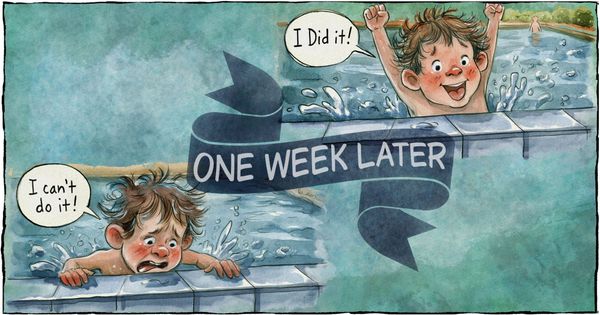
Persistence can mean changing course without giving up the goal.
I used to think that if I could just solve the problem in front of me, things would get easier.
If my child could learn to talk, we could work on reading. If we could get through first grade, second grade would be better. If we could figure out why something was so hard, surely we could find a way to fix it.
Unfortunately, children don’t work that way. They don’t develop on a schedule, no matter how carefully you organize your calendar.
What I Could Do Was Stay
Sometimes children make enormous progress in a few weeks. Sometimes they work for years on something that seems to come naturally to everyone else. And just when you think you’ve figured things out, they change the rules.
There were times when I wondered if I was doing anything right. I could see how hard my children were working. I could see their progress. But I couldn’t make the world slow down long enough for them to catch up.
What I could do was persevere.
Persistence isn’t doing the same thing over and over again. It’s being willing to change what you’re doing without giving up on what you’re trying to accomplish. Sometimes that means finding another way to teach something. Sometimes it means accepting that your child isn’t ready. And sometimes it means putting the whole problem aside and going out for ice cream.
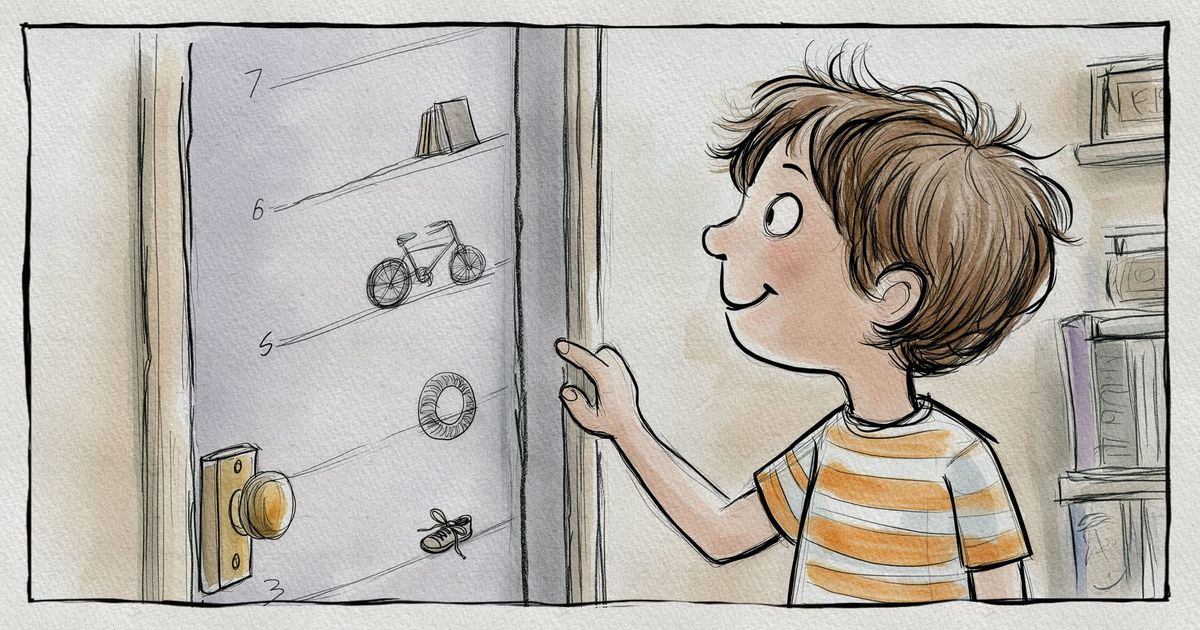
Every form, every appointment, and every developmental chart seems to have a column for what a child should be doing by now. Many families spend years with a child who isn’t in that column. But those charts don’t tell you how hard a child is trying, what they’ve already learned, or what it took to get there.
Summer to Winter and Back Again
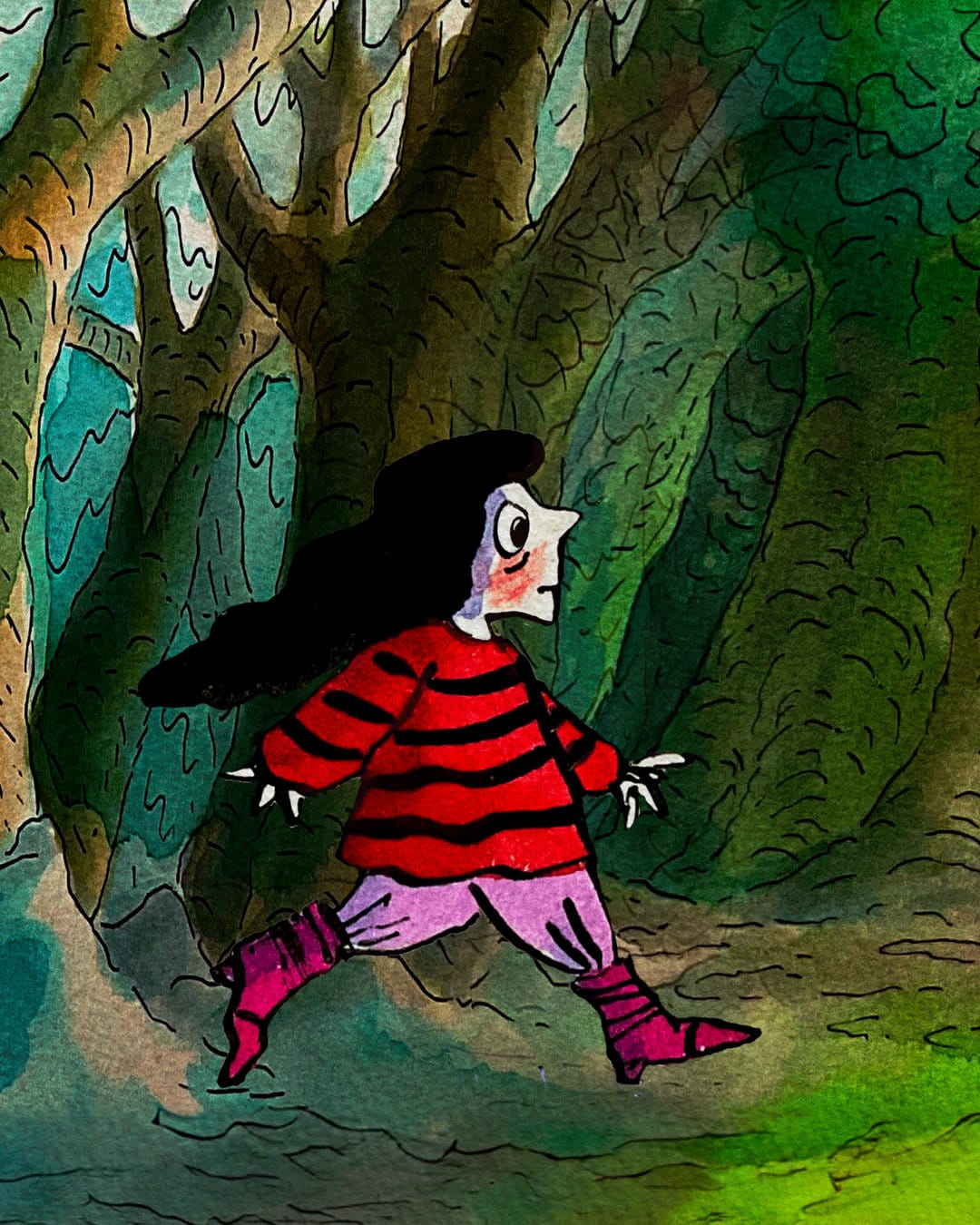
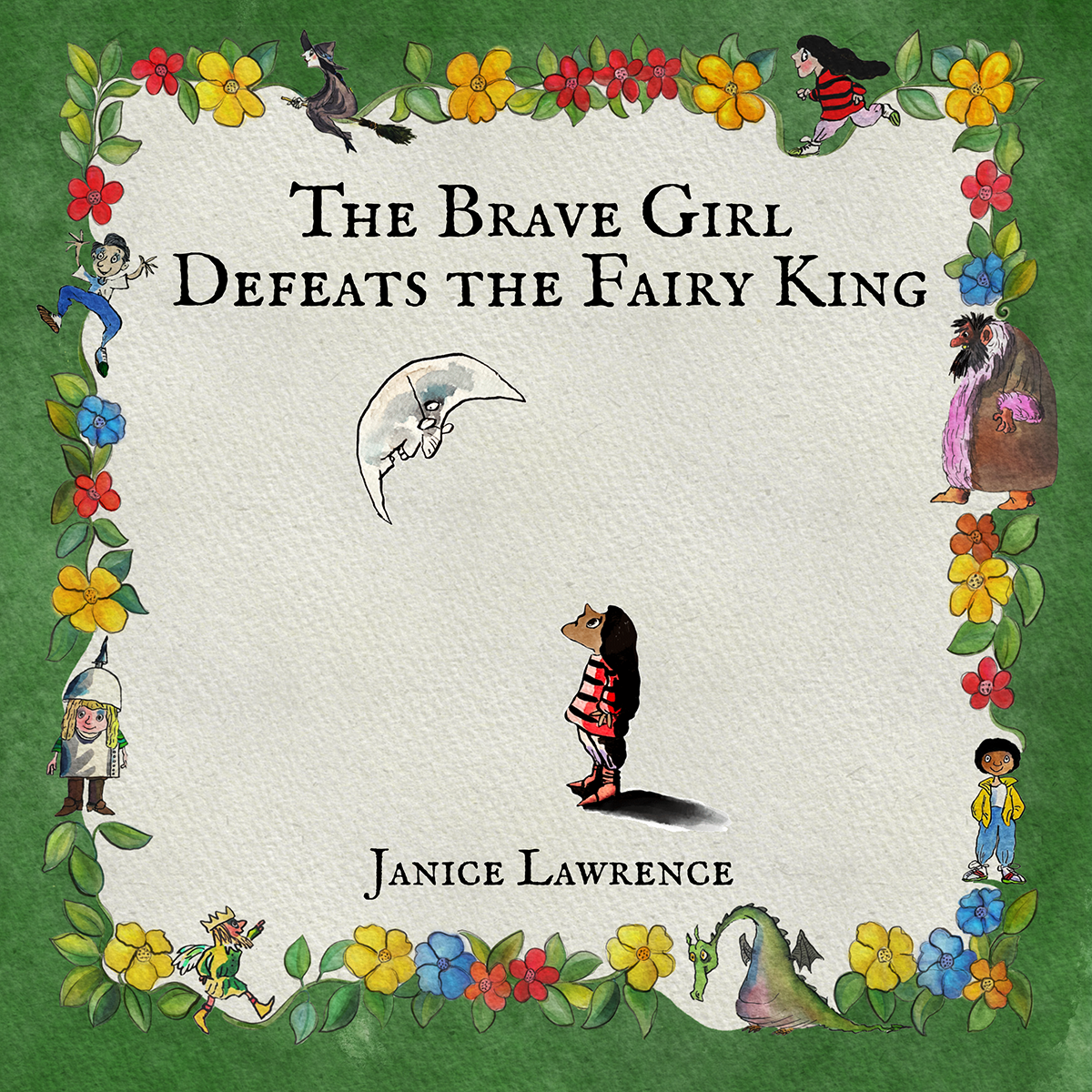
In The Brave Girl Defeats the Fairy King, the King of the Fairies steals the Brave Girl’s sister and carries her away to his kingdom at the edge of the world.
The Brave Girl searches for her through summer and winter, asking everyone she meets if they have seen her sister. Winter turns back to summer, and still she searches. She doesn’t know how long it will take or whether she will succeed.
What matters is that she keeps looking. When one attempt doesn’t work, she continues the search. When she finally discovers where her sister is, she faces a new challenge that requires a different kind of courage.
The Brave Girl’s persistence isn’t measured by how quickly she succeeds. It’s measured by her willingness to keep trying for someone she loves.
Today’s Free Activity: Still She Searched
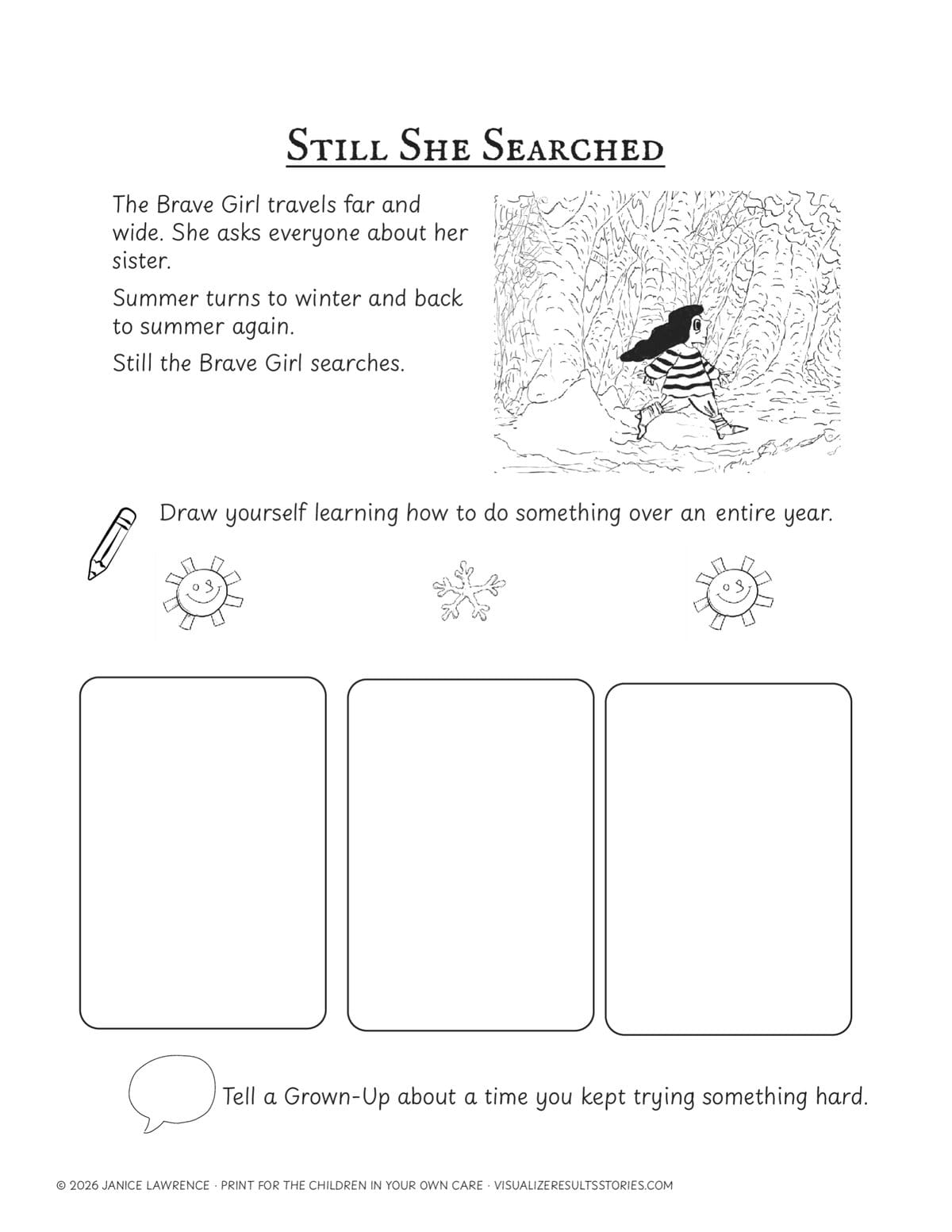
Still She Searched gives your child three boxes marked with a sun, a snowflake, and another sun, just as the story marks the passing seasons. Your child draws themselves learning something difficult over the course of a year. The pictures might show improvement, a different approach, someone helping, or simply another attempt. When the drawings are finished, ask your child to tell you about what they’ve been trying to learn.
This activity practices Expressing, the ability to communicate ideas, experiences, and feelings in ways other people can understand. Drawing gives children another way to explain something that may be difficult to put into words. By comparing their pictures, they can recognize what has changed, remember the effort they’ve made, and begin to describe their own learning. These skills support storytelling, self-expression, and conversations about difficult experiences. They also help adults understand what a child notices about their progress, which may be quite different from what we notice.
Ask, “What is something hard you’re learning to do?” Let your child choose. Don’t suggest reading unless they bring it up themselves. They can draw something they’ve been working on for a long time or imagine what they might try in the months ahead. The last box doesn’t have to show success. It can show another attempt, a new idea, or someone lending a hand.
Notice what your child chooses to include. Do they draw the same activity in every season? Does someone appear to help? What do they think has changed? Let them tell you what their pictures mean rather than explaining them yourself.
Does This Sound Like Your Child?
This activity may be especially helpful if your child:
- Is working on something that comes easily to other children. The page gives them room to recognize their own effort without comparing themselves to anyone else.
- Has been told they are behind. The three pictures tell the story of their own learning, not someone else’s schedule.
- Finds it difficult to explain how they feel about a challenge. Drawing gives them another way to communicate what they’ve experienced.
- Needs to try a different approach. Their pictures can show that changing the way they do something is part of learning, not giving up.
Try It This Week
- Look back a year. Find something your child couldn’t do last summer and talk about what has changed. It doesn’t have to be a major accomplishment.
- Change the approach before the goal. If something isn’t working, consider whether there is another way your child could learn or demonstrate the skill.
- Go out for ice cream. Sometimes the most useful thing you can do is put the whole problem aside for an afternoon.