What If Your Child Can Read a Room Before They Can Read a Page?
Sometimes children understand far more than they can explain. Reading a room and reading a page are two very different skills.
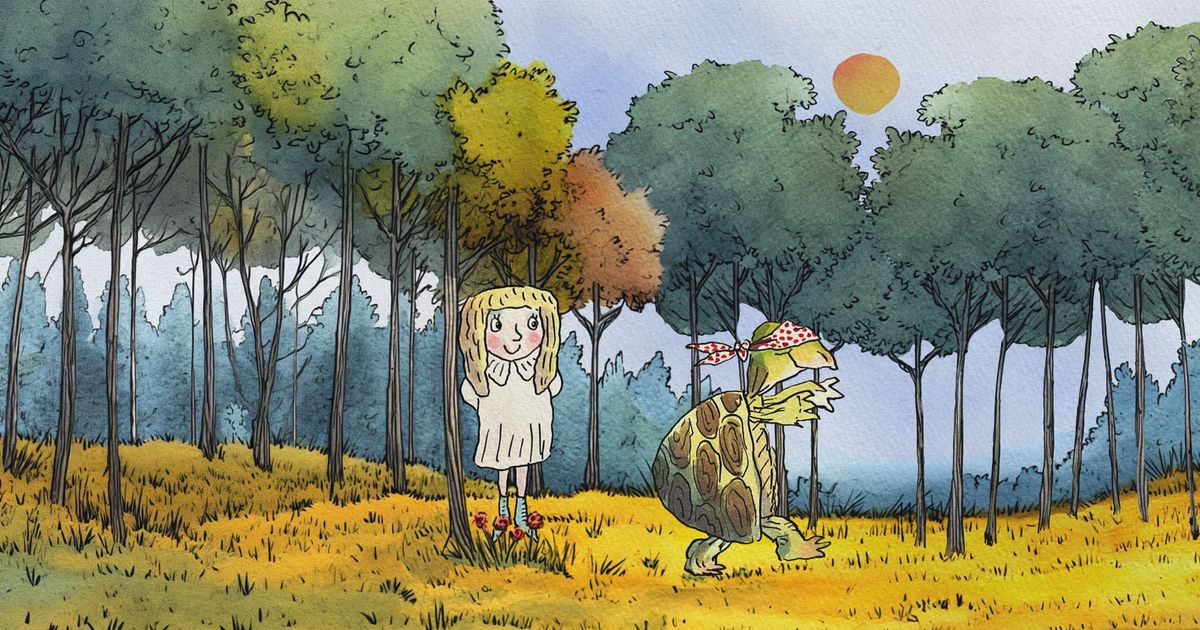
If you've watched your child figure out exactly how someone is feeling from across a room, then watched them stare blankly at a page of sight words, you already know something schools don't always test for: reading a situation and reading a sentence are two different skills. A child can be excellent at one long before they're ready for the other.
What Is Your Child Already Reading, Without Reading a Word?
Interpreting means reading past what's said or shown, to what's true underneath — a raised eyebrow instead of the words "I'm fine," a friend who says "it's nothing" and clearly means the opposite. It's how kids make sense of the world before they can sound out a single word describing it.

Why Reading a Room Counts as Real Thinking
- Decoding and understanding are different jobs. A child can follow a feeling, a motive, a plot twist, and still not be able to sound out "grumpy." That's not behind. That's the wiring working out of order.
- Visual thinkers often show this skill first and loudest. Kids who read faces, tone, and body language quickly are frequently the same kids who find phonics slower. The strength and the struggle come from the same place.
- Naming the skill changes how you hear a report card. Once "not decoding well yet" and "not paying attention" stop meaning "doesn't understand," the conversation with a teacher changes.
Try This the Next Time They Say "I Don't Know"
Notice it before you look for it anywhere else. Ask what happened at recess. Then wait.
Your child might not explain it in words, but they may suddenly become the friend who was left out, scrunch up their face, and show you exactly what happened. That's interpreting already working.
Now ask, "You knew he was upset even though he said he was fine. How did you know?"
Meet the Tortoise Who Taught Her to Look Twice
Every fairy tale has an unexpected teacher. This is the skill I build a whole storybook around. The Clever Girl Defeats the Dragon is one of four illustrated fairy tales in my Clever Girl series — each comes with a Playbook, a companion activity book kids do on their own after the story, no reading required.
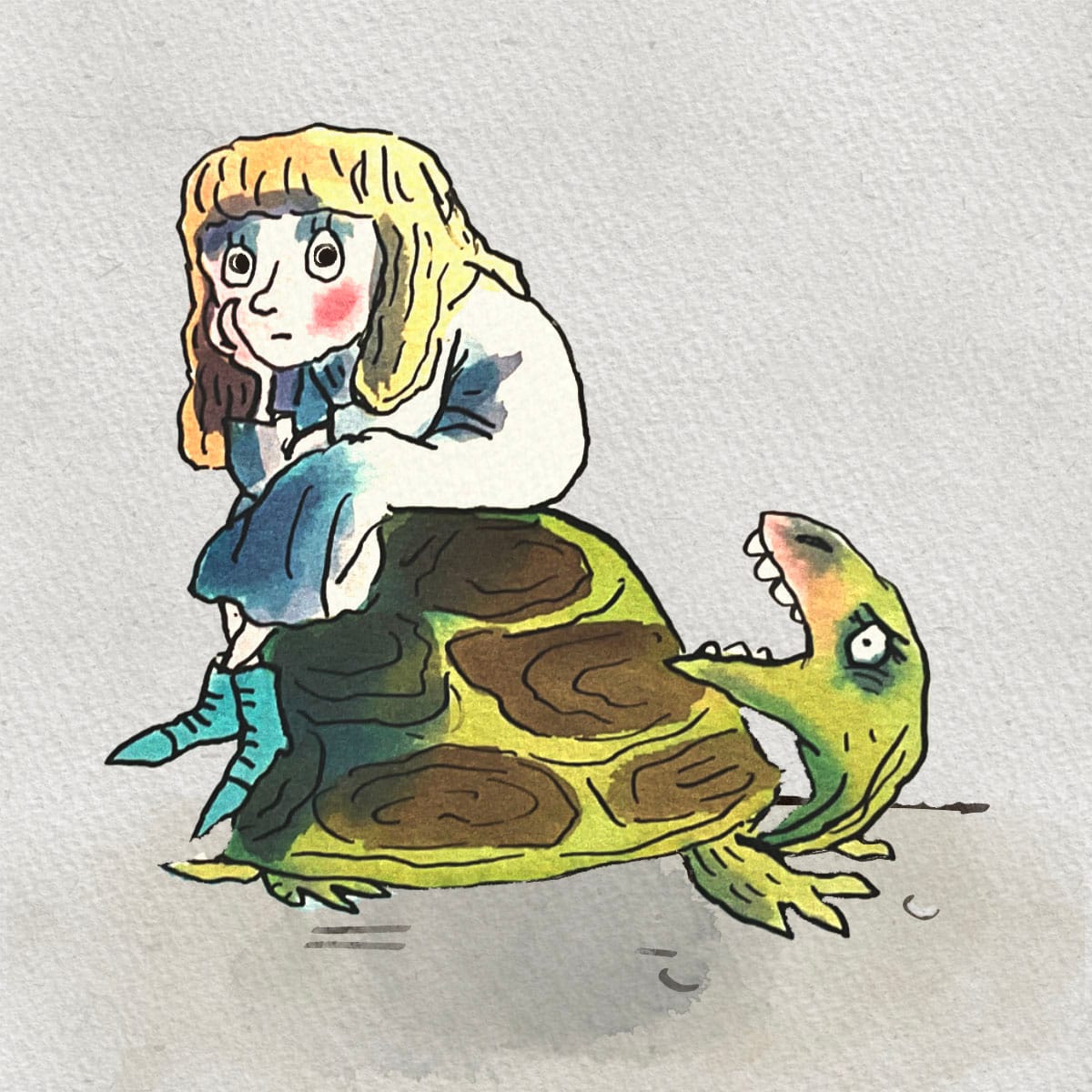
Fairy tales are full of disguises. Sometimes wisdom wears a pointed hat. Sometimes it breathes fire. Sometimes it's a grumpy old tortoise pretending to be a rock. Early in the book, the Clever Girl sits down on a rock to rest. The rock bites her. It isn't a rock — it's a grumpy old tortoise, and he has a lesson for her before the dragon ever shows up: things are not always what they seem. A child doesn't need to decode that sentence to feel it land. The picture already told them.
Today's Free Activity: The Grumpy Tortoise
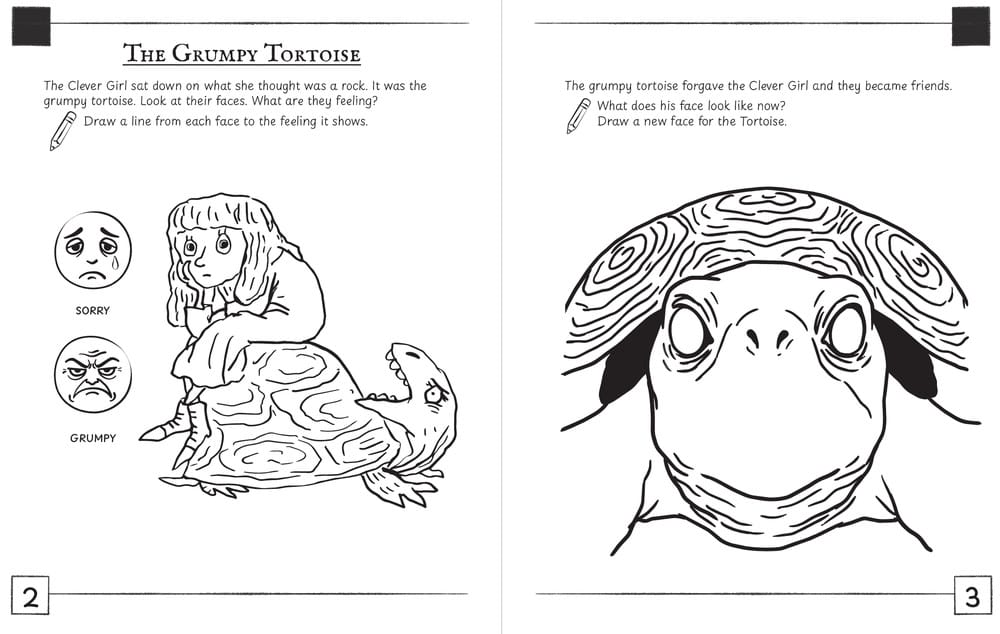
Your child matches the Tortoise's face and the Clever Girl's face to the feeling each one shows, then draws the Tortoise's face again once he's forgiven her and they've become friends. No reading required, no wrong answer — the second face is whatever your child decides forgiveness looks like.
Ask "what do you notice?" first, and then wait. If they need a way in, point at one part of the face: "What is his mouth doing?"
Does This Sound Like Your Child?
This activity helps all kids connect a face to a feeling, but it is especially good for children who have:
- Autism Spectrum — kids who take the unwritten rules of a situation literally. The structured face-to-feeling matching lays out, step by step, something most kids absorb without being taught.
- Emotional Delays — kids who struggle to name what they or someone else is feeling. Matching a face to a feeling word practices exactly that, with no pressure to get it "right" the first time.
- Social Delays — kids who misread a room or don't reliably connect a face to a feeling on their own. Drawing the line between the two makes the connection visible instead of automatic.
- Communication Barriers — kids who understand exactly what happened and still answer in one word, or not at all. Drawing a line, or a new face, is a complete answer. No talking required.
It Doesn't Stop at the Tortoise
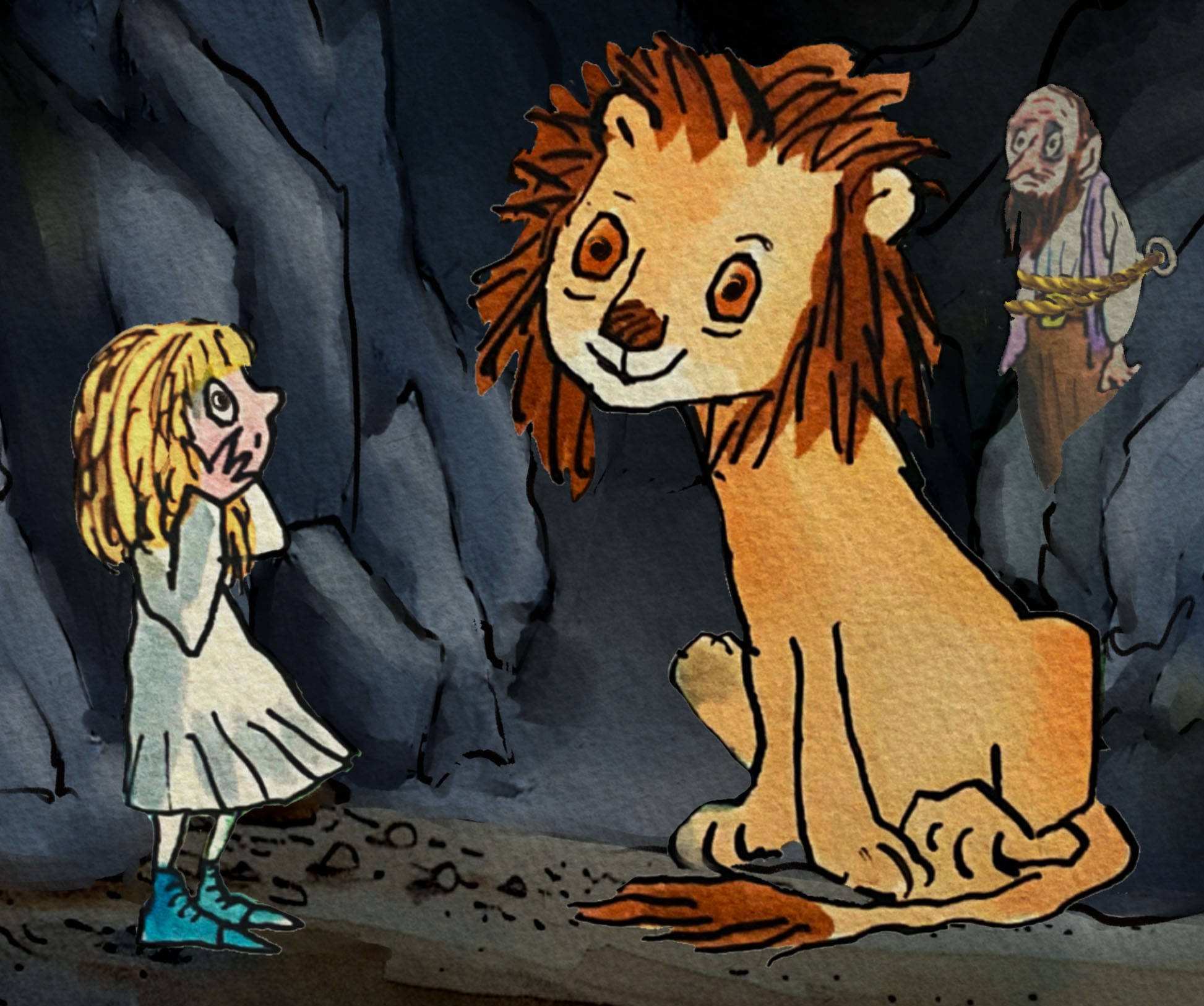
- The skill keeps paying off through the whole book. Once children begin looking beneath appearances, they start seeing clues everywhere. Later, the Clever Girl asks a shape-shifting dragon to turn into a lion, an elephant, a spider — and reads him accurately enough to know exactly when he's small enough to beat. None of it depends on a single word of dialogue.
- This is what "visual thinking" means. Not a love of pictures — a real, teachable skill, and often the strongest one a struggling reader already owns.
Try It This Week
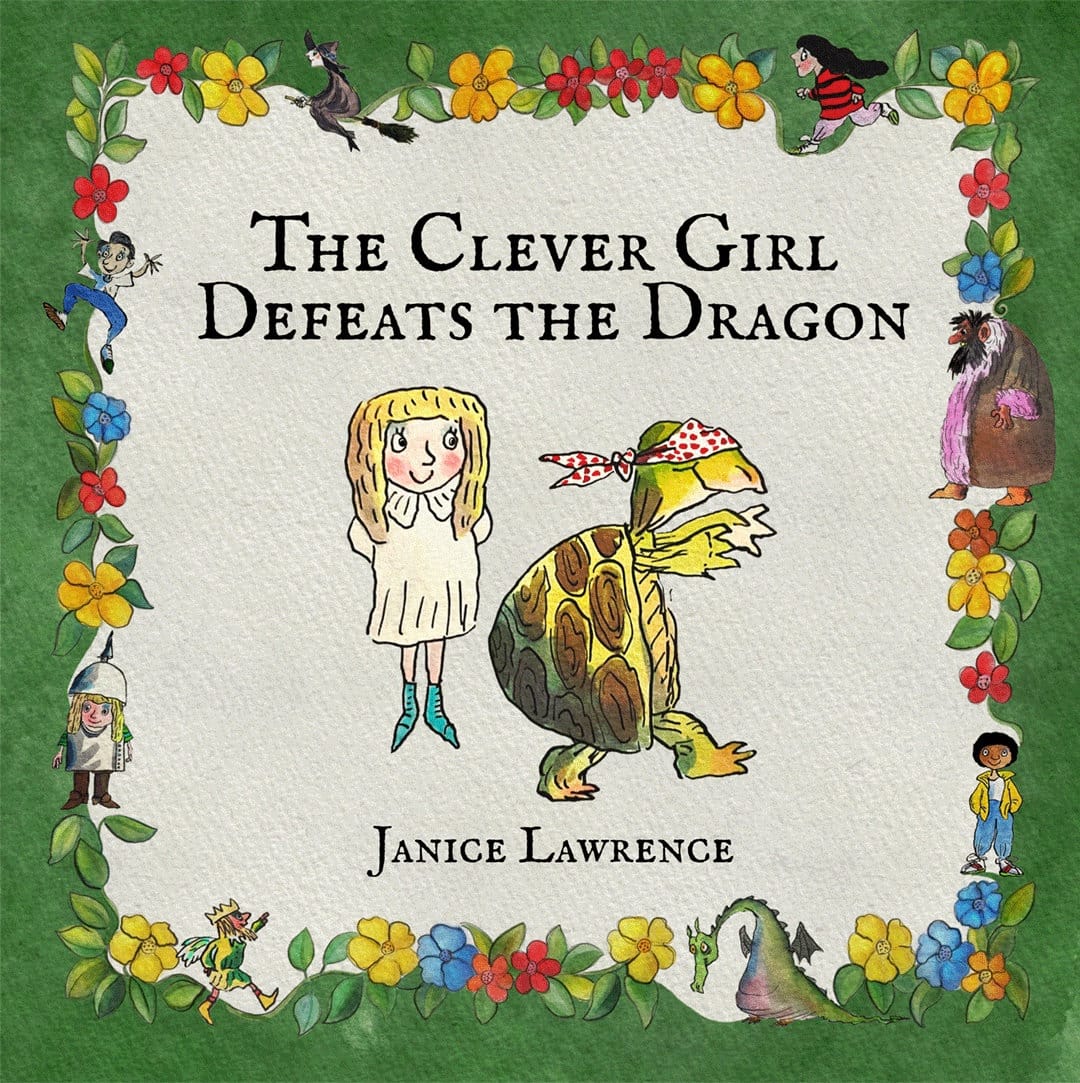
- Watch the read-along together, then download The Grumpy Tortoise. No book required first.
- Try the recess question this week and see what your child shows you.
- Let your child change their answer once they've looked again. That's the skill working, not a mistake to fix.
- Scientists revise ideas. Detectives revise theories. Readers revise understanding. Children should get to revise too.