What If Your Child's Friendship Doesn't Look Like Friendship?
Friendship can begin without a single word.
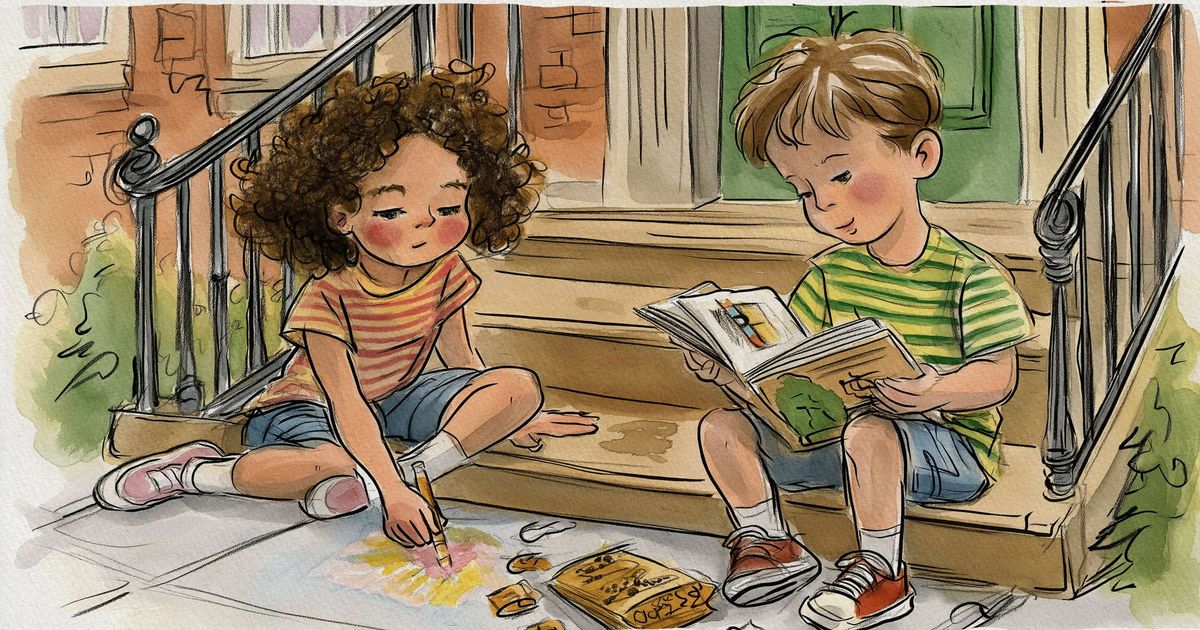
My autistic son’s first friend was another little boy. They were five.
It might not have looked like much of a friendship to someone watching them play. My son didn’t talk, and his friend didn’t expect him to. They could sit together, each doing his own thing, perfectly happy to be in the same place.
It’s called parallel play. And for my son, it was a wonderful way to have a friend.
Friendship Doesn’t Have to Look the Way We Expect
His friend didn’t need him to change. He didn’t insist that my son talk, follow complicated rules, or behave like everyone else. He simply enjoyed being with him. Apparently, being friends didn’t require a lot of conversation.
I learned something important from watching those two boys. Friendship doesn’t have to look the way we expect it to. Sometimes the most generous thing one child can do for another is accept them exactly as they are.
As adults, we often look for familiar signs of friendship. Children talking, laughing, sharing toys, and playing games together. When we don’t see those things, we may worry that a child isn’t connecting with other people.
But two children can enjoy each other’s company without doing the same thing or talking to each other. They may be perfectly content building separate towers at opposite ends of the same rug. And when the playdate is over, both may be disappointed that their friend has to leave.
The important question isn’t whether the children are playing the way we expect. It’s whether they enjoy being together.
Why This Matters for Learning
Children learn an enormous amount from being with other people. They observe what others do, discover different ways to solve problems, and begin to understand that someone else may have ideas and feelings that are different from their own.
Those experiences don’t always begin with conversation. A child who watches another child build a tower may decide to try a new way of stacking blocks. Two children drawing beside each other may exchange a smile or show each other something they’ve made. Those small moments can become the beginnings of communication.
For a child who finds conversation difficult, being able to participate without having to talk can make being with other children much more comfortable. Instead of concentrating on what they’re expected to say, they can enjoy what they’re doing and pay attention to the person beside them.
And when children feel comfortable, they may be more willing to share an idea, show someone what they’ve made, or try something new together.
This matters for language development, too. Communication begins with having something we want to share. A drawing, a gesture, a smile, or a carefully chosen object can communicate an idea before a child has the words to explain it.
If we recognize those efforts as communication, we have more opportunities to respond, encourage the child, and help them develop new ways of expressing themselves.
A Friendship in a Dragon’s Cave
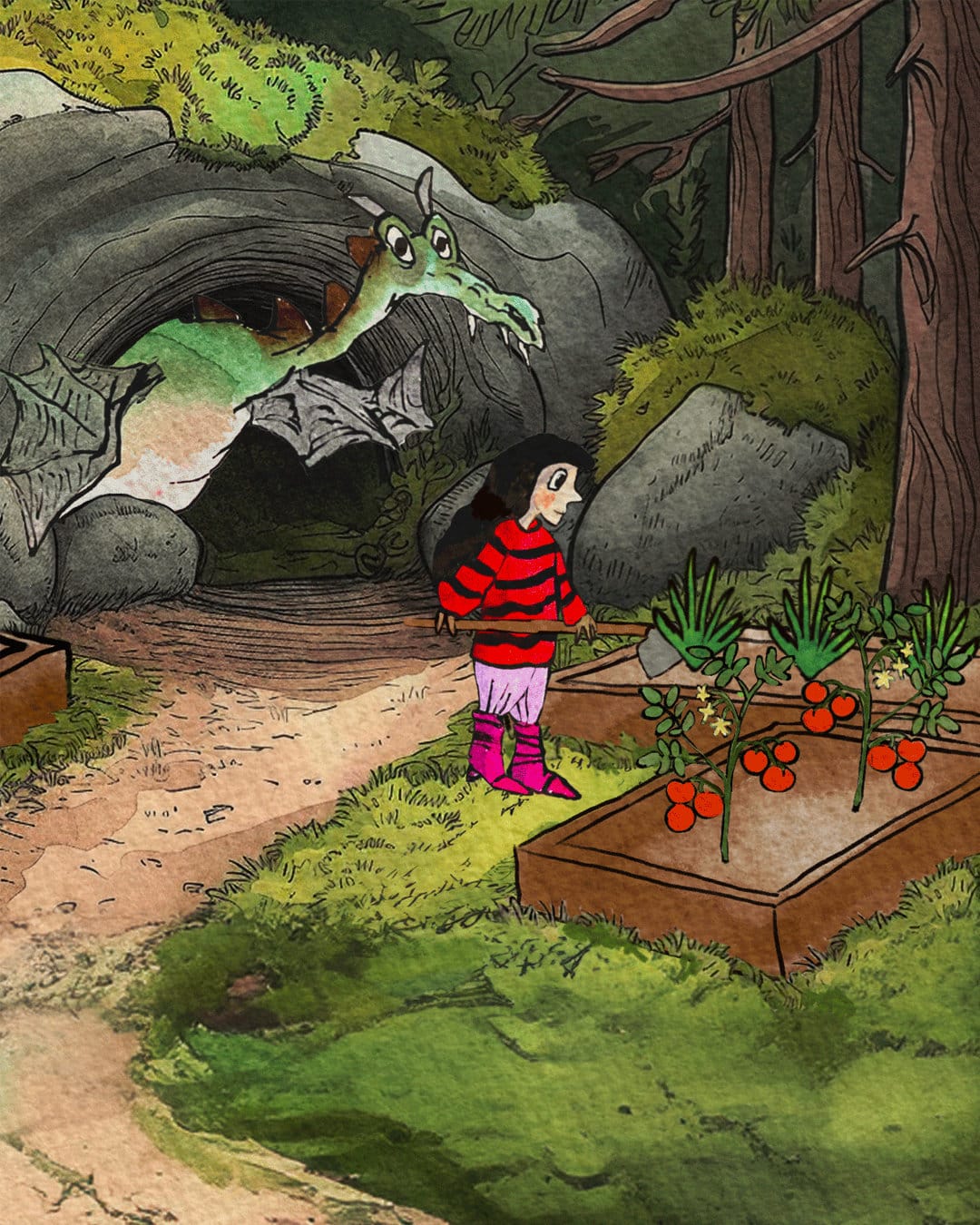
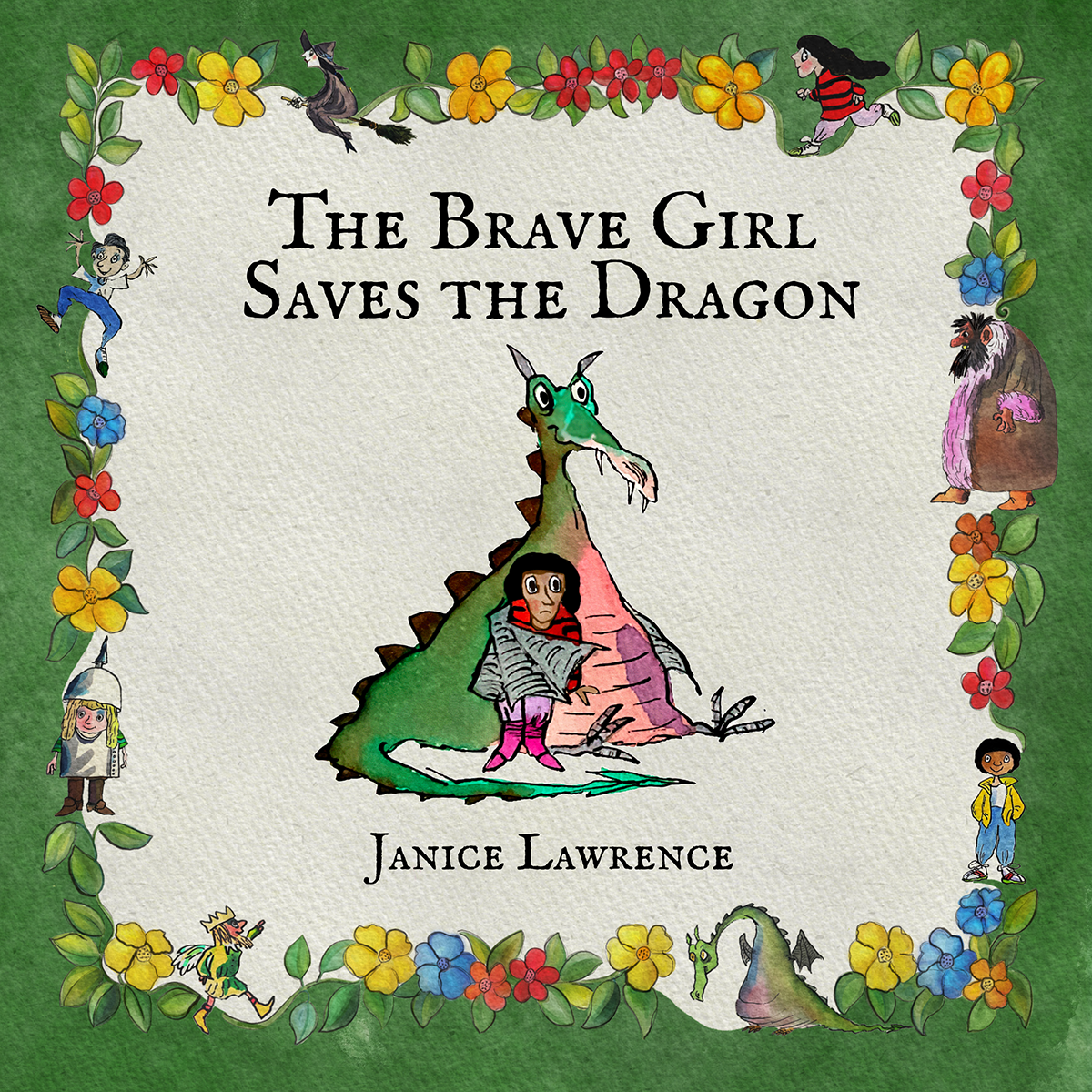
In The Brave Girl Saves the Dragon, the Brave Girl finds herself living with a dragon who isn’t particularly pleasant company. She plants gardens and reads him stories. Little by little, he becomes less mean, and she grows quite fond of him.
Their relationship changes through the things they do together. They don’t begin by understanding each other. That understanding develops as they spend time together and discover something about the other person.
The story gives children a chance to think about what makes a friendship. Does a friend have to be like you? Do you have to enjoy the same things? How do you know when someone likes being with you?
These are useful questions because children are still discovering how relationships work. They need opportunities to recognize friendship in different forms and to understand that people may show affection, interest, and kindness in different ways.
And perhaps there’s a lesson for the grown-ups, too. Sometimes we can help children develop friendships by giving them the opportunity to be together without telling them how that friendship is supposed to look.
Today’s Free Activity: Make Your Own Book!
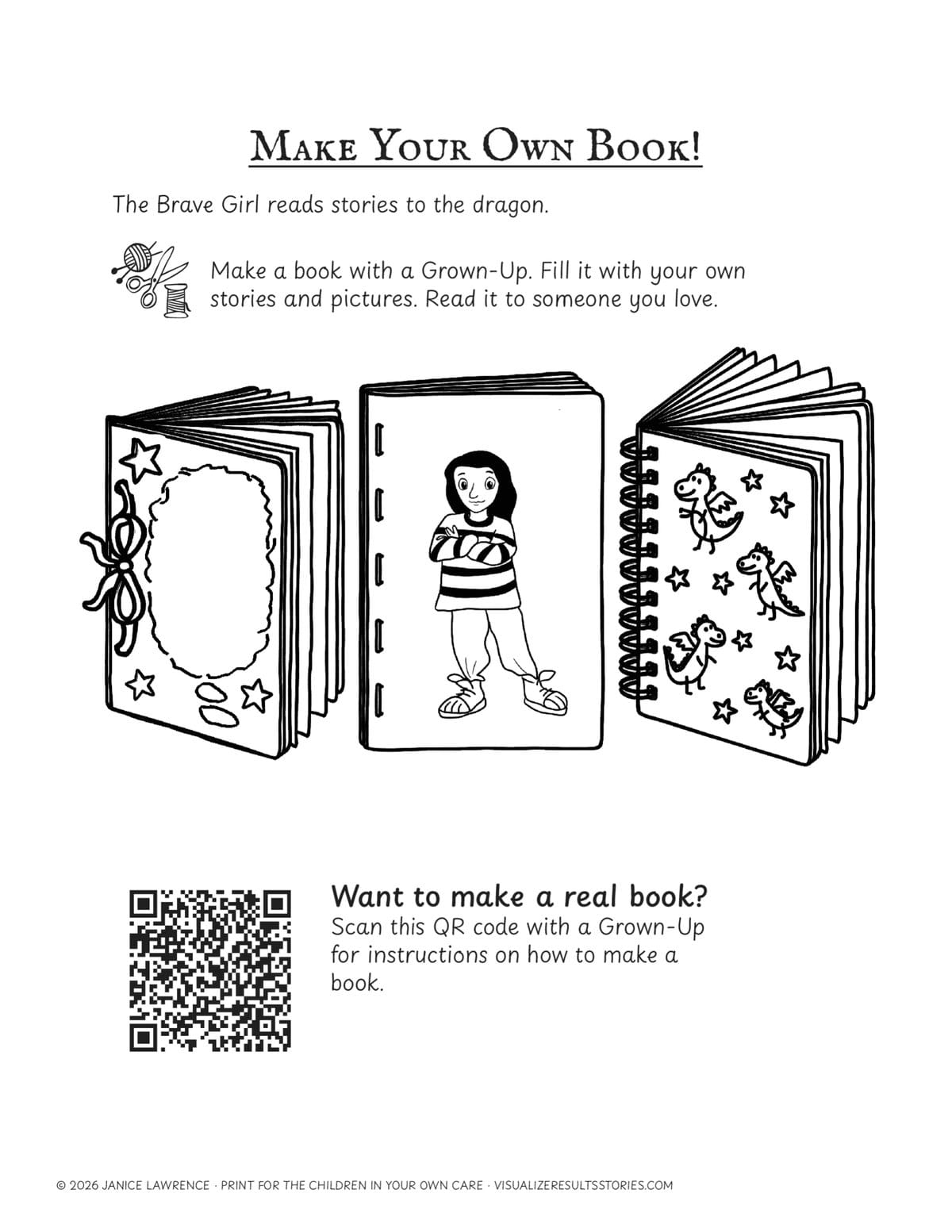
In Make Your Own Book!, your child chooses a way to make a book and decides what story to put inside. They can draw pictures, write words, or tell you what to write. Creating a story gives children a way to organize their ideas and express something they want another person to understand, even before they can read or write. It can also be a lovely activity to do side by side, with each person working on their own book. Notice what your child chooses to tell you, how they arrange their pictures, and whether they want to share the finished story. You’re seeing how they use pictures and words to communicate something that matters to them.
Does This Sound Like Your Child?
This activity may be especially helpful if your child:
- Says very little but notices a lot. Drawing gives them a way to share ideas without having to answer a string of questions.
- Prefers playing beside other children. Making books together creates an opportunity to enjoy someone’s company without requiring constant conversation.
- Isn’t ready to write. They can tell a complete story with pictures, gestures, or words you write for them.
- Has wonderful ideas but struggles to explain them. Pictures give them something concrete to point to as they organize their thoughts and tell you what they mean.
Try It This Week
- Spend some time together without a plan. Bring out paper and pencils and work side by side. You don’t have to turn every shared moment into a conversation.
- Let your child lead. If they want to show you something they’ve made, ask, “Tell me about it.” Then listen without correcting or improving their explanation.
- Look for different kinds of communication. Notice when your child uses a gesture, a picture, or an action to share an idea. Respond to what they’re communicating, not just how they communicate it.