How Does a Small Child Solve a Big Problem?
Planning is a skill a small child can practice.
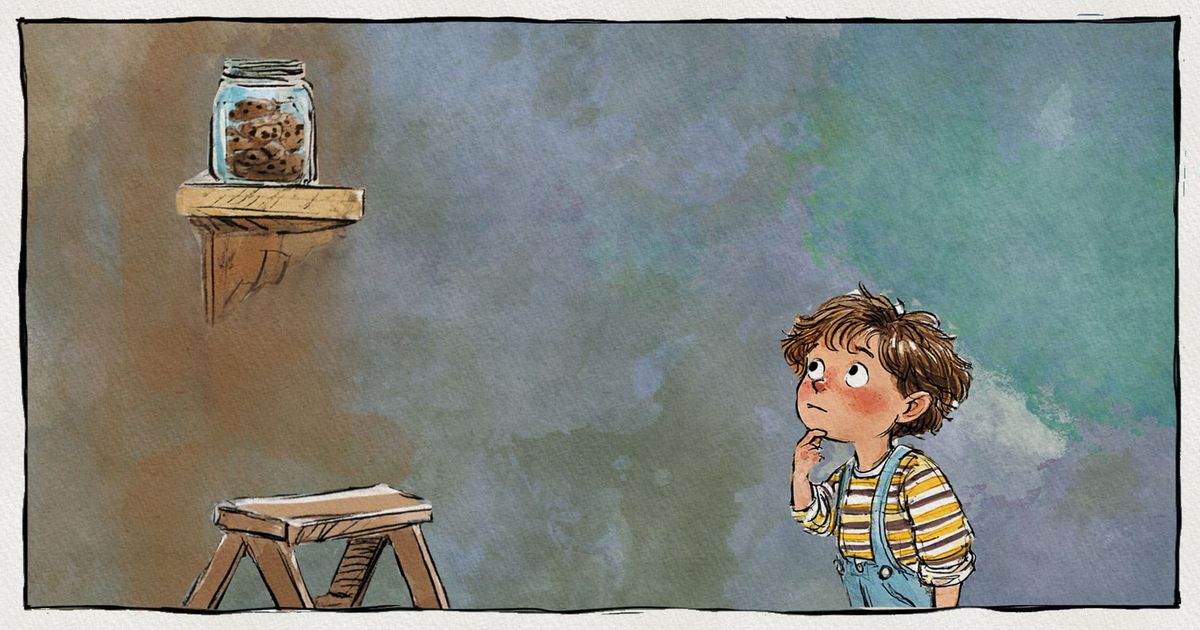
Your child stands at the edge of the playground for ten minutes before joining the game. It can look like shyness, or like a child who is stuck.
But perhaps your child is doing something else. They may be watching how the game works, figuring out who is in charge, and looking for a way to join without upsetting everyone already playing. Instead of rushing in, they’re gathering information and working out what to do.
That’s the beginning of solving a problem. And it’s a skill children can practice long before they are old enough to solve most of their problems on their own.
Solving Begins with Understanding the Problem
When we think about problem-solving, we usually think about finding an answer. But before you can solve a problem, you have to understand what you’re trying to accomplish, what might get in the way, and what you have to work with.
A child who wants to join a game has a goal. But getting there may require several steps. They have to understand the rules, decide when to approach, and work out what to say or do. They may also need a different plan if the other children don’t respond the way they expected.
That’s a lot of thinking for something that looks as simple as walking onto a playground.
Planning helps children organize that thinking. Instead of trying the first thing that comes to mind, they can consider what needs to happen first, what might happen next, and what they could do if their original idea doesn’t work.
This matters because children encounter problems they cannot solve immediately every day. They can’t reach something they want. A toy won’t work. A friend doesn’t want to play their game. A task that looked easy turns out to be difficult.
When children learn to break a problem into smaller steps, they have more ways to approach it. They can decide what to try first, recognize when something isn’t working, and use what they’ve learned to choose another approach. That can make an overwhelming problem feel more manageable.
It also helps them become more independent. They may still need help, but instead of waiting for someone else to provide the answer, they can begin figuring out what kind of help they need.
Why Problem-Solving Can Be Hard to Teach
Most of the problem-solving young children see happens too fast to follow. A grown-up looks at a stuck zipper, does something, and suddenly it works. The child sees the result, but not all the thinking that came before it.
And when a child encounters a difficult problem, someone bigger often steps in to solve it. Sometimes that’s exactly what needs to happen. But it also means children don’t always get to see how someone works through a problem, particularly when the first attempt fails.
Stories can make that thinking visible. We can watch a character encounter a problem, gather information, consider possibilities, and make a plan. We can also see what happens when the plan succeeds or fails.
For children who find it difficult to organize their thoughts or explain their ideas, pictures make the process easier to follow. They can point to what happened first, identify the important clues, and see how one decision leads to another.
The benefit isn’t simply learning to solve the particular problem in the story. It’s beginning to recognize a process they can use when they encounter problems of their own.

The Brave Girl Looks Before She Acts
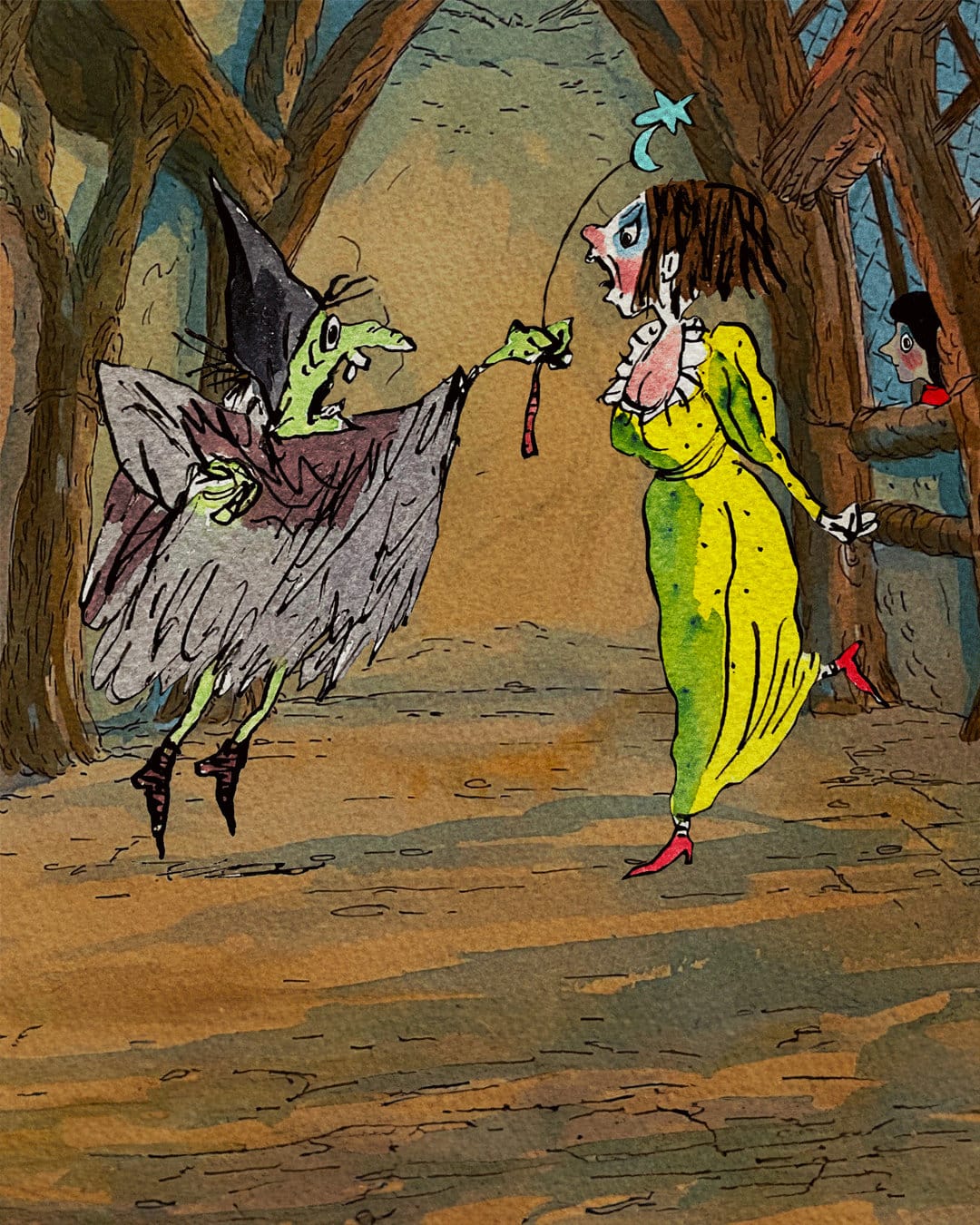
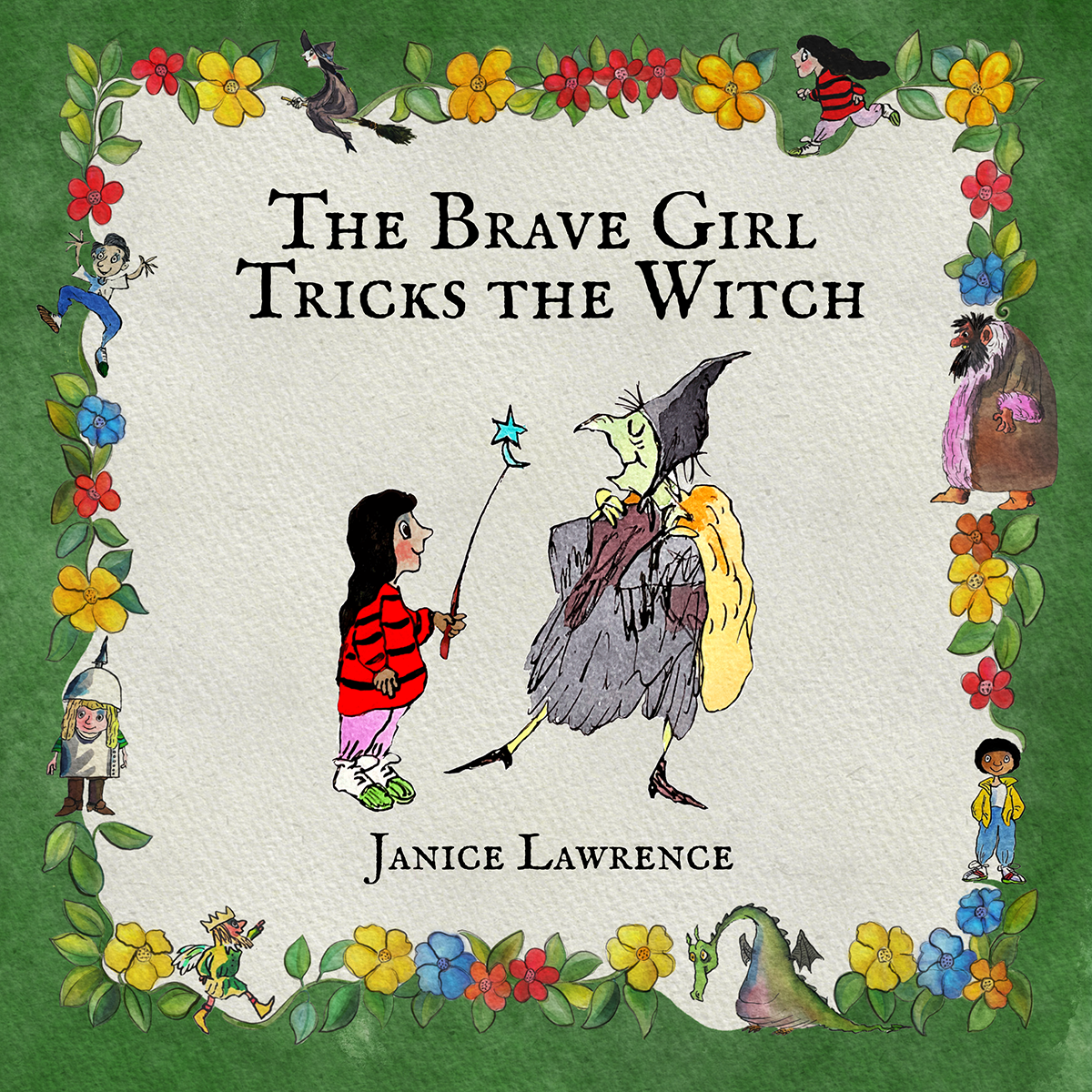
In The Brave Girl Tricks the Witch, the Brave Girl has a very big problem. A witch has given her sister a sheep’s head, and the way to change her back is to get the witch’s magic wand. Unfortunately, if the witch catches her, the Brave Girl will become a sheep, too.
The Brave Girl has no magic of her own. She can’t overpower the witch, and rushing into the house would probably make things worse.
So she looks through the window.
She discovers that the witch wants the shimmering cloak she was promised. She also watches the witch use her wand and sees exactly how it works. With those two pieces of information, the Brave Girl can make a plan.
What makes this an especially useful story for children isn’t simply that the Brave Girl tricks the witch. It’s that she succeeds by paying attention before she acts. She finds out what she needs to know, uses what she has, and works out how to reach her goal.
This is a different way of thinking about bravery. The Brave Girl doesn’t win because she is stronger than the witch. She wins because she understands the problem well enough to find a solution.
For a small child facing a problem that seems impossibly big, that’s a useful idea to carry away from a story. You don’t have to be the biggest or strongest person in the room to figure something out.
Today’s Free Activity: The Trick
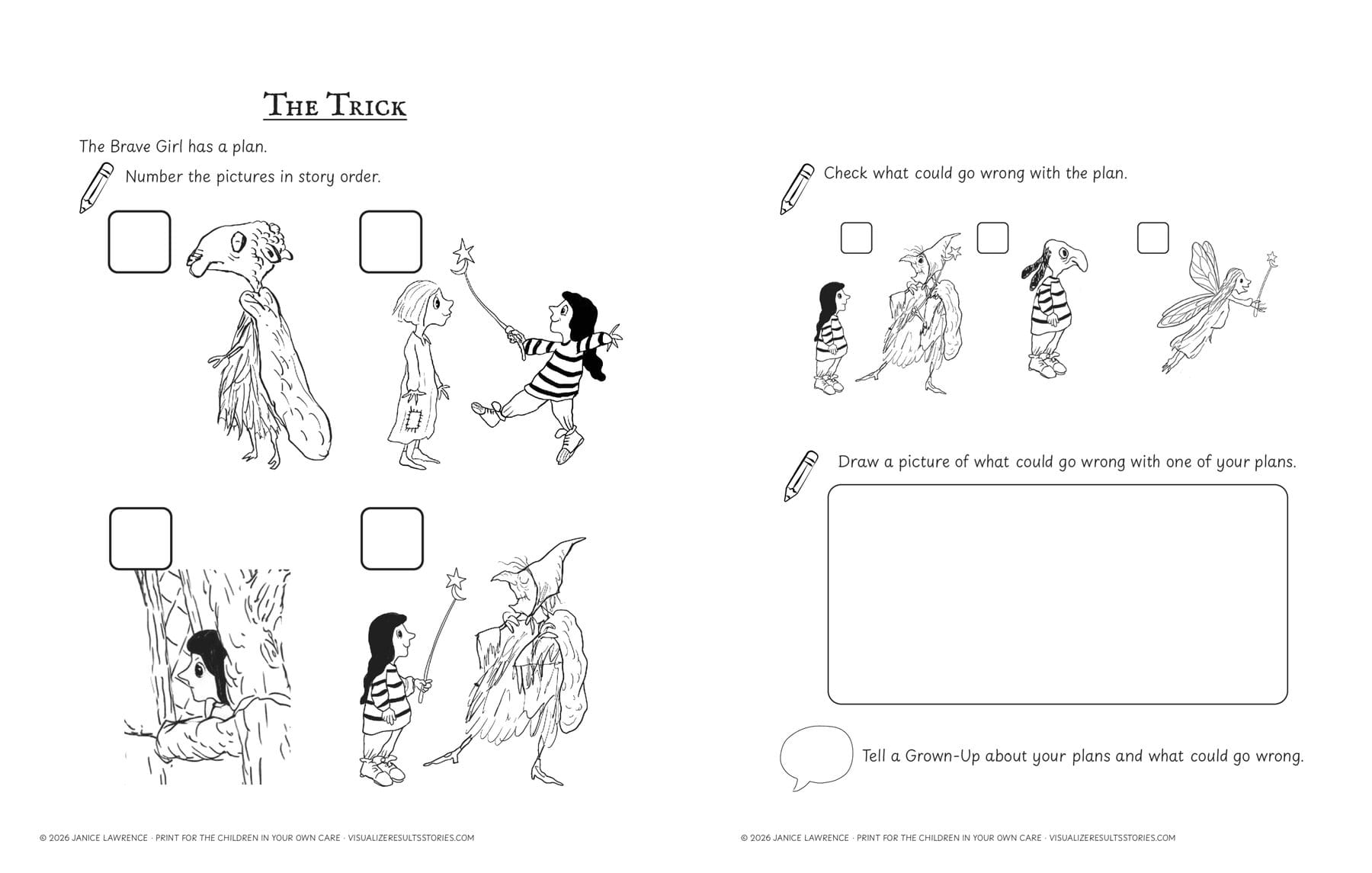
In The Trick, your child puts four pictures of the Brave Girl’s plan in the correct order, then considers three things that might have gone wrong. The activity helps children see that solving a problem involves more than having a clever idea. They need to work out which steps come first, anticipate possible difficulties, and think about what they could do if the plan fails. Those skills help children approach everyday problems with more confidence and independence. Notice whether your child can explain why one step must come before another and what they think might happen if something changes. Their reasoning matters more than getting every answer right.
Does This Sound Like Your Child?
This activity may be especially helpful if your child:
- Watches for a long time before joining a game. It helps them recognize that observing and gathering information can be an important part of solving a problem.
- Rushes in and gets stuck. Putting the steps in order encourages them to think about what needs to happen before they act.
- Gives up when the first idea doesn’t work. Considering what could go wrong helps them understand that difficulties can be anticipated and plans can be changed.
- Feels too small to solve big problems. The Brave Girl shows that paying attention and thinking carefully can sometimes accomplish what strength cannot.
Try It This Week
- Ask what to find out first. When your child encounters a problem, try asking, “What do you need to know before you decide what to do?”
- Think about what could go wrong. Before trying a plan, ask, “What might happen?” and “What could you do if that doesn’t work?”
- Let your child hear you think. When you’re solving an everyday problem, explain what you noticed, what you decided to try, and why. Children rarely get to see the thinking behind the solutions adults provide.