What Can Two Very Different Sisters Do Together?
Different strengths can make the best team.
One of your children charges into every new situation without a second thought. The other hangs back, watches carefully, and wants to know what is going to happen before joining in. One loves being the center of attention. The other would rather have a quiet conversation with one friend.
When children are so different, it’s easy to spend a lot of time trying to get them to behave more alike. We encourage the cautious one to be more adventurous and remind the adventurous one to slow down. Sometimes we’re so busy trying to help each child do what comes naturally to the other that we overlook what each one already does well.
But what if those differences are exactly what makes them a good team?
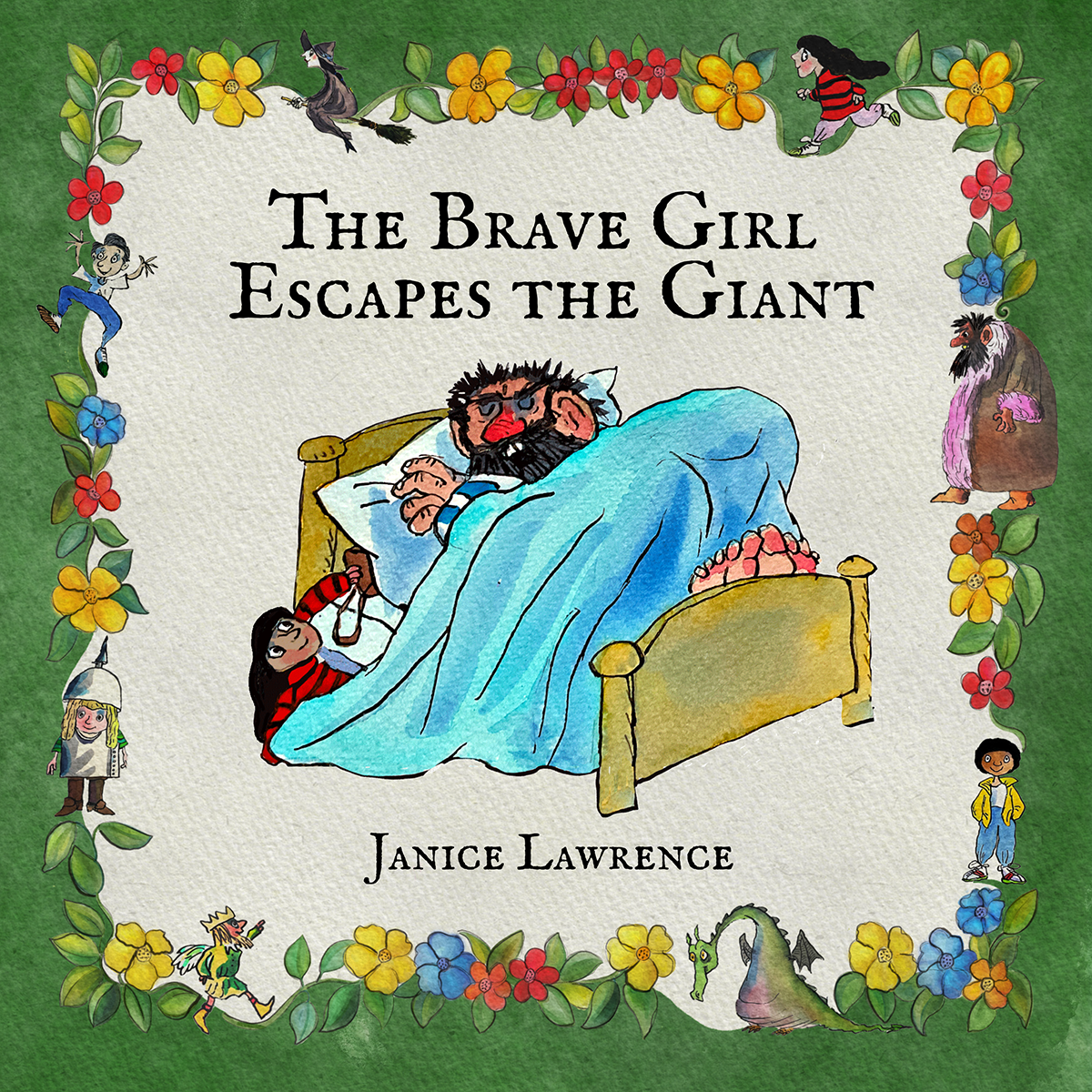
This Week’s Story: The Brave Girl Escapes the Giant
The Brave Girl Escapes the Giant begins with two sisters who are as different as night and day. One is brave and fearless. The other is beautiful and kind. But they love each other very much, and together they make a wonderful team.
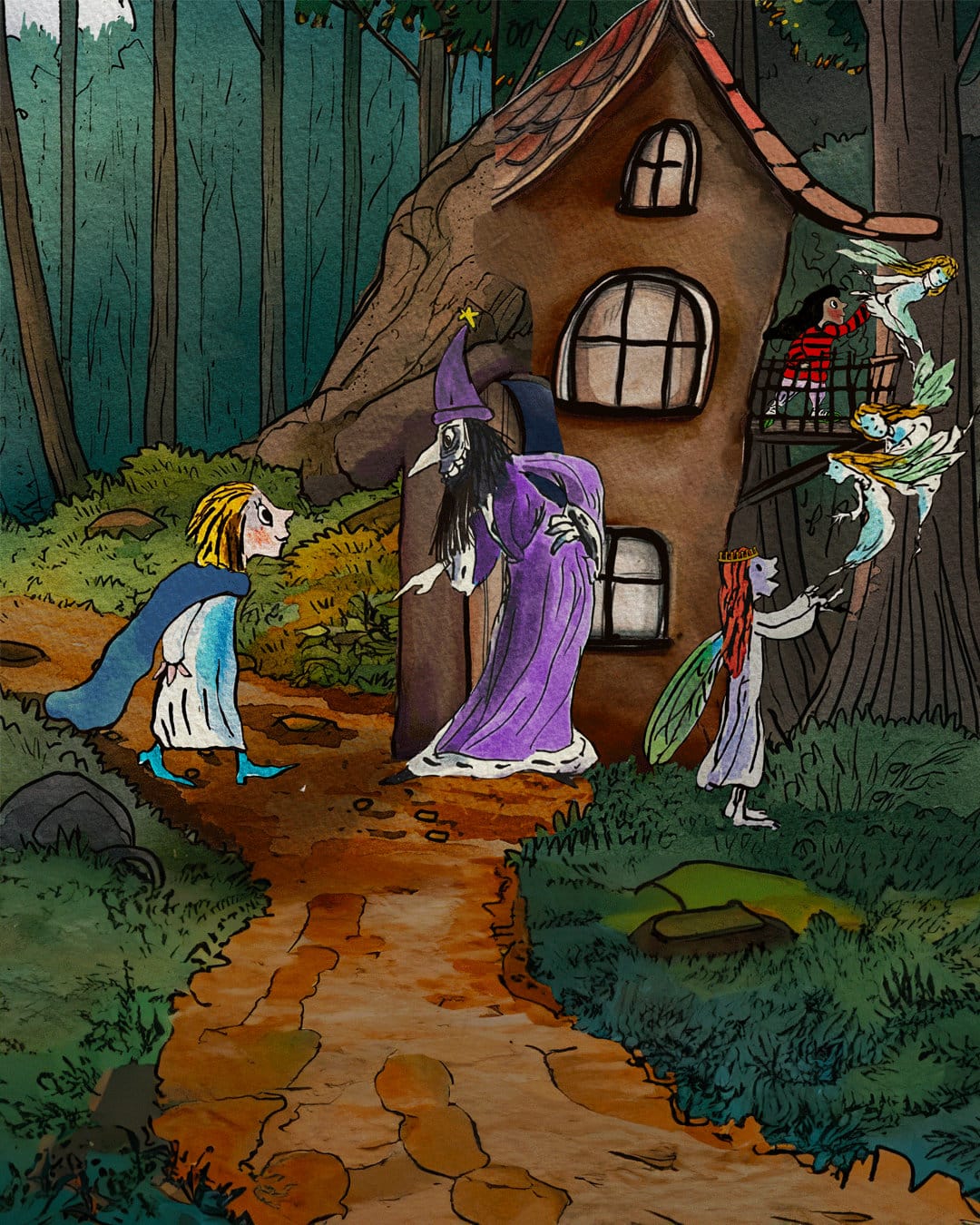
On their sixteenth birthday, the sisters set out to make their fortune in the world. Along the way, they encounter a fairy queen in trouble, a dangerous sorcerer, a giant, and a king. Each adventure presents a new problem, and the sisters have to find a way through it.
Sometimes the Brave Girl’s courage is what they need. At other times, her sister’s kindness or beauty provides an opportunity that courage alone could not create.
What makes the story interesting is that neither sister has to become more like the other. They succeed by recognizing what each can contribute.
As you watch the read-along, pay attention to how the sisters approach each problem. Which sister has the ability they need? What do you think she might do? And what happens when one sister needs the other?
Four Things to Talk About
Watch the story together first. Then choose one or two questions that interest your child. You don’t need to stop the video every time something happens.
“What did the beautiful sister do to help the Brave Girl?” Think about the sorcerer and the king. Your child may notice that being kind, friendly, or charming can create opportunities that strength and courage cannot.
“What did the Brave Girl do to protect her sister?” Ask your child to remember a moment when the Brave Girl had to make a difficult decision. What might have happened if she hadn’t acted?
“Why do you think the magic ring became a bridge?” This asks children to connect the sisters’ love and the Fairy Queen’s gift with the solution to a problem much later in the story.
“Which sister would you rather be? Why?” There is no correct answer. Listen for the qualities your child admires and the reasons behind their choice.
The answers may surprise you. A child who usually wants to be the strongest character may prefer the kind sister. A quiet child may be fascinated by the Brave Girl’s courage. Let them explain what they see in each character before drawing conclusions about what it means.
Why Predicting Matters
Predicting is more than guessing what happens next. It means using what you already know to work out what might happen and why.
When children begin to understand the characters in a story, they can use that knowledge to anticipate how each character might respond to a new situation. They know the Brave Girl is courageous, so they may expect her to take a risk. They know her sister is kind, so they may predict that she will find a way to help someone.
This requires children to remember what they have learned about a character, recognize what a new problem demands, and decide which abilities might be useful. They are beginning to connect what people can do with what a situation requires.
That kind of thinking supports reading comprehension because children are no longer simply waiting to discover what happens next. They are actively considering possibilities and checking their ideas against what the story reveals.
It also helps children understand people. When they recognize that different people have different strengths, they can begin to anticipate who might be able to help with a particular problem. They learn that the friend who is good at explaining things may be the person to ask when they are confused, while another friend may be especially good at inventing a new game.
And they begin to recognize their own abilities. A child who isn’t the fastest runner may be the one who notices the missing piece of a puzzle. A child who finds it difficult to speak in a group may be an excellent listener.
Being part of a team doesn’t mean everyone has to contribute in the same way. It means understanding what each person can do and finding ways to use those abilities together.
Today’s Free Activity: The Road to Happily Ever After
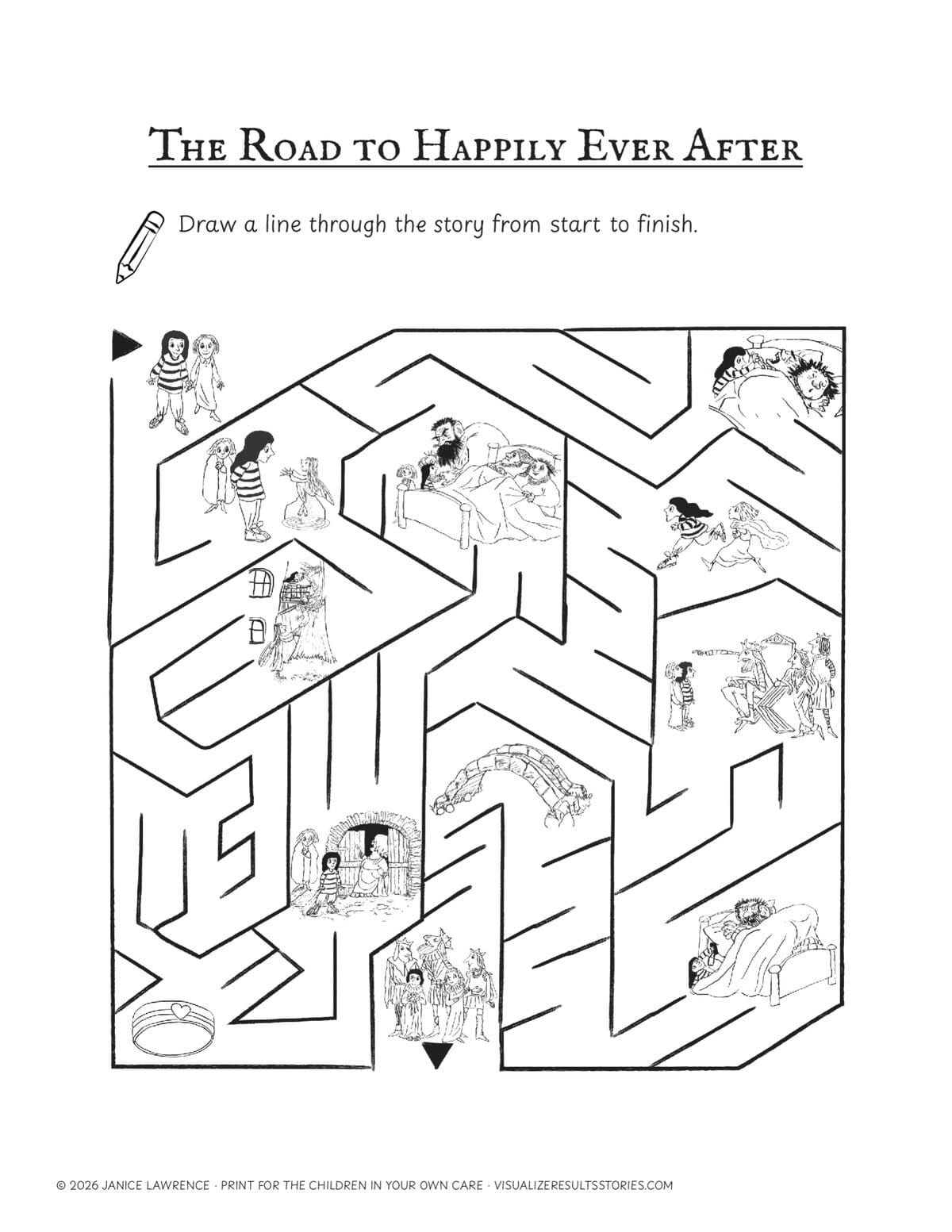
The Road to Happily Ever After is a maze illustrated with scenes from The Brave Girl Escapes the Giant, beginning with the sisters setting out on their adventure and ending with their weddings to the king’s sons. As your child follows the path, they practice looking ahead, predicting where a turn might lead, and changing direction when they encounter a dead end. The illustrations also invite children to remember the sisters’ adventures and recognize how their different abilities helped them along the way. This combines planning and flexible problem-solving with story comprehension, skills children use when reading, making decisions, and working with other people. Notice whether your child looks ahead before choosing a route and whether they can explain how the sisters helped one another in the scenes they recognize.
Does This Sound Like Your Child?
This activity may be especially helpful if your child:
- Has a brother, sister, or friend who is very different from them. The story gives them an opportunity to recognize how different abilities can work together.
- Believes there is only one way to be brave or capable. The sisters show that kindness, courage, and knowing when to act can all be valuable.
- Enjoys knowing where a story is going. The illustrated maze lets them revisit the adventure while practicing planning and prediction.
- Gets frustrated when a plan doesn’t work. A dead end offers an opportunity to reconsider a choice and try another route.
Try It This Week
- Notice what each person does well. When your child talks about a friend or sibling, ask, “What’s something they can do really well?” Then ask what your child enjoys doing.
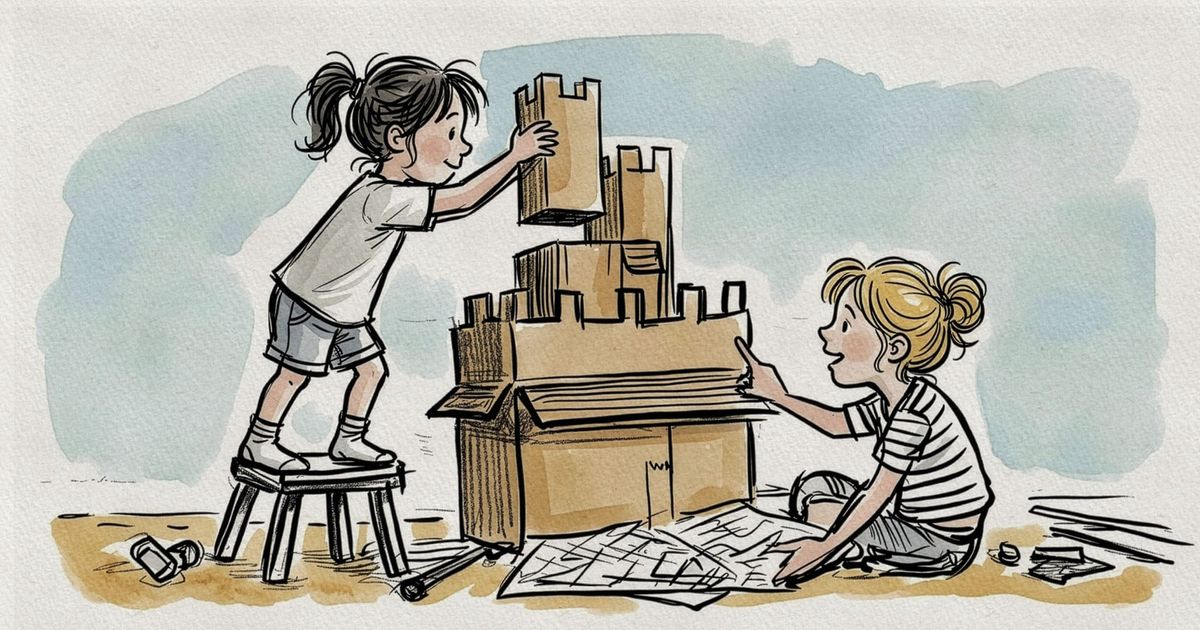
- Give children different jobs on a shared project. One might organize the materials while another builds or decorates. Let them see how the different contributions help finish the project.
- Tell the story from two points of view. After the read-along, ask your child to tell part of the adventure as the Brave Girl and another part as her sister. What did each one notice or do?