What Do You Say When Your Child Is Jealous?
Give the feeling something better to do.
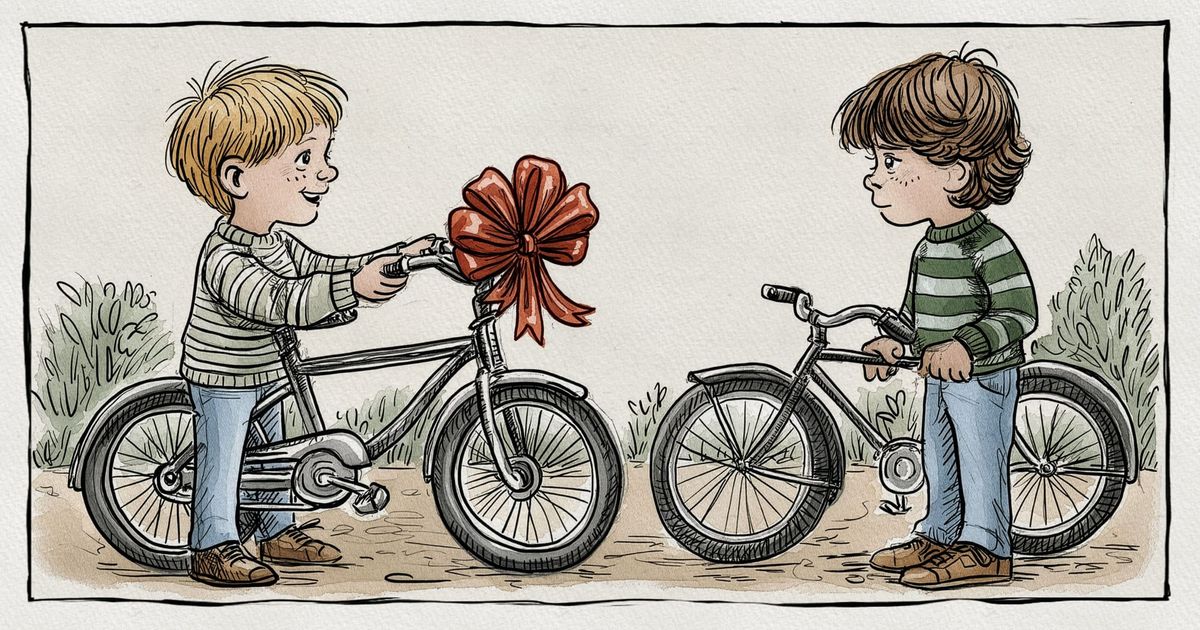
Your child’s friend gets the bike your child wanted. Or the new baby gets every visitor’s attention. Your child goes quiet, or mean, or both.
It’s easy to see jealousy as something we need to stamp out before it grows. But jealousy is a feeling, and most of us have experienced it. The question isn’t whether a child should feel jealous. It’s what they learn to do with the feeling.
That’s a distinction worth teaching, because children can’t always control how they feel, but they can learn to make choices about how they treat other people.
Two Jealous Women
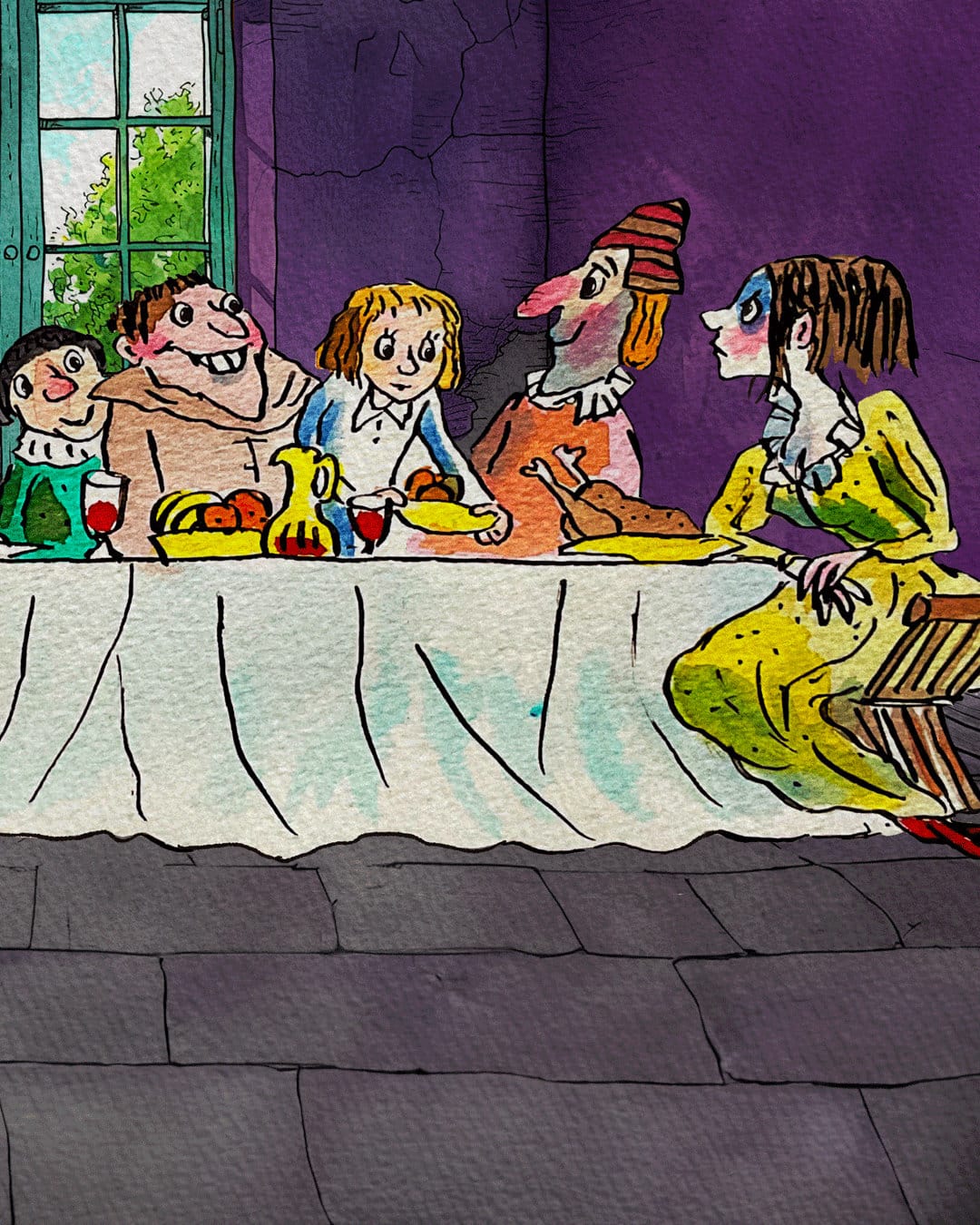
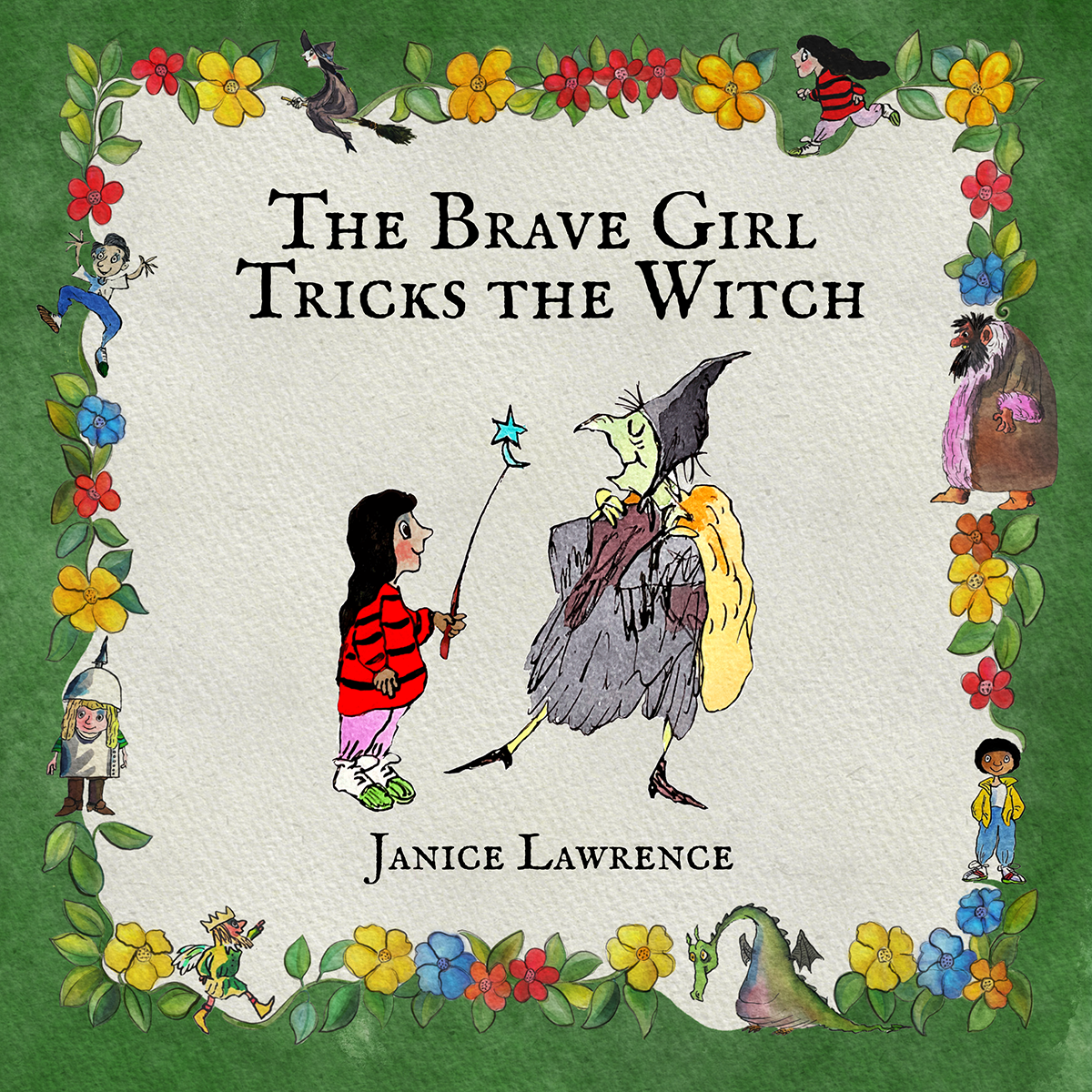
In The Brave Girl Tricks the Witch, two grown women are jealous of the Brave Girl’s beautiful sister. The stepmother resents the girl’s beauty so much that she makes her dress in rags, gives her only hard crusts to eat, and eventually cuts off her beautiful golden hair.
Later, when the sisters find work in a fine country house, the woman of the manor becomes jealous because her friends and neighbors admire the beautiful kitchen maid. Instead of being pleased to have such a hardworking girl in her kitchen, she asks a witch to spoil the girl’s beauty.
Both women see something good in the sister, and both decide to destroy it.
That’s what makes this story useful for talking about jealousy. The women aren’t wicked simply because they envy someone. Their cruelty comes from what they decide to do about it.
Children understand unfairness long before they can explain complicated feelings. They know what it feels like when someone else gets the biggest piece of cake, wins the game, or receives all the attention. The story gives them a way to look at jealousy from the outside and consider how a person might respond.
And it gives us a chance to talk about the difference between feeling something and acting on it.
Learning to Appreciate What Someone Else Has
When a child feels jealous, they are usually paying attention to something another person has that they want for themselves. It might be a possession, an ability, a friendship, or someone’s attention.
That attention can become so focused on what seems unfair that the child has trouble seeing anything else. Telling them not to be jealous rarely helps. They still want what they want, and now they may feel that they’re wrong for wanting it.
But there is something useful we can help them practice when nobody is upset: noticing and appreciating something good about another person.
A child who can say, “She’s really good at drawing,” is learning to recognize another person’s ability without having to compare it to their own. A child who notices that a brother is kind to the family dog is practicing seeing him as someone with good qualities, rather than simply as the person who gets more attention.
This doesn’t mean jealousy disappears. Children can admire someone and still wish they had what that person has. But learning to recognize another person’s strengths gives them another way to think about the situation.
Why This Matters for Relationships
Being able to appreciate another person is an important part of developing empathy and building friendships. Children begin to understand that other people have abilities, interests, and experiences that may be different from their own, and that those differences don’t have to become a competition.
It also gives them more choices about how to respond when they feel left out or disappointed. Instead of assuming that someone else’s success means they have failed, they can learn to recognize what the other person has accomplished. They may even become curious about how that person learned to do something.
A child who admires a friend’s drawing might ask to learn how to draw the same animal. A child who notices that a classmate is good at climbing might ask for help reaching the top of the playground equipment.
In both cases, noticing another person’s ability creates an opportunity for connection rather than resentment.
There is a language benefit, too. When children learn to describe what they appreciate about someone, they practice observing behavior, identifying qualities, and expressing their ideas in words. Saying “He’s nice” is a beginning. Saying “He helped me find my lost glove” shows that the child can connect an action to an understanding of another person.
Those are skills children use when talking about real people and when interpreting characters in stories. They learn to look at what someone does, consider what it means, and explain their thinking.
Today’s Free Activity: What I Like About You
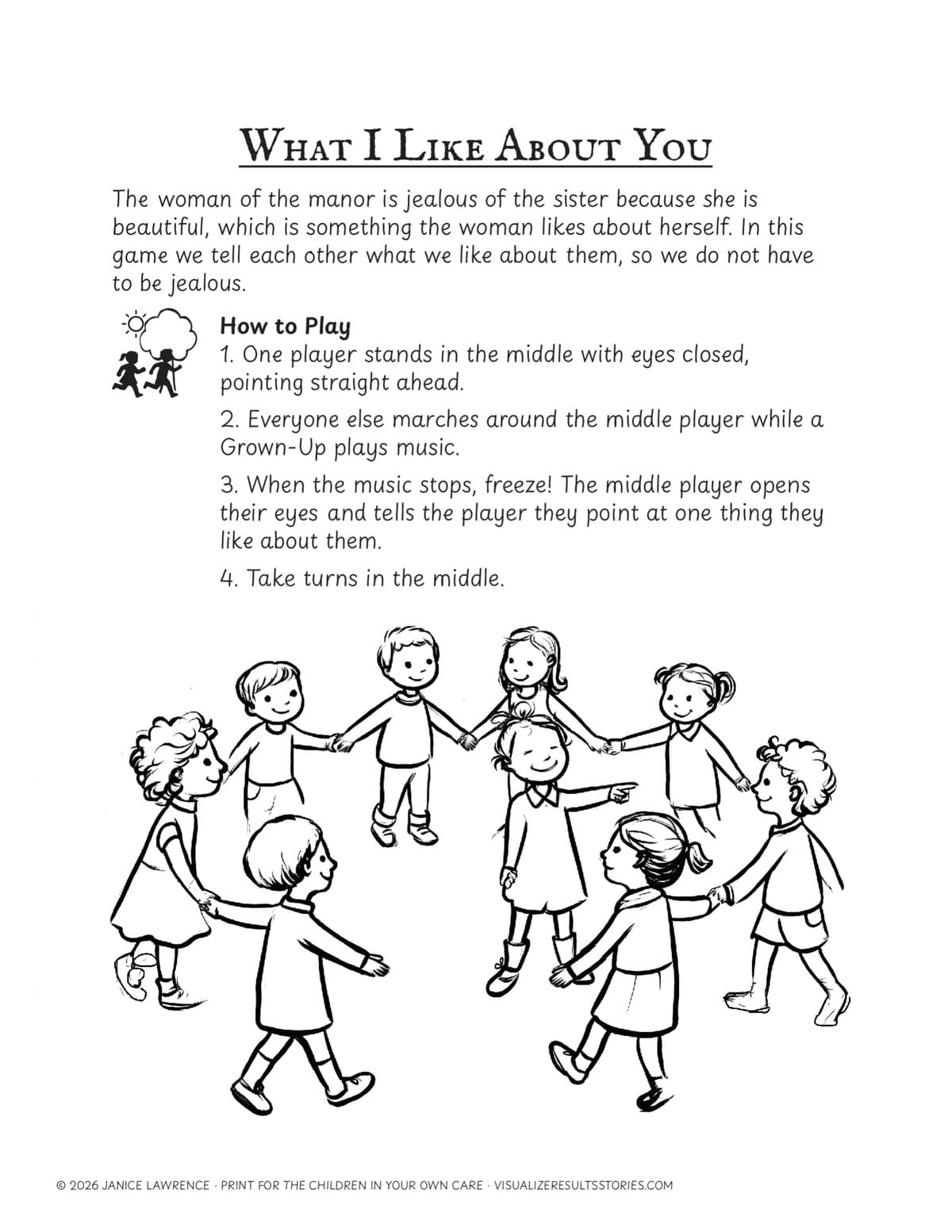
What I Like About You turns giving compliments into a music game. One player stands in the middle with their eyes closed while everyone else marches around them. When the music stops, the player opens their eyes and says something they like about the person they’re pointing toward. Because they don’t know who they’ll choose, children have to think about something good in whoever is standing in front of them. The game helps children practice noticing other people’s qualities and expressing appreciation in words. Those skills can make it easier to build friendships, recognize different strengths, and respond more thoughtfully when jealousy arises. Notice whether your child gives a general compliment or remembers something specific the person has done. Both are useful beginnings, and the more specific answers give you a glimpse of what your child notices about other people.
Does This Sound Like Your Child?
This activity may be especially helpful if your child:
- Gets jealous of a brother, sister, or friend. The game gives them an opportunity to practice appreciating someone else’s good qualities when nobody is upset.
- Has trouble expressing positive feelings. Saying one thing they like about someone gives them a manageable way to put those feelings into words.
- Finds praise uncomfortable. They can practice receiving kind words without having to make a speech or respond in a particular way.
- Learns better through movement and play. The music and marching make expressing appreciation part of a game rather than another conversation about how they should behave.
Try It This Week
- Notice something good. When your child talks about someone else, ask, “What’s something you like about them?” Choose a calm moment rather than asking in the middle of an argument.
- Make compliments specific. If your child says, “She’s nice,” ask what the person did that made them think so. This helps children connect their impressions of people to things they’ve actually observed.
- Let your child hear you appreciate someone. Say something you genuinely admire about a friend, neighbor, or family member without comparing them to anyone else.