How Do Children Learn That One Thing Leads to Another?
Seeing how events connect is a skill a child can learn.
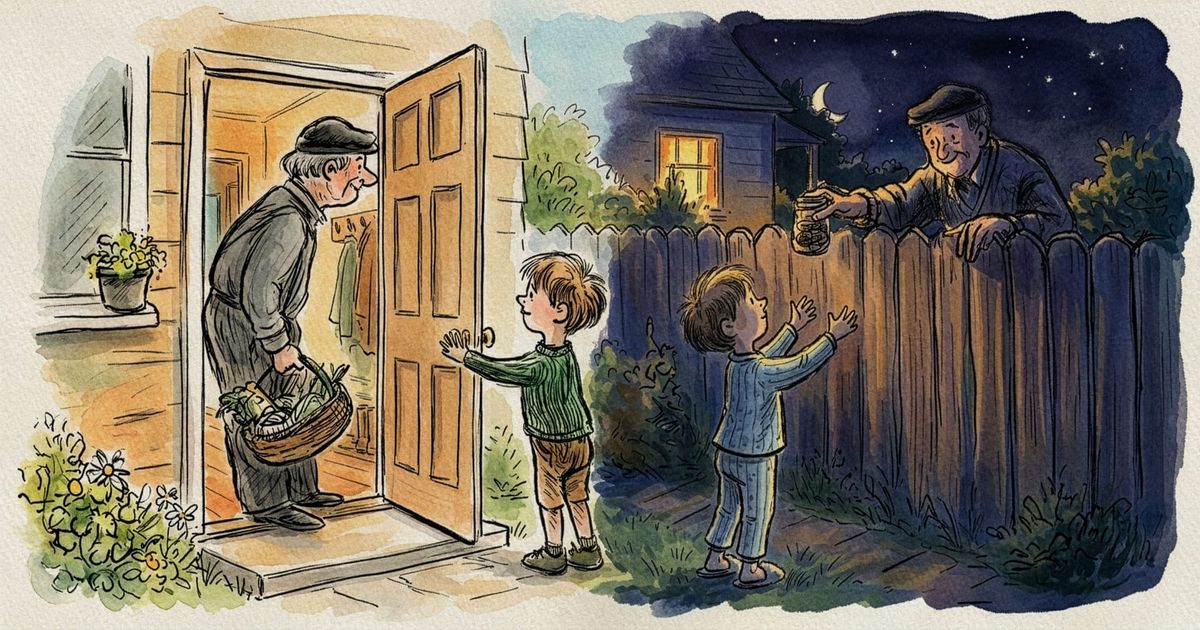
Your child shares a snack with a classmate on Tuesday. On Friday, the same classmate saves them a seat. Your child is delighted, but may not recognize that the two events could be connected.
Young children often remember what happened without understanding why it happened. They can tell you that someone shared a snack or that a friend saved them a seat, but recognizing a possible connection between those two moments requires another kind of thinking.
It’s called Connecting, and it’s an important part of understanding both stories and the world around us.
Connecting Is More Than Remembering What Happened
When children first learn to tell stories, they often describe a series of events. The girls set out on the open road. They met a fairy. They got a magic ring. Later, she escaped from a giant.
Remembering those events is useful, but understanding the story requires something more. Why did the fairy give her the ring? How did the ring help her escape? What happened earlier that made the ending possible?
These questions ask children to recognize cause and effect. They have to understand how one event influences another, even when the events happen many pages apart.
That’s harder than it sounds. Children must remember earlier information, recognize which details matter, and connect those details to what happens later. They also have to understand that events can be related without happening immediately after one another.
A story gives them a chance to see those relationships unfold. The pictures keep important events visible, and the characters’ actions provide reasons for what happens next.
Why Understanding Cause and Effect Matters
Recognizing how events are connected is essential to reading comprehension. A child may remember every character and every important event but still have difficulty explaining why the story ended the way it did.
When children learn to connect causes and consequences, they begin to understand how stories work. They can explain why a character made a decision, recognize how an earlier action created a problem, and understand why a particular solution worked.
This also helps them become better storytellers. Instead of simply saying what happened first, second, and third, they can begin explaining why one thing led to another. Their stories become easier for other people to understand because the events have relationships, not just an order.
But the benefits go beyond reading and storytelling.
Understanding cause and effect helps children anticipate what might happen when they make a choice. A child who remembers that a block tower fell when the bottom was too narrow may build a wider base next time. A child who recognizes that a friend was hurt by an unkind remark may choose different words in a similar situation.
They begin to use what they’ve learned from earlier experiences to make decisions about what to do next. That supports problem-solving, independence, and a growing understanding of how their behavior affects other people.
Of course, not every event has one simple cause. The classmate who saved a seat might have done it because of the shared snack, or simply because they wanted to sit together. Learning to look for connections also means learning to ask questions rather than assuming we already know the answer.
The Ring at the River
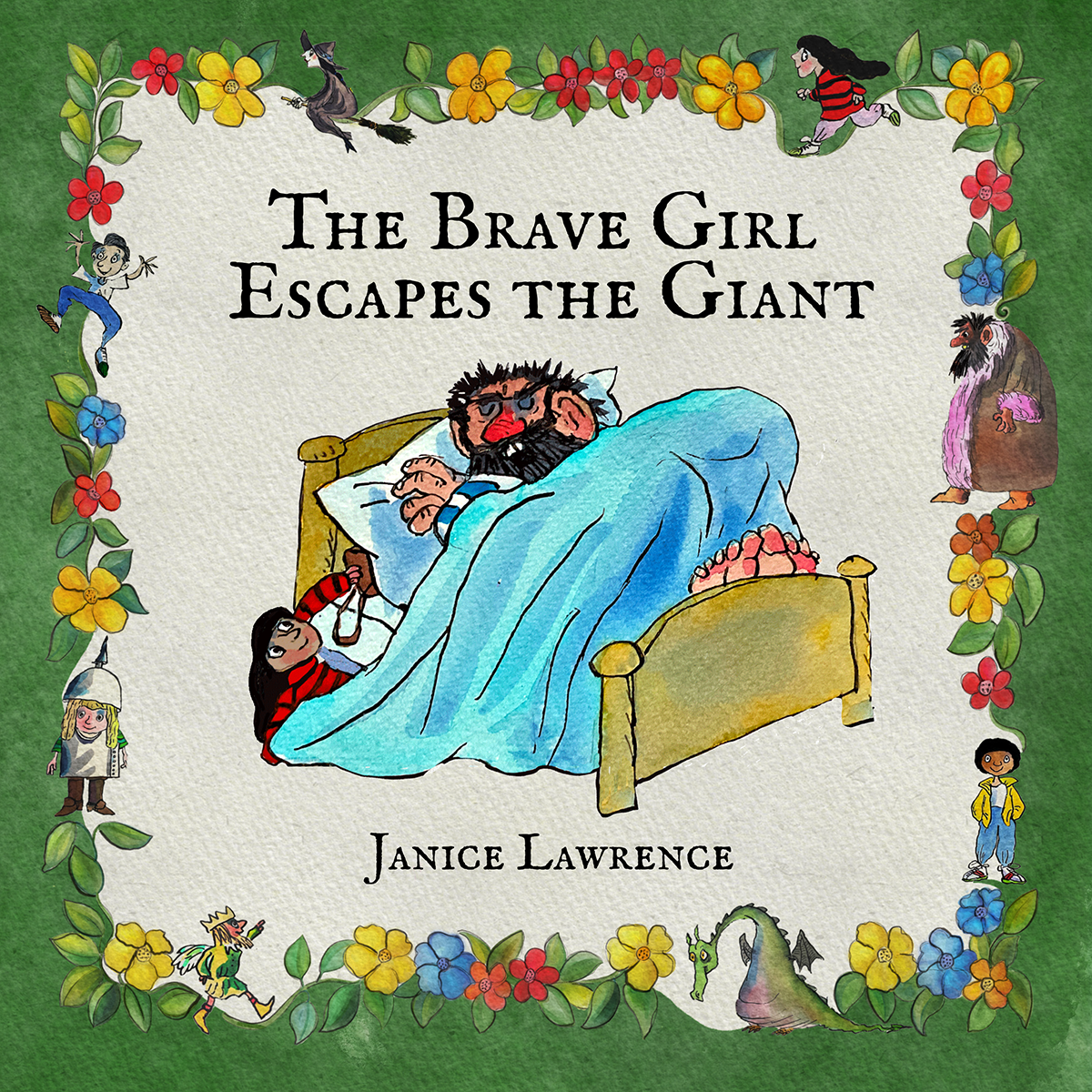
In The Brave Girl Escapes the Giant, the Brave Girl and her sister encounter the Queen of the Fairies, who is terribly unhappy because her daughters have been imprisoned by an evil sorcerer.
The sisters decide to help. Their kindness earns them a remarkable gift: a magic friendship ring that divides into two halves, one for each sister.
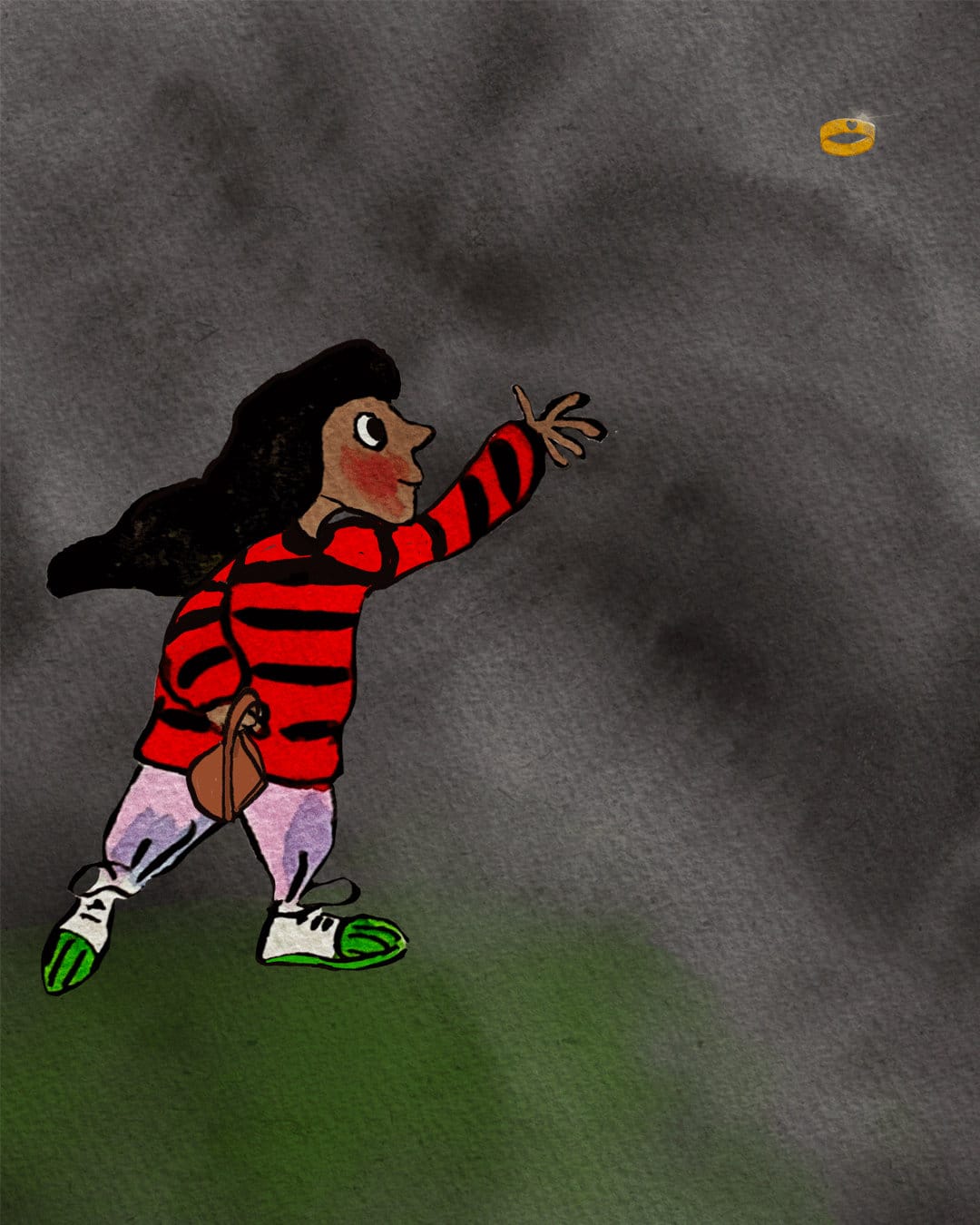
Much later, when the Brave Girl is trying to escape from a giant, the ring becomes important again. At a river, with the giant close behind her, she throws her half across the water. It becomes a narrow bridge, just wide enough for her to escape.
The bridge is the solution to an immediate problem, but the reason she has it goes back to something that happened much earlier.
That’s the connection worth exploring with your child. The Brave Girl’s escape isn’t simply the result of a lucky piece of magic. It becomes possible because she and her sister chose to help someone else.
The story also gives children an opportunity to think about relationships. The Brave Girl is brave and resourceful, but other people contribute to her success. Her sister helps. The Fairy Queen helps. And later, other characters provide things she needs along the way.
Children sometimes imagine that being brave or independent means doing everything themselves. This story offers a different possibility. Being capable includes recognizing when someone else can help, accepting that help, and remembering what other people have done for us.
That is a useful lesson for children who are learning to solve problems, build friendships, and become more independent. They can take responsibility for their own choices while recognizing that relationships give them resources they would not have on their own.
Today’s Free Activity: Who Helped the Brave Girl?
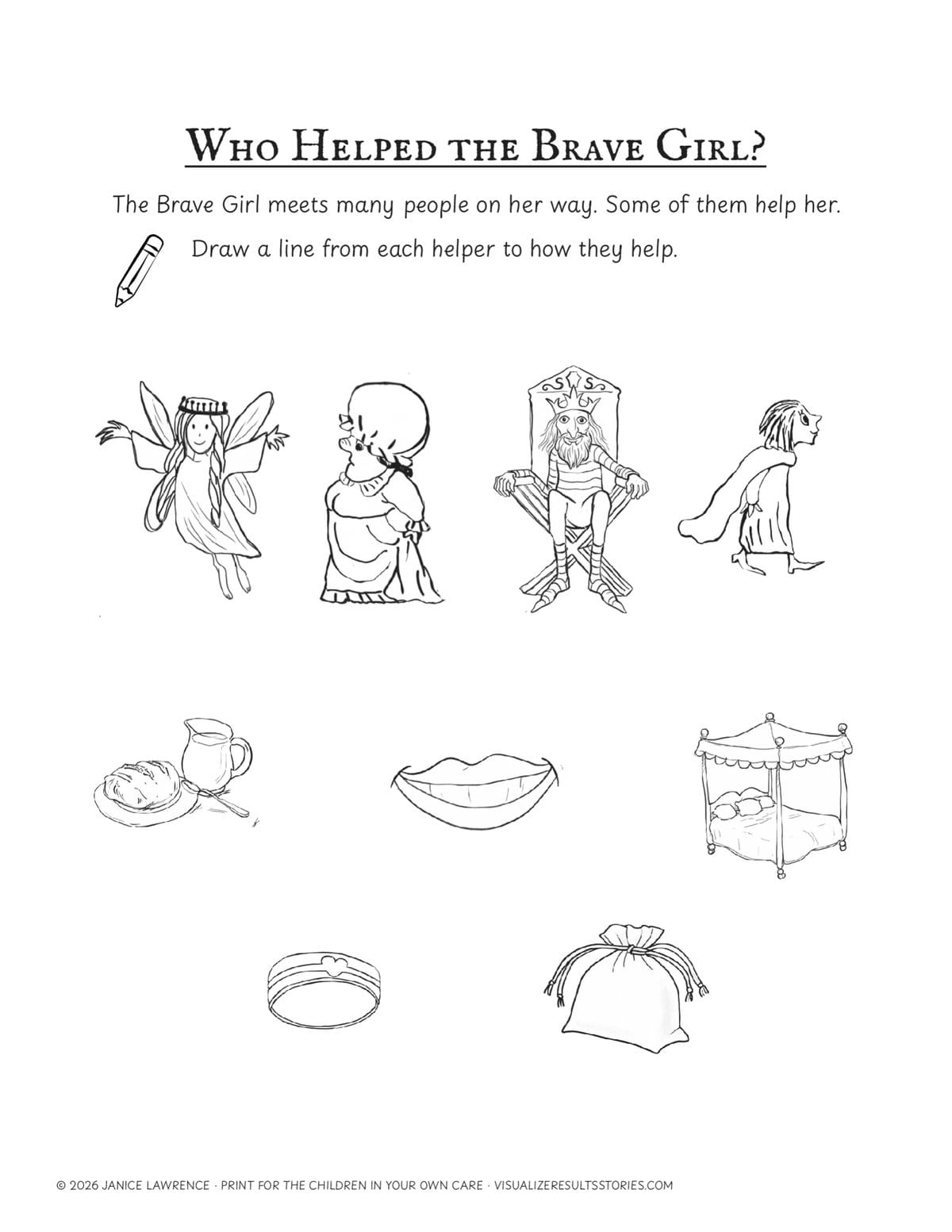
Who Helped the Brave Girl? asks your child to connect four characters from the story with pictures showing different kinds of help. Some are objects, such as the magic ring or bread and milk. Others are actions, such as the beautiful sister’s smile. As children draw lines between the helpers and what they provided, they practice remembering important events and recognizing how one person’s actions made something possible for someone else. This strengthens story comprehension and helps children understand that assistance can take many forms. It also encourages them to notice the contributions other people make in their own lives. Notice whether your child recognizes help that isn’t a physical object and whether they can explain how something given earlier becomes useful later. The magic ring is an especially good example.
Does This Sound Like Your Child?
This activity may be especially helpful if your child:
- Remembers what happened in a story but struggles to explain why. Matching the helpers to their actions makes relationships between events visible.
- Thinks being independent means doing everything alone. The Brave Girl demonstrates that accepting help and solving problems for yourself can go together.
- Notices objects more readily than people’s actions. The activity helps children recognize that a smile or an act of kindness can be just as important as something they can hold.
- Enjoys explaining how things work. Each match gives them an opportunity to explain what one character did and why it mattered.
Try It This Week
- Ask what happened because of that. When something happens in a story or during the day, ask, “What happened because of that?” Help your child look for a connection rather than someone to blame.
- Work backward from an ending. After reading a familiar story, ask, “What made that possible?” Then see how far back through the story your child can trace the events.
- Notice the help around you. At dinner, ask who helped someone that day and what their help made possible. Include the small things that are easy to overlook.