What If the Beautiful Thing in the Story Is the Dangerous One?
Sometimes the most interesting thing about a story is discovering that you were wrong.
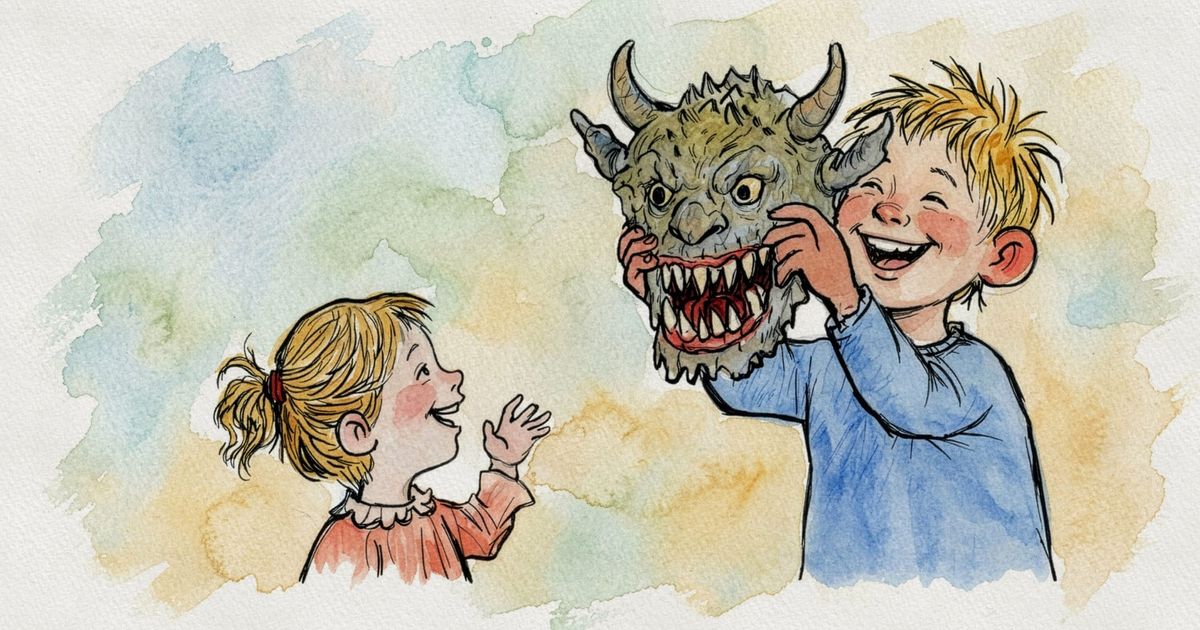
In most fairy tales, you can recognize the villain before anyone says a word. The witch is ugly, the prince is handsome, and the dragon usually eats people. It’s a convenient arrangement, particularly if you’re trying to figure out who to trust.
But what happens when the beautiful white horse turns into a dragon? And the frightening dragon turns out to be a prince?
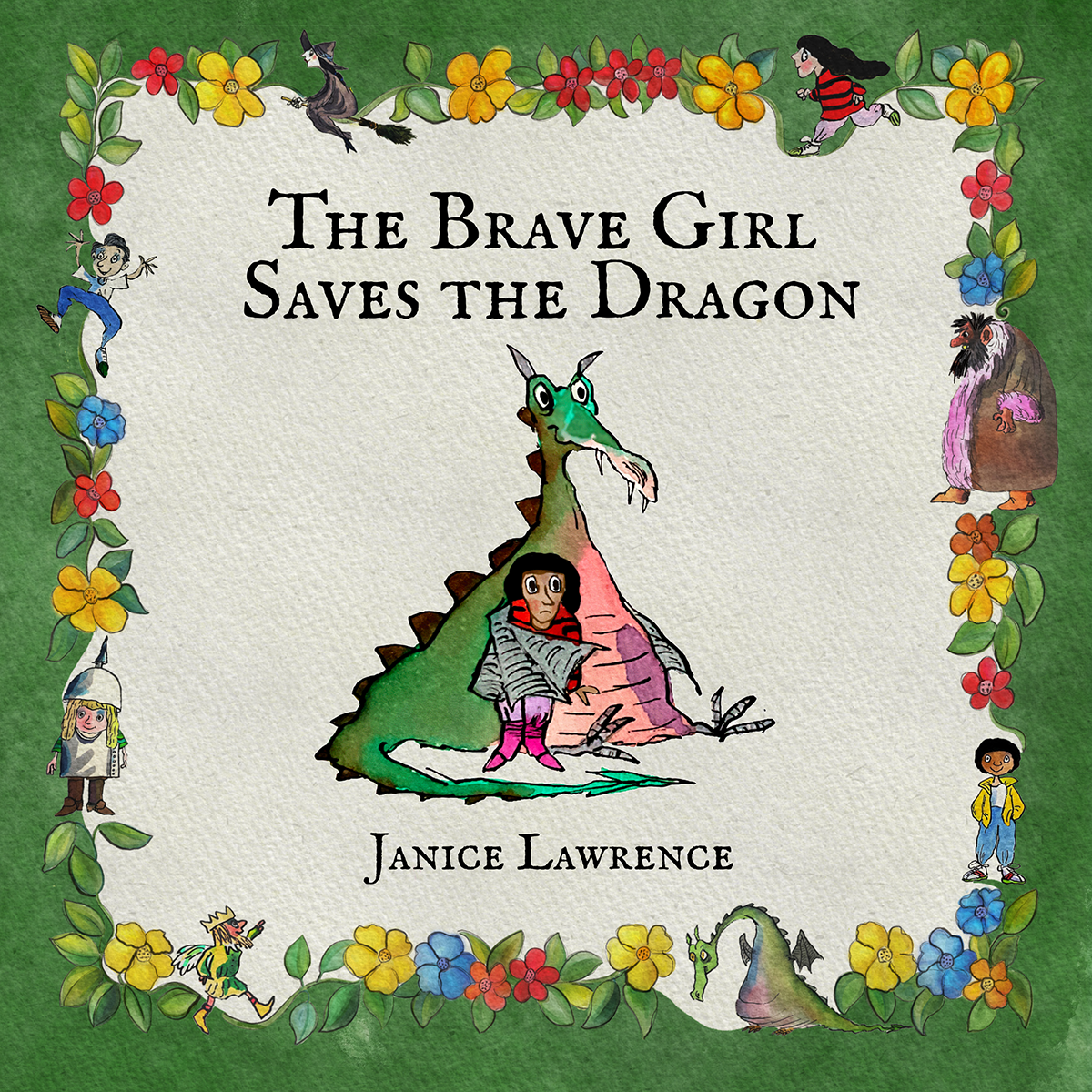
That’s what happens in The Brave Girl Saves the Dragon. The story turns our expectations upside down twice, giving children a chance to practice one of the most important skills involved in understanding what they read: predicting what might happen next.
What the Brave Girl’s Story Teaches Us
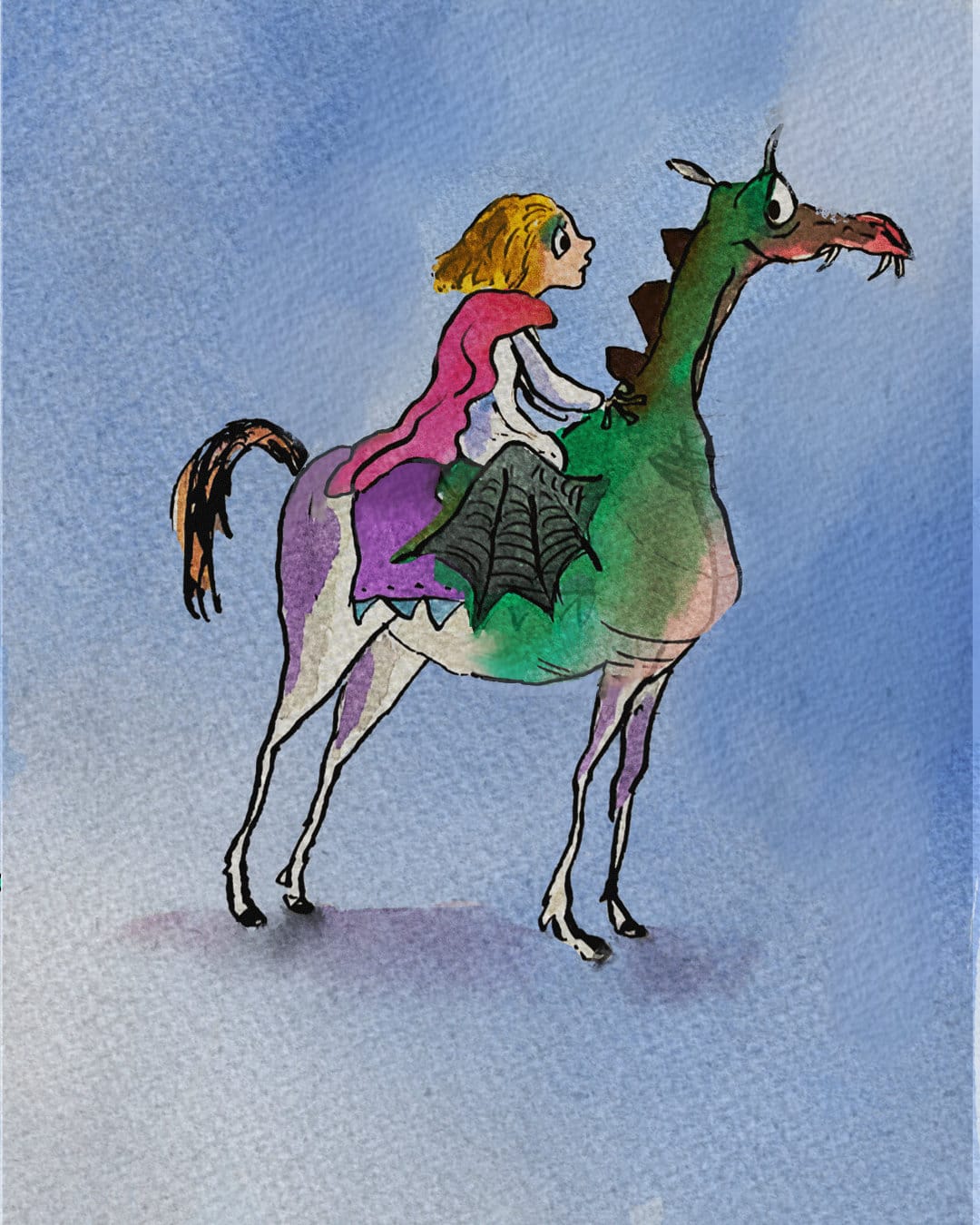
In The Brave Girl Saves the Dragon, the beautiful sister accepts a ride on a handsome admirer’s white horse. The moment she climbs on, the horse turns into a huge green dragon and carries her away.
It’s a wonderful surprise because the story has encouraged us to expect something quite different. A handsome stranger on a beautiful horse is supposed to be the beginning of a happy ending, not a kidnapping.
Later, the Brave Girl discovers that the dragon isn’t quite what he appears to be either. As she gets to know him, she begins to understand him differently. Eventually, she discovers that he is a prince under a spell.
The story asks us to reconsider our expectations twice. First, something beautiful turns out to be dangerous. Then something frightening turns out to be worthy of love.
For children, these surprises offer more than entertainment. They provide an opportunity to think about why we expect certain things to happen and what we do when those expectations turn out to be wrong.
Understanding a story means being able to revise our interpretation as new information becomes available. A child who can explain why they changed their mind is doing something more sophisticated than remembering the ending.
Four Things to Talk About
Watch the whole read-along together once, without stopping. Then choose one or two questions. The goal is a conversation, not a quiz.
“When did you first think the horse was not what it looked like?” Some children suspect the horse from the start. Others are surprised. Either answer tells you what your child was watching.
“When did the Brave Girl start to like the dragon?” The story says it happens little by little, while she plants gardens and reads him stories. There is no single page to point to, so your child has to think about the whole middle of the story.
“Why do you think the dragon cried so hard?” The story gives a clue. She says she is sorry she went away, and then he cries harder. Your child has to work out what that means.
“Who was the most dangerous one in the story?” The dragon? The handsome man? The bullies at the very beginning? Any answer with a reason is a good one.
Listen for the clues your child uses, the connections they make, and the reasons behind their ideas. Their answers will tell you something about how they are learning to think.
Predicting Is More Than Guessing
When children predict what will happen in a story, they aren’t simply making things up. They’re using what they have already seen or learned to work out what might happen next.
A child who sees dark clouds gathering may predict that it will rain. A child who notices someone hiding behind a door may predict that a surprise is coming. They combine what they observe with what they already know about how the world works.
Reading involves the same kind of thinking. Good readers don’t simply wait for the next sentence to tell them what happens. They use clues from the words and illustrations, remember what happened earlier, and begin to imagine what might come next.
Sometimes they’re right. Sometimes the story surprises them. Both experiences are valuable because children have an opportunity to compare what they expected with what actually happened.
The important question isn’t whether their prediction was correct. It’s what made them think it would happen.
When you ask, “Why do you think that?” you begin to discover which clues your child noticed and how they connected those clues to reach a conclusion. That tells you much more about their thinking than a right or wrong answer.
Why Predicting Matters
Learning to predict gives children something more useful than the ability to guess the ending of a story. It helps them use what they know to make decisions about what to do next. They begin to recognize patterns, anticipate consequences, and prepare for situations before they happen. When their predictions turn out to be wrong, they have an opportunity to figure out what they missed and try a different approach.
That matters in everyday life. A child who can anticipate that a friend might be upset, that a game isn’t going to work the way they planned, or that a familiar routine is about to change has more choices about how to respond. And having choices gives children a greater sense of confidence and control.
Reading gives children a safe place to practice all of this. They can make predictions, discover surprises, change their minds, and try again without any real-world consequences.
Today’s Free Activity: The Brave Girl’s Road
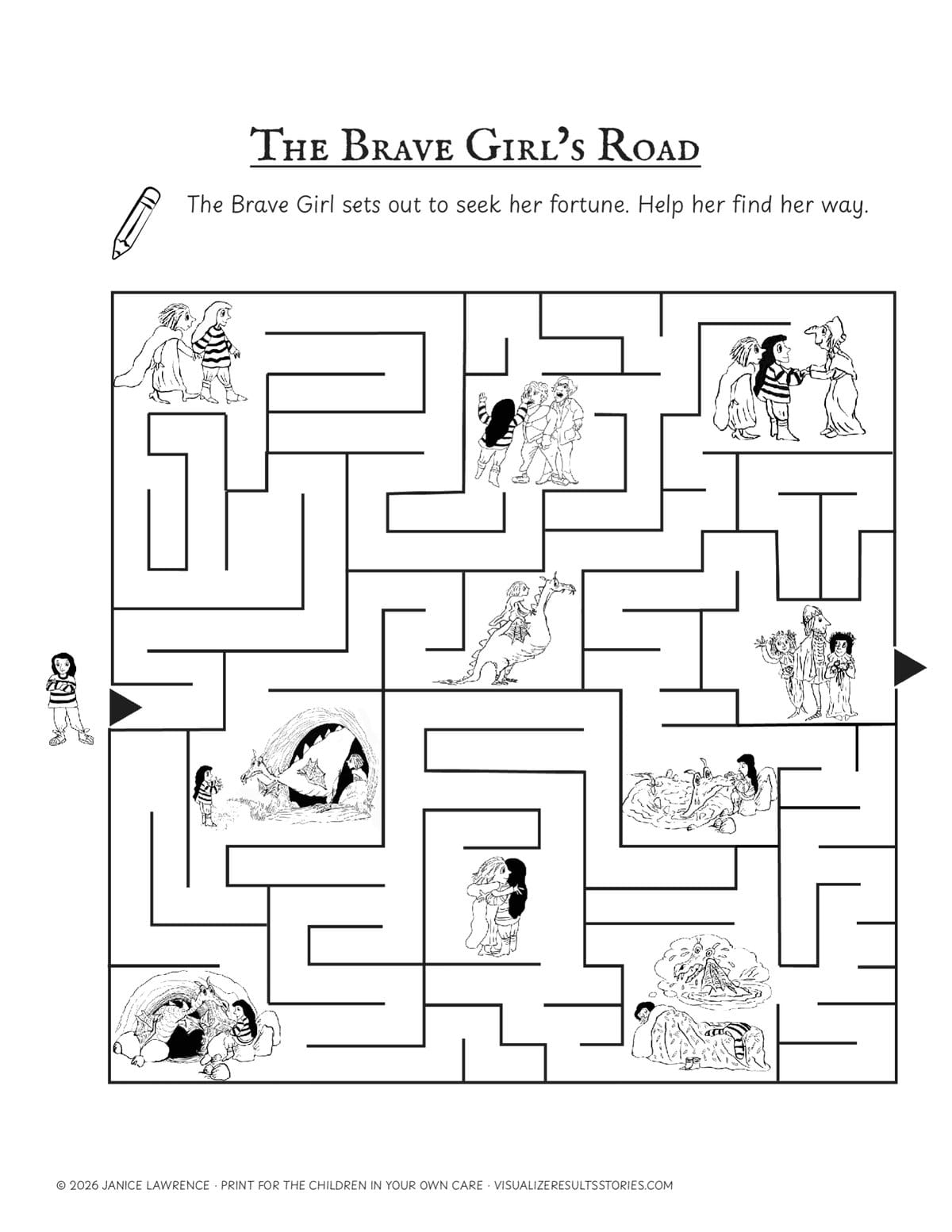
The Brave Girl’s Road is a maze illustrated with ten scenes from the story. As your child finds a path from beginning to end, they practice looking ahead, anticipating where a path might lead, and changing direction when it doesn’t work. This is the same kind of thinking children use when predicting what will happen next in a story. It also helps them plan, make decisions, and adjust when something unexpected happens. Notice whether your child looks ahead before choosing a path, what they do when they reach a dead end, and whether they use what they learned to make a different choice.
Does This Sound Like Your Child?
This activity may be especially helpful if your child:
- Understands more of a story than they can retell. The pictures hold the plot on the page, giving them something to point to while they explain what happened.
- Rushes ahead. A dead end gives them a reason to look before choosing the next turn.
- Gets upset by wrong answers. A path that stops costs nothing, and there is always another turn to try.
- Likes to point out surprises. The pictures give them a place to show where the story changed direction.
Try It This Week
- Make a prediction. Before turning a page in a picture book, ask, “What do you think will happen next?” Then ask what made your child think so.
- Look for surprises. When something unexpected happens in a story, ask, “Did you see that coming?” Talk about what changed and whether there were clues you overlooked.
- Make mistakes useful. When a plan doesn’t work, ask, “What did we learn?” Then help your child use that information to choose what to try next.