What Is Your Child Trying to Tell You?
How reading aloud together — paying attention to every sound, gesture, and giggle — opens the conversation your child wants to have with you.
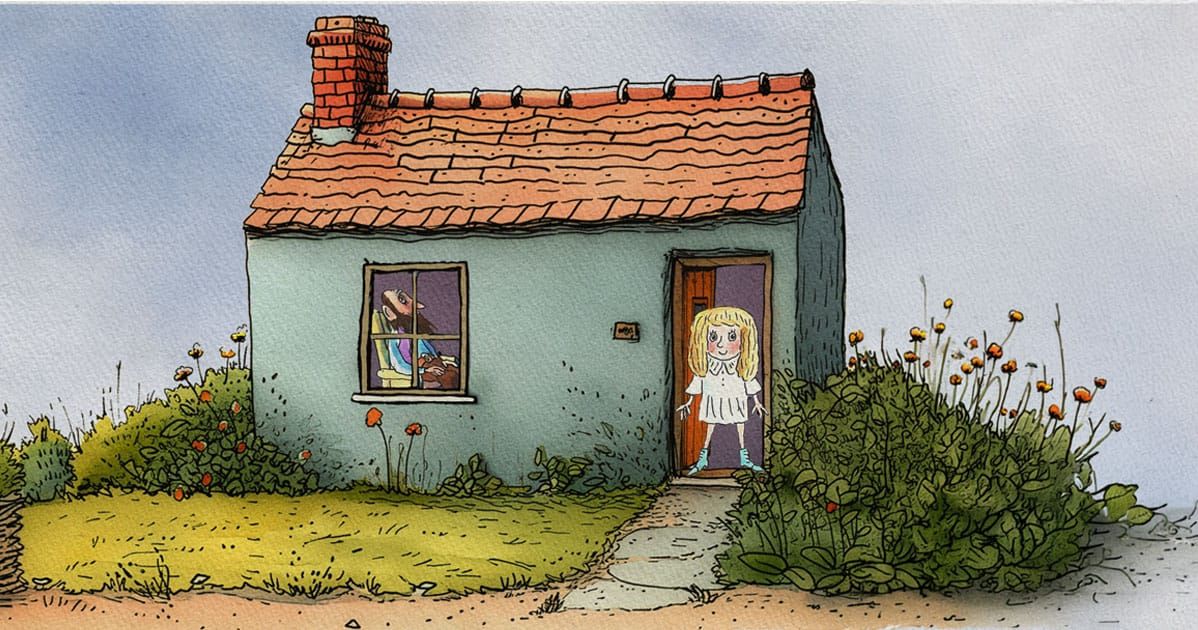
Every parent expects their child to talk. It just happens — naturally, without teaching. When it doesn't, the frustration is enormous. For the child, who understands everything but can't get it out. For the parent, who watches and waits and wonders what they're doing wrong.
Reading aloud together is a great place to start breaking that silence. Not by drilling words — by making the story come alive. Pictures carry meaning before language does. Make it physical, make it loud, make it fun — and watch what comes back.
Read it together — or watch it together
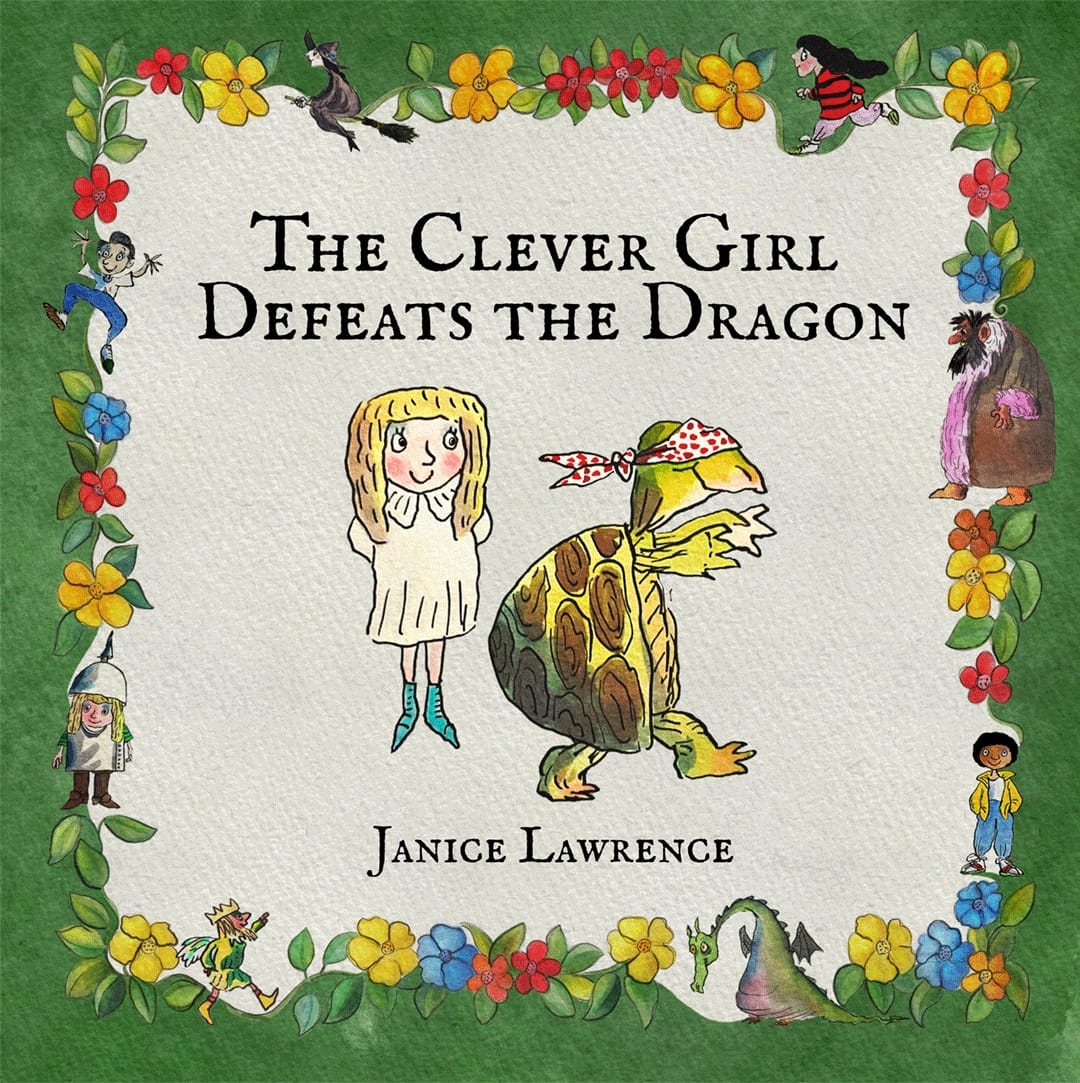
"The Clever Girl Defeats the Dragon" is the story of a quick-witted girl who uses brains instead of brawn to outwit a shape-shifting dragon and rescue her father. It's designed for children who understand the world through pictures — and it's best experienced out loud.
The Clever Girl Defeats the Dragon — read-along video
"Love the story? Get your own copy for your bookshelf.
Make it loud!
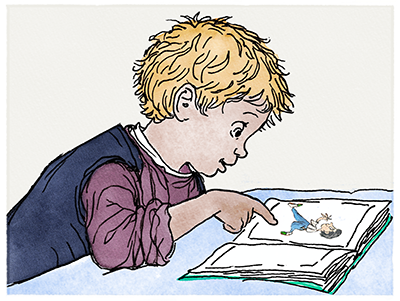
Pictures carry meaning before language does
Good readers are performers. They growl when the wolf appears and whisper when danger is close. They make the story feel real. And that's not just fun. It's the point.
When you read this book aloud, let the transformations be physical. Don't just read the words. Become the animals.
When the dragon becomes a lion — throw your arms up and ROAR.
When he becomes an elephant — hold out your arm like a trunk and PAWOOOO.
When he becomes a spider — wiggle your fingers and skitter them across the nearest surface.
You go first. Every time. Your child's job is to watch — and when something comes back, celebrate it. A giggle counts. A grunt counts. Throwing their arms up counts. You are not waiting for words. You are waiting for a connection.
Pause before each new page. Look at the picture before you read the words. Watch your child's eyes, not the text. When something passes between you — stay there for a moment. That's the conversation.
Take it further: The Shape-Shifter Showdown
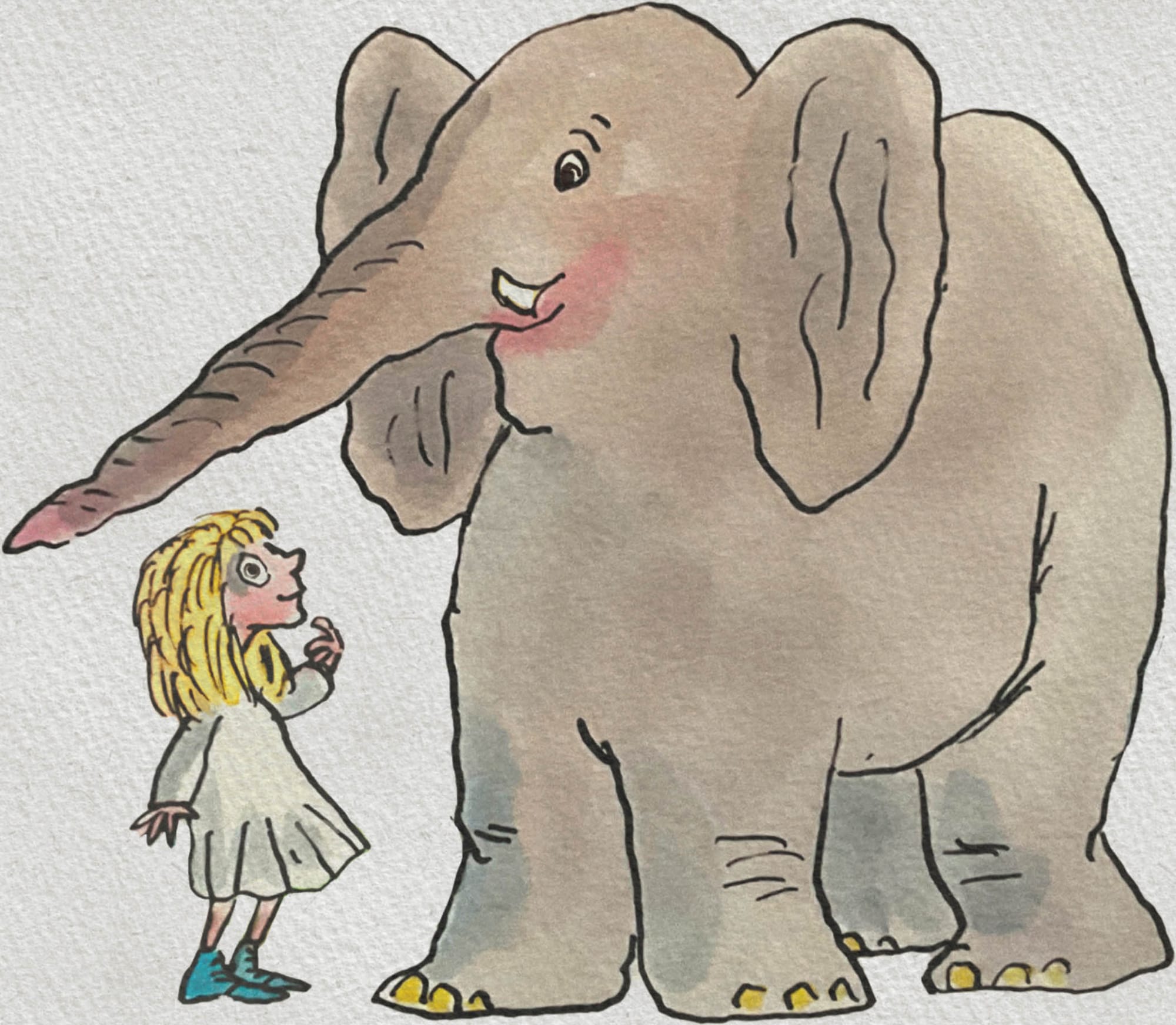
After you've read the book, take the Clever Girl's game into the mirror. Stand side by side with your child and work through the transformation sequence together — lion, elephant, spider — building to the moment the dragon is defeated.
It's sillier than it sounds. And for children who struggle with expressive language, silly and physical is exactly where breakthroughs happen.
Here's why it works
Imitation comes before words. Nonverbal children communicate through gesture, sound, and movement long before speech arrives. A roar, a stomp, a funny face — that's language too. Celebrate every one. Validating these moments is the bridge that eventually leads to confident speech and to reading.
The mirror removes the hardest part. Side by side in a mirror, there's no eye contact pressure, no performance anxiety. Just two people making faces at their reflections. That safe distance is often all a nonverbal child needs to start joining in.
The sequence is the lesson. Dragon → lion → elephant → spider — in order — asks your child to hold a story in their mind while shifting between physical and emotional states. That's not play. That's the cognitive foundation of reading comprehension.
Stop 'n' Think
Listen to what your child is already telling you — in roars, stomps, pointed fingers, and carefully arranged toys. That's language too.
Are you ready to hear it?